
Key Considerations in Freight Routing: What You Need to Know for Effective Logistics Management
Effective freight routing is a critical component of logistics management. By optimizing routes, businesses can reduce costs, improve delivery times, and enhance customer satisfaction. In our previous post, we discussed different types of freight routing and how to choose the right method for your business. This post builds on that foundation by delving into key considerations for effective freight routing, separating them into operational and strategic insights to help you improve your logistics operations.
Operational Considerations
Nature of Goods
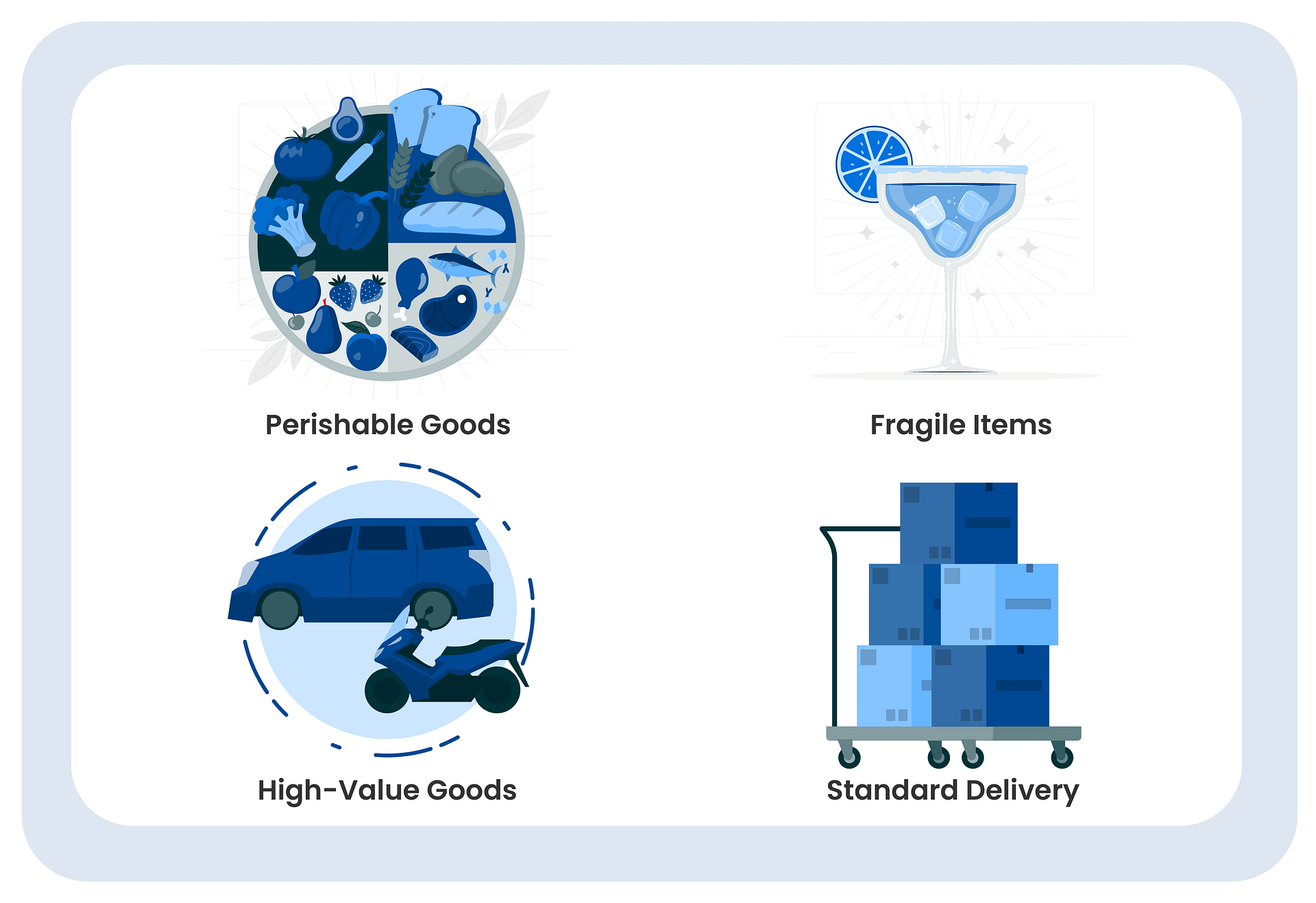
The type of goods you ship affects your routing needs:
- Perishable Goods: Require fast and direct routes to minimize spoilage.
- Fragile Items: Need careful handling and may benefit from routes with fewer stops.
- High-Value Goods: May require secure routes with minimal risk of theft or loss.
- Standard Delivery: Prioritizes cost-effectiveness and ecological sustainability, suitable for non-urgent, non-fragile goods.
Size of Shipments

The size of a shipment also impacts the appropriate routing strategy:
- Large-Sized Shipments: Point-to-point routing is most appropriate to handle large shipments efficiently, minimizing handling and reducing the risk of damage.
- Small-Sized Shipments: Hub-and-spoke routing is ideal for small shipments, allowing for consolidation and more cost-effective transport.
Number of Shipments
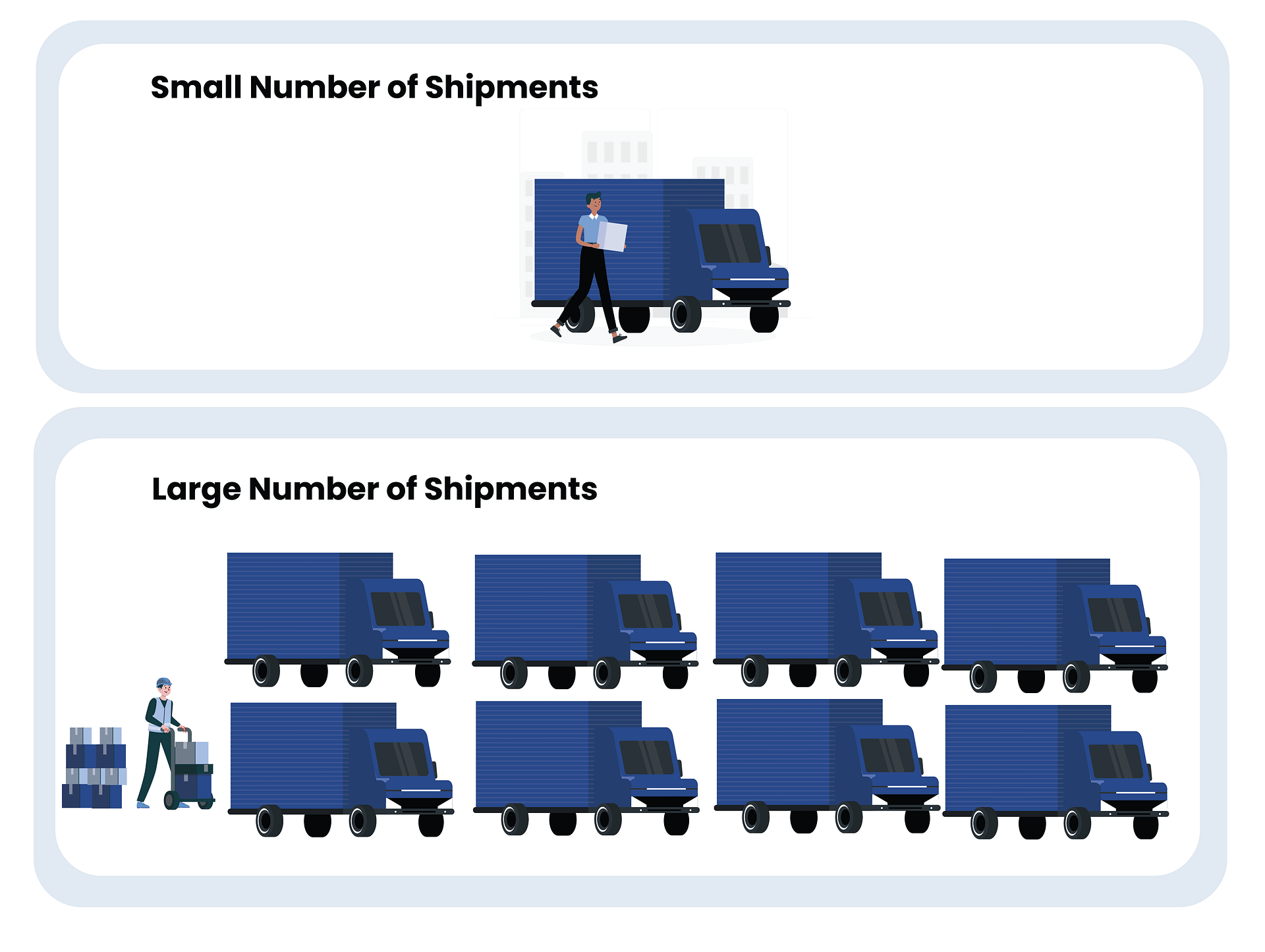
The number of shipments can influence the best routing strategy:
- Large Number of Shipments: May benefit from both hub-and-spoke routing to consolidate shipments and maximize vehicle capacity, as well as dynamic routing to adapt to changing conditions.
- Small Number of Shipments: Point-to-point routing might be more cost-effective due to fewer consolidation opportunities.
Frequency of Shipments
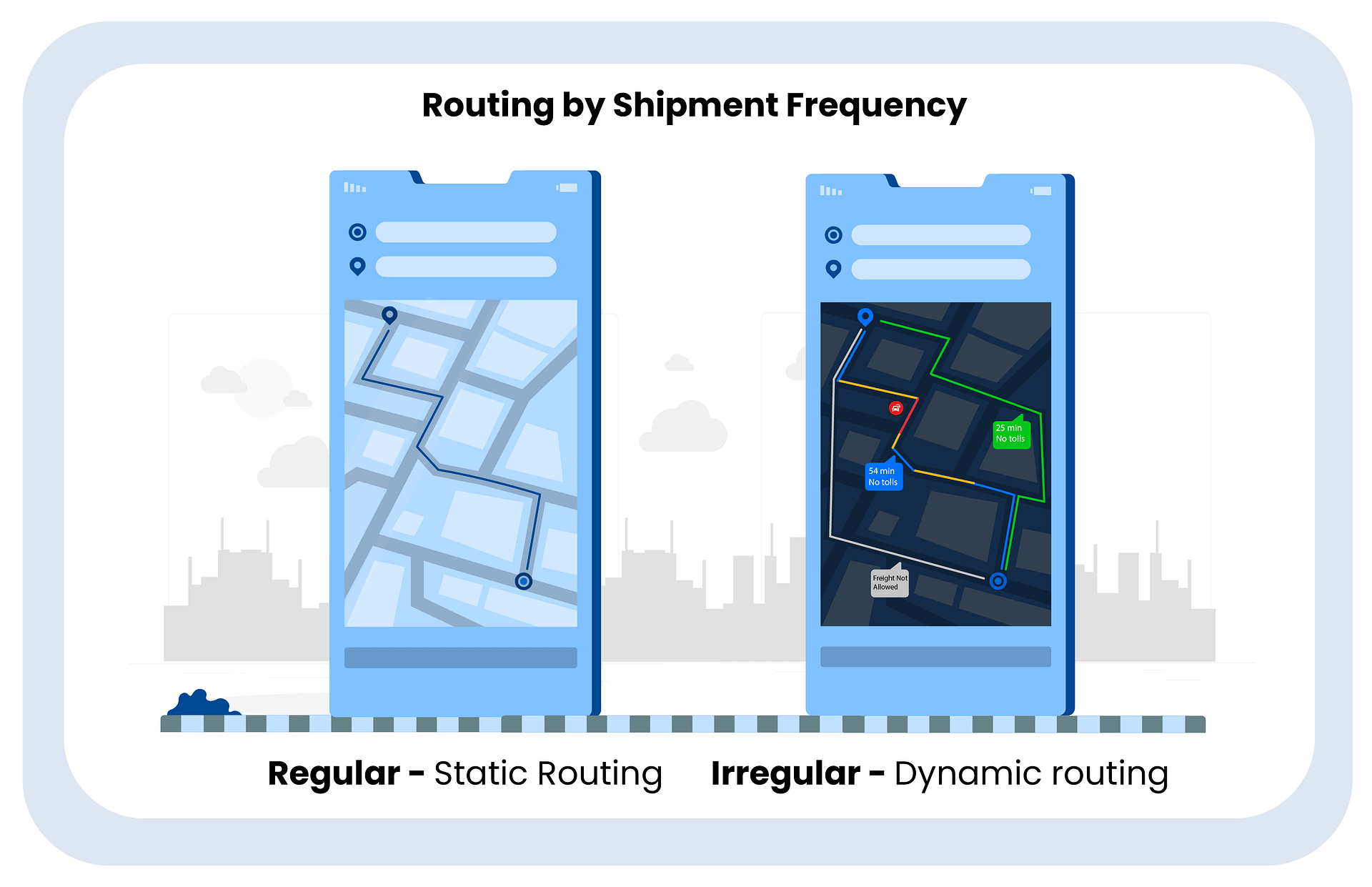
The frequency of shipments also impacts routing decisions:
- Regular Shipment Frequency: Static routing can simplify planning for regular, predictable routes.
- Irregular Shipment Frequency: Dynamic routing can adapt to varying shipment schedules and changing conditions.
Geographic Scope
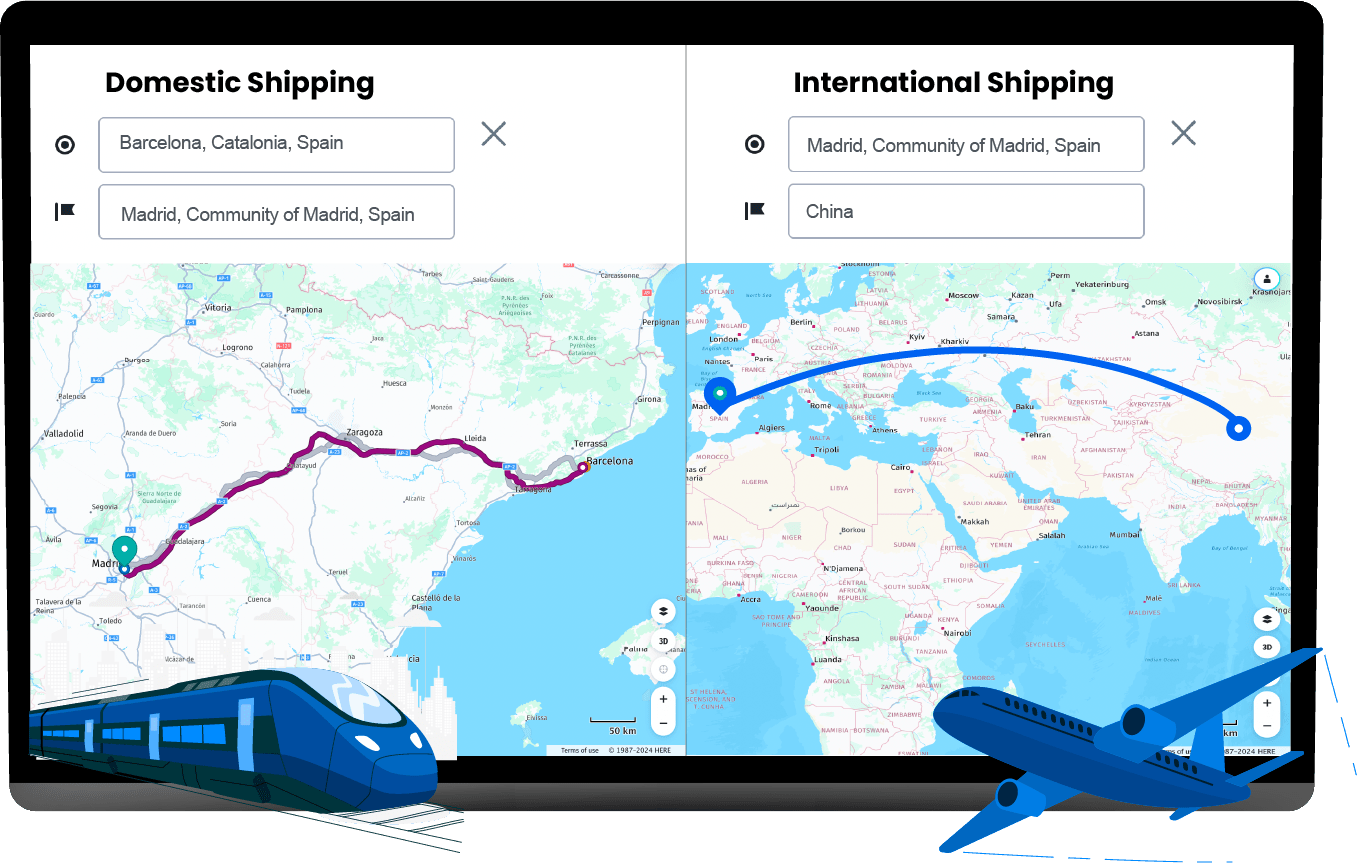
The geographic scope of your shipments determines the routing approach:
- Domestic Shipping: Focus on road and rail routes with dynamic or static routing based on shipment needs.
- International Shipping: Often requires intermodal routing to integrate various transportation modes like sea, air, and land.
Delivery Speed and Reliability
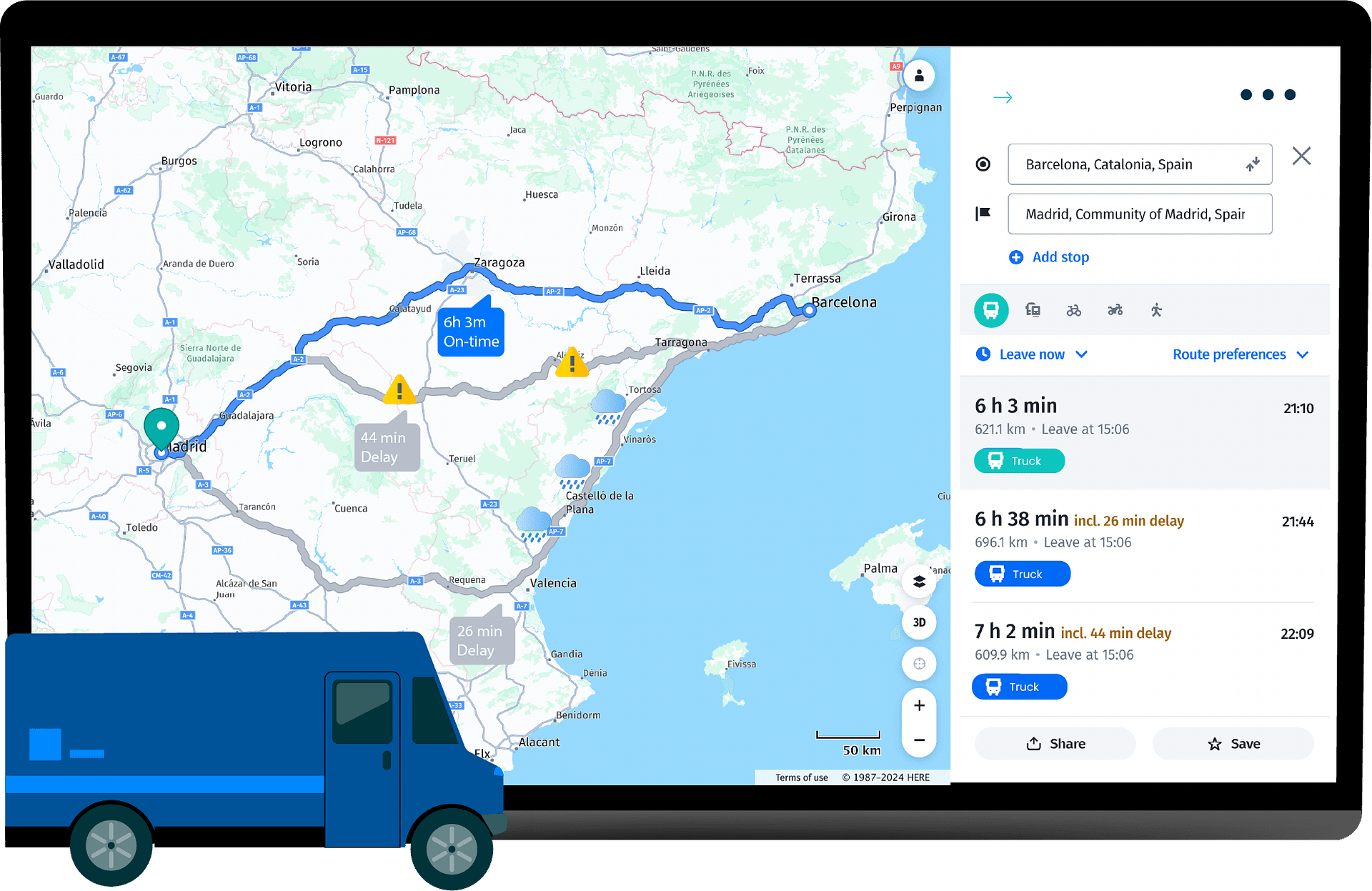
Delivery speed and reliability are crucial for customer satisfaction:
- High Priority: Dynamic routing can adjust in real-time to ensure the fastest possible delivery.
- Standard Priority: Static routing may suffice for predictable and less time-sensitive shipments.
- Risk Mitigation: Consider routes that avoid high-risk areas prone to delays, theft, or adverse weather conditions.
- Backup Plans: Have contingency routes in place for unforeseen disruptions.
Method of Collaboration and Communication

Method of Collaboration and Communication
Choosing the right method of collaboration and communication is essential for efficient freight routing:
- Clear Communication: Maintain clear communication with all stakeholders, including carriers, shippers, and customers.
- Real-Time Updates: Share real-time updates on shipment status and any potential delays.
Strategic Considerations
Investment in Advanced Systems
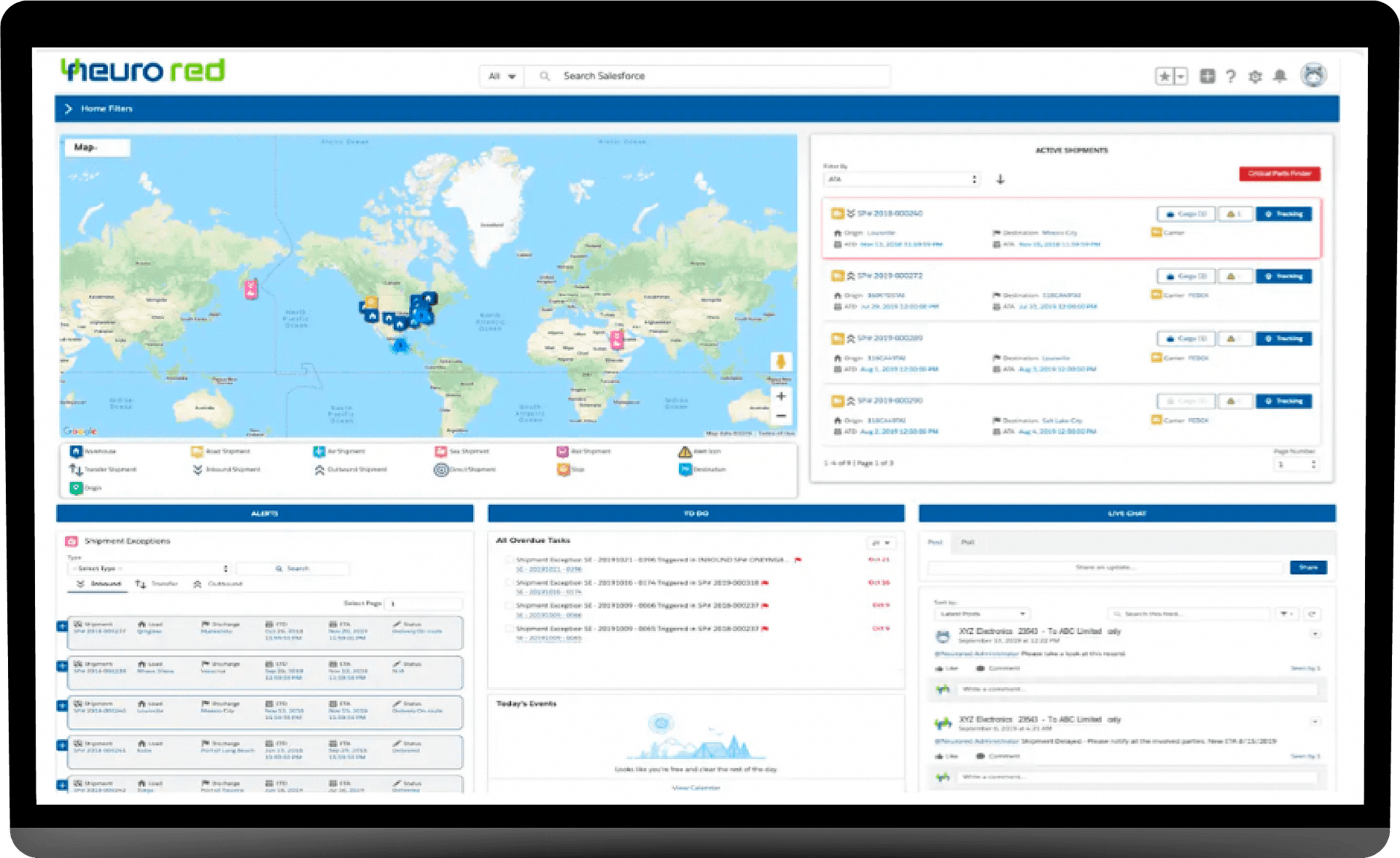
Investing in advanced routing systems can provide significant benefits compared to standard routing products:
- Comprehensive Coverage: Advanced systems like Neurored TMS & SCM Software offer full coverage across all transportation modes (Ocean, Air, Land, and Rail), unlike basic systems that may only handle one or two modes.
- Seamless Integration: Neurored integrates seamlessly with existing ERP, WMS, and CRM systems, providing a unified control tower that enhances visibility and management. In contrast, standard products often lack this level of integration, leading to siloed operations and inefficiencies.
- Customizable Workflows: Neurored offers fully customizable workflows that adapt to your unique processes and growing business requirements, while standard systems may have rigid, one-size-fits-all workflows.
Technological Integration
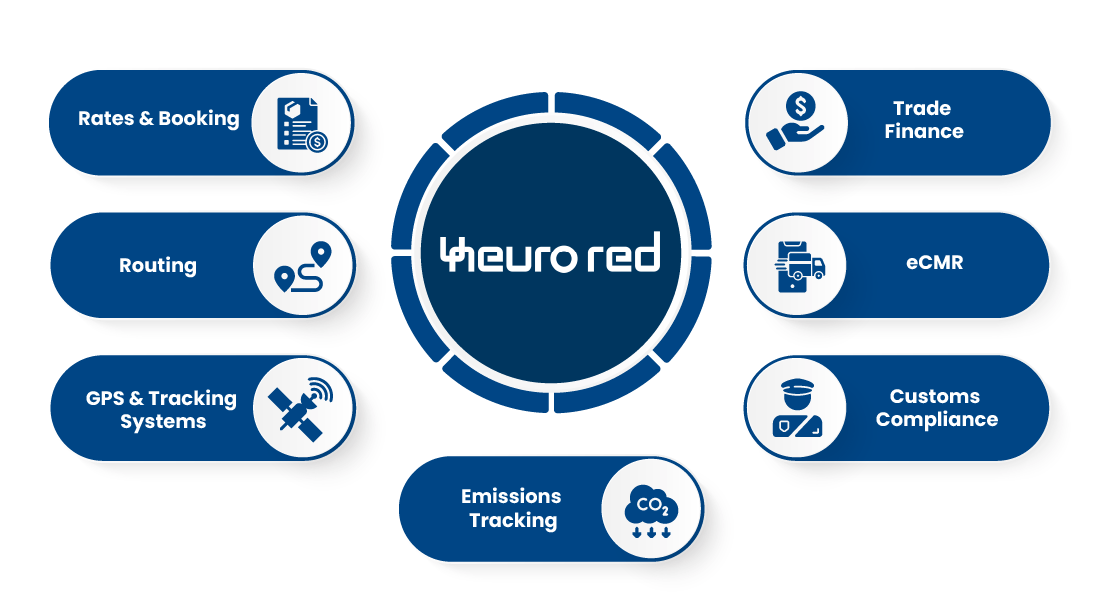
Integrating relevant technology into your routing processes is crucial:
- Rates & Booking: Access to real-time rates and booking information to optimize costs and manage schedules efficiently.
- Routing: Advanced routing capabilities to optimize delivery paths based on real-time data and conditions.
- GPS and Tracking Systems: Enable real-time monitoring of shipments for better visibility and control, including direct connections with satellites for precise tracking.
- Emissions Tracking: Monitor and manage emissions to ensure compliance with environmental regulations.
- Customs Compliance: Ensure seamless customs compliance to avoid delays and penalties.
- eCMR (Electronic Consignment Note): Digitalize consignment notes for improved accuracy and efficiency.
- Trade Finance: Integration with trade finance systems to streamline financial processes and improve cash flow.
Neurored TMS & SCM has dedicated technology partners in each of these areas.
Long-Term Cost Savings
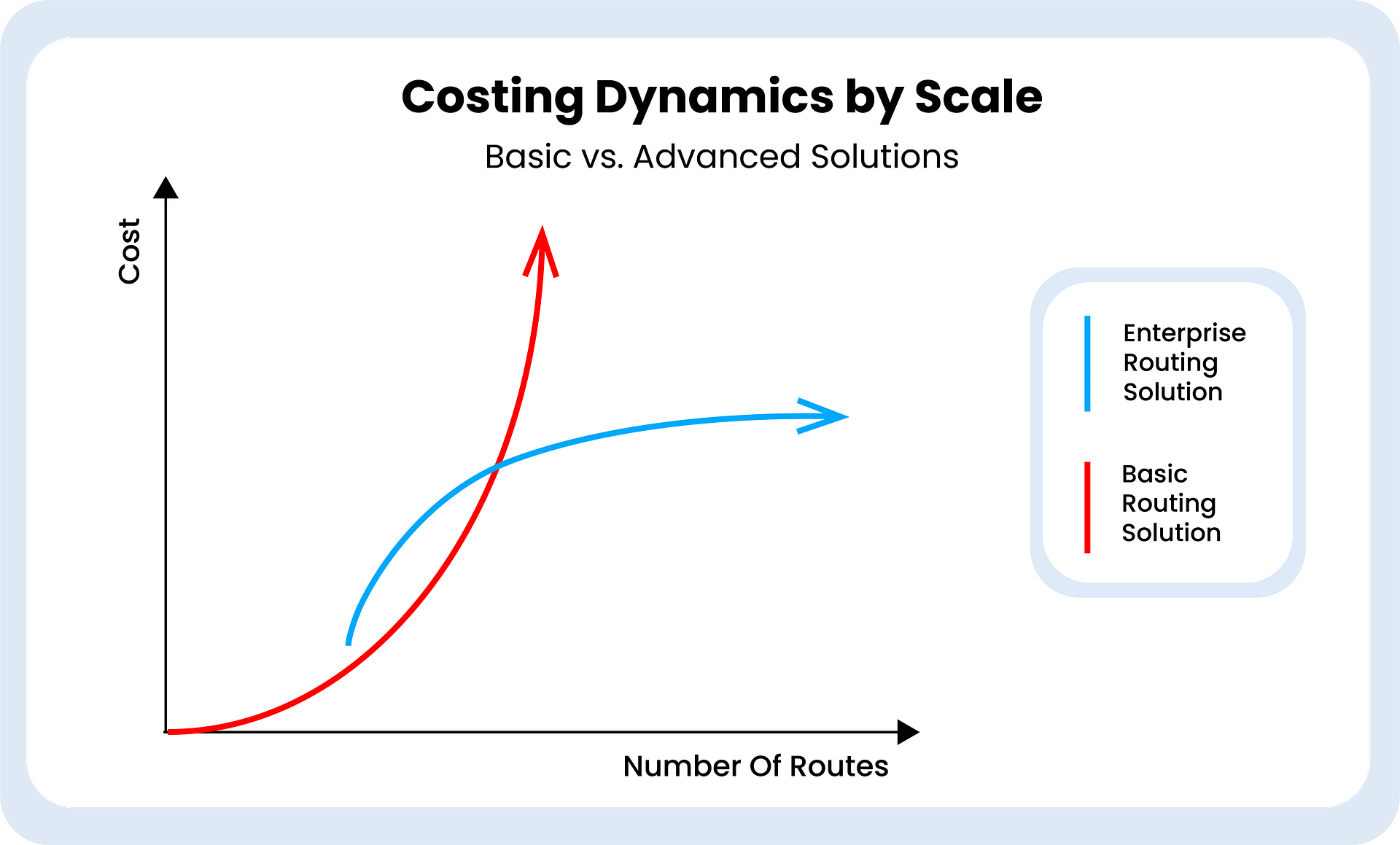
Advanced routing technology can lead to long-term cost savings:
- Avoiding Short-Sighted Decisions: Some companies make the mistake of choosing cheaper, productized solutions that seem cost-effective upfront. However, as the business grows and needs become more complex, these systems can become costly and inefficient. Investing in a scalable, advanced system from the start ensures that your routing solution can grow with your business, providing consistent long-term savings and avoiding the need for expensive overhauls.
- Efficiency Gains: Use technology to optimize routes and reduce fuel consumption, labor costs, and vehicle wear and tear.
- Future-Proofing: Plan for future technological advancements and ensure your systems can accommodate them.
Strategic Partnerships
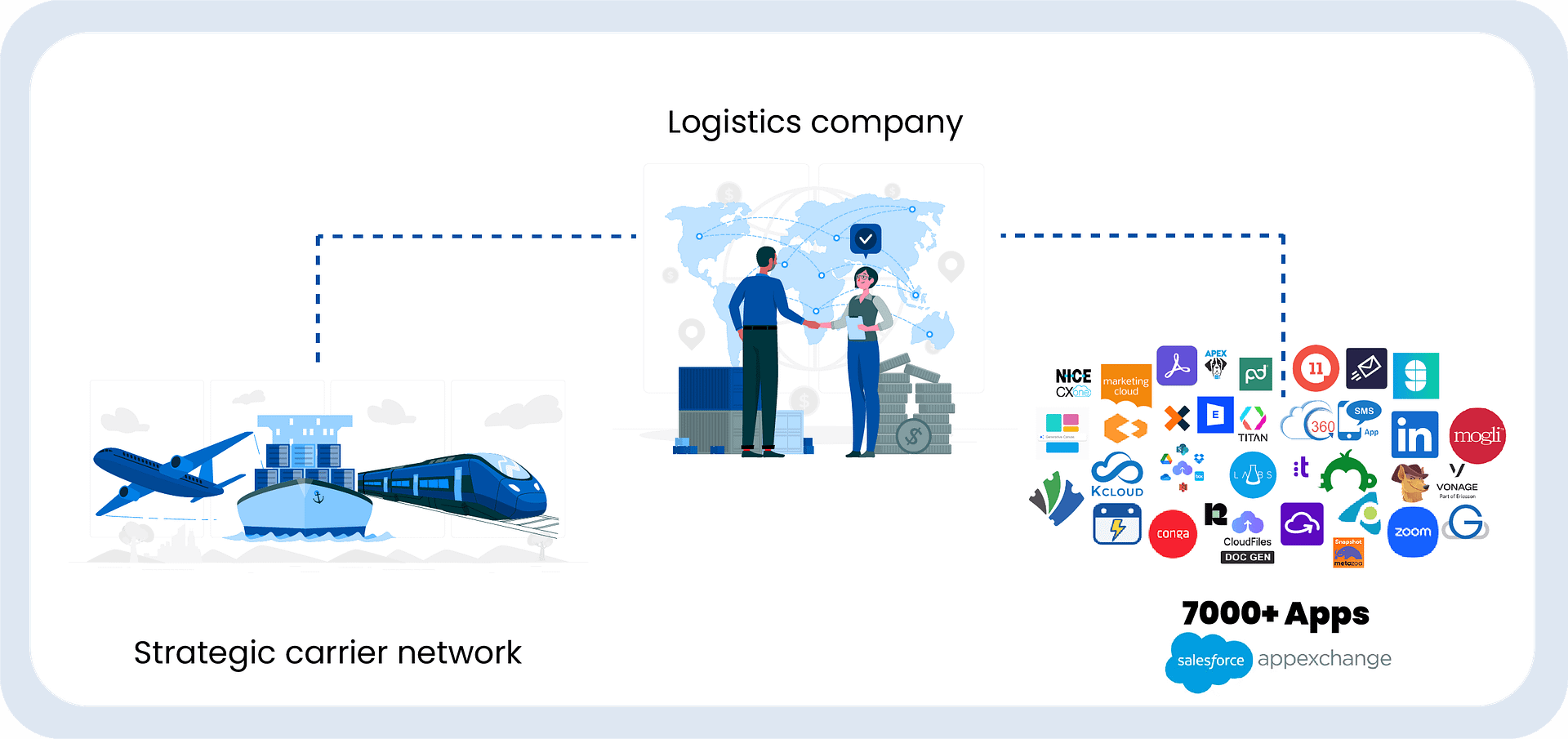
Building strategic partnerships can enhance your routing capabilities:
- Strategic Carrier Network: Establishing a network of strategic carrier partnerships with contracted rates can significantly reduce costs and improve service levels. Neurored’s Freight Rates Management Software and SRM (Supplier Relationship Management) solution helps manage these partnerships effectively.
- Marketplace Integration: Being part of a business apps marketplace like Salesforce AppExchange allows your company to benefit from the latest innovations in the market. Salesforce AppExchange is the World’s #1 Business Apps Marketplace with over 7,000 different business apps that integrate seamlessly, you can customize and enhance your logistics operations to meet specific needs and stay ahead of the competition.
Tools for Data-Driven Decisions
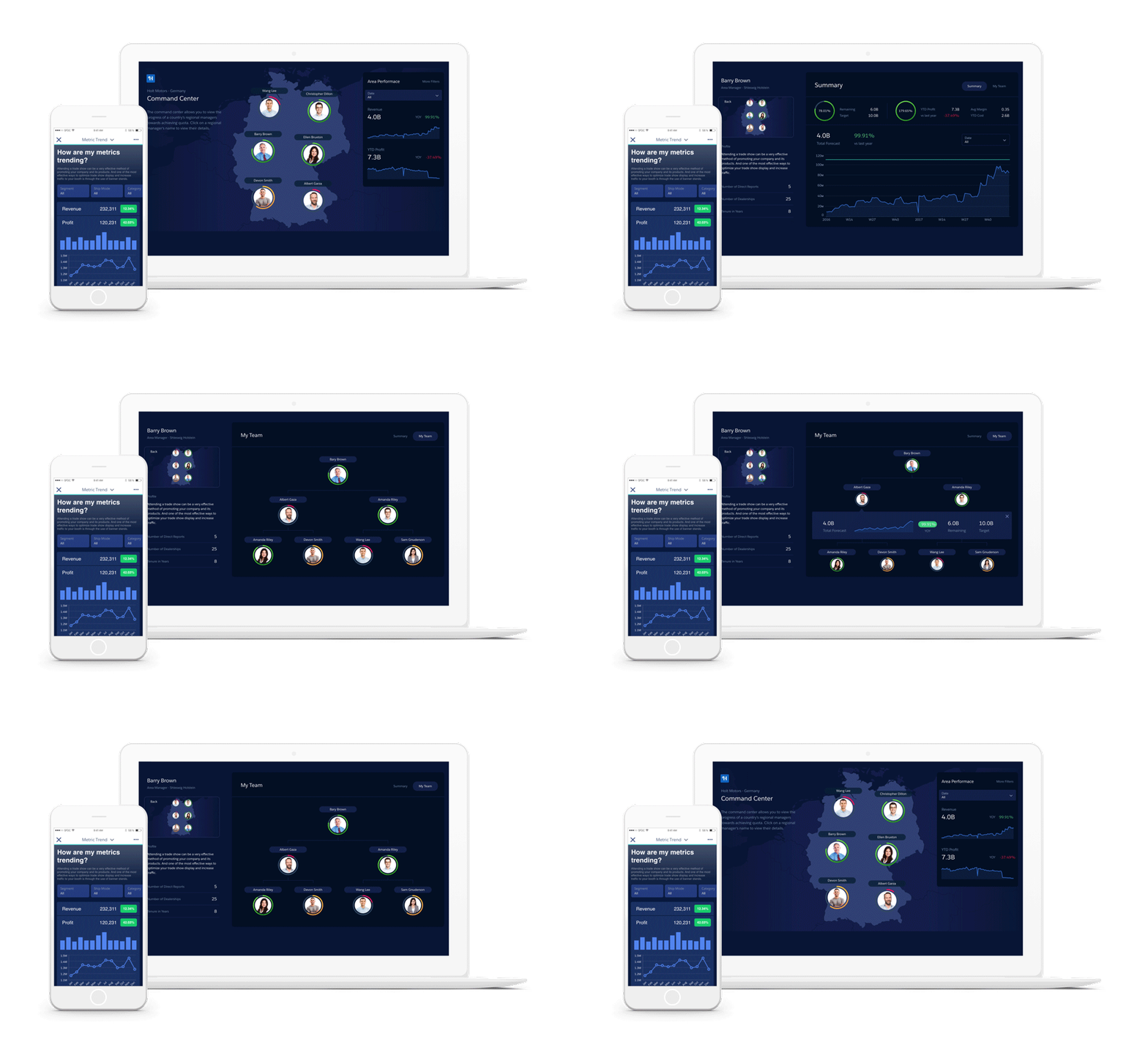
Making data-driven decisions is key to optimizing routing, so use a tool that has:
- Historical Data Analysis: Analyze past shipment data to identify patterns and optimize routes.
- Performance Metrics: Continuously monitor and analyze key performance indicators (KPIs) to make informed decisions.
- Predictive Analytics: Use predictive analytics to forecast future trends and demands, enabling proactive adjustments to routing strategies for improved efficiency and cost savings.
Conclusion
Effective freight routing requires a comprehensive understanding of your logistics needs, from strategic planning and technological investments to operational details and communication. By considering these key factors and leveraging advanced routing solutions, you can optimize your logistics operations, reduce costs, and enhance customer satisfaction.
Stay Tuned for Our Next Post: Tools & Tech for Superior Freight Routing
Schedule your demo today!

Ricardo Medem
Share Article



Let’s Get Started
Schedule a Demo Now