
Transportation Management System (TMS): What It Is & How It Works

Right now, somewhere, there's a logistics team copying tracking numbers between browser tabs, squinting at spreadsheet formulas, and checking carrier invoices line by line.
Every one of these steps drains time. But time isn't the real problem. The real problem is errors. A miscalculation that shaves a point off margin. A surcharge that slips through unnoticed. Those add up fast.
That team doesn't lack technology. They're already running a TMS. It's stitched together from inboxes and spreadsheets, held together by institutional memory and caffeine. And it's bleeding money.
A Transportation Management System (TMS) replaces that patchwork. It connects directly to carriers, pulls rates automatically, tracks every shipment without a phone call, and flags invoice errors before you pay them.
Below, we'll cover what a TMS is, how it works from pickup to payment, and how to evaluate your options without getting lost in feature lists that all sound the same.
What Is a Transportation Management System?
A TMS is software that helps you plan, execute, and optimize how goods move. Think of it as your control tower for shipping across different modes and locations. It turns orders into booked, tracked, and paid freight at the lowest cost that still meets your delivery promises.
That's it. That's what it does.
But before we talk more about what TMS does, let's clear up what it isn’t:
- It’s not a warehouse management system. WMS software helps you manage warehouses, not transportation.
- It's not merely a tracking tool. It plans and optimizes, too.
- It's not a carrier portal. Carrier portals manage the carrier relationship, not the full shipment lifecycle.
- It’s not an ERP add-on. Your ERP keeps the record of your inventory. A TMS helps you plan, optimize, execute and track the movement of goods.
How Does a Transportation Management System Work?
A modern TMS runs on five connected functions: strategic planning, operational planning, execution, freight tracking, and settlement. They follow a natural sequence, from long-term decisions down to daily dollars. Miss one, and the others fall apart.
But here's the part most teams don't absorb: these five functions aren't a checklist you complete once. They run in a continuous cycle. You plan routes. Execute bookings. Monitor shipments. Settle invoices. Then feed what you learned back into planning. Each cycle helps you run smarter, leaner and faster.
Let's walk through each.
1. Strategic Planning
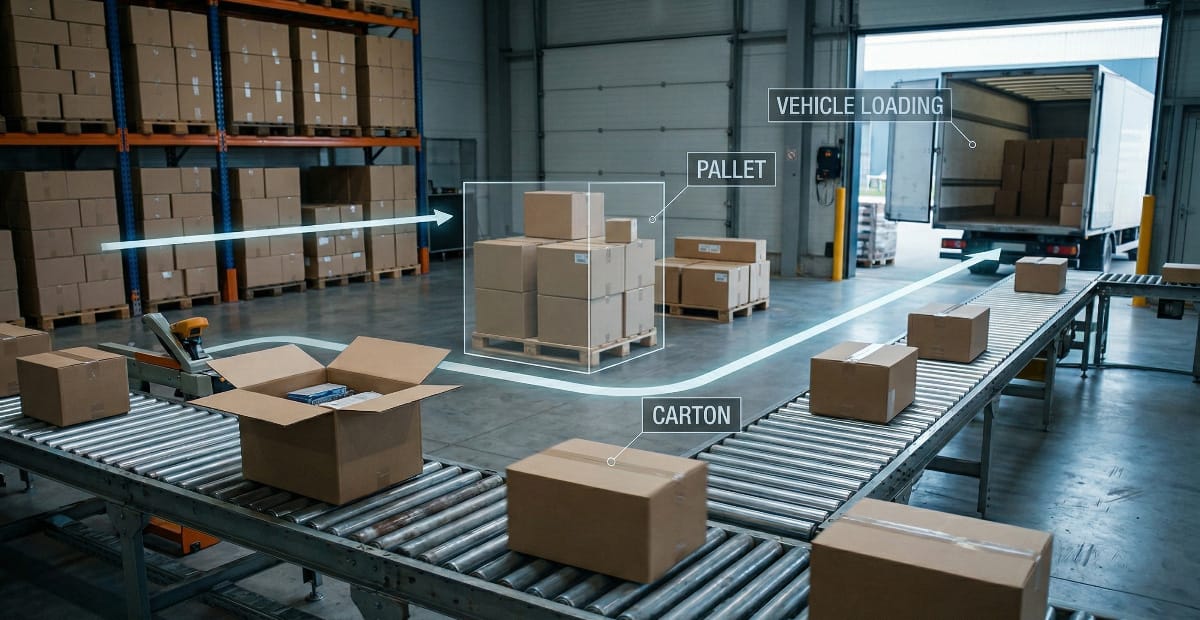
Everything starts here. This is the big-picture work. You're mapping network routes across continents, working out capacity deals with carriers, locking in rates before market chaos hits. Which lanes matter? Which partners perform? Where are you placing your bets for the next 12-24 months?
These decisions set the ceiling for everything that follows. If an ops team gets them wrong, no amount of daily optimization will save it.
For international operations, the math gets more complex. Landed cost simulation adds transportation, insurance, duties, taxes and fees into total cost projections.
A supplier that looks cheap on paper might not be cheap once you factor in everything it takes to get those goods to your dock. If your planning engine can't show you true landed costs, your sourcing decisions are built on incomplete numbers.
Those incomplete numbers don't stay contained. They ripple forward into every step that follows, starting with the decisions your team makes every morning.
2. Operational Planning

Strategic planning sets the rules. Operational planning plays the game.
Every morning, someone on your team has to look at a pile of orders and figure out how to move them. Which truck carries what? Which route shaves hours off delivery? Should this shipment go by road or rail today? The goal is simple but tough: get the most value from every vehicle, every driver, every mile.
This is where the TMS earns its keep. Instead of a person making those calls from memory and experience, optimization engines work through thousands of combinations in minutes.
Here's what that looks like in practice:
Consolidation/Groupage
Teams shipping lots of smaller loads to the same region are paying for half-empty trucks. Consolidation fixes that. It combines smaller LTL shipments into a full truckload headed to a regional hub. You pay full-truck rates for the long haul instead of premium rates for partial loads.
Before a truck leaves, the system checks stacking rules and weight distribution through 3D load configuration, making sure every load is compliant. That means nothing gets rejected at inspection, no safety issues on the road, and no wasted space in the trailer.
Intermodal and Multimodal Transport
Should this shipment go by truck, rail, or parcel?
Each mode prices differently, which makes comparison hard. Multimodal routing standardizes rates across LTL, parcel, and FTL so you can compare options on equal terms and pick the cheapest one that still meets your delivery window.
By evaluating combinations of transport modes for a single shipment, the system finds routes that balance cost and speed across the full journey.
Deconsolidation and Cross-Docking
Once consolidated shipments reach a regional hub, they need to be broken down and handed off efficiently. Instead of warehouse teams manually sorting which orders go where, the TMS pre-assigns ready orders to an outbound vehicle before the inbound truck arrives.
Cross-docking becomes planned, not reactive. Freight moves through the hub faster, handling costs drop, and local delivery partners get their loads on time.
Last-Mile Routing
Say you have 200 orders going out today across 40 routes. A solver engine tests thousands of possible combinations of loads, trucks, and routes, then picks the ones that cost less and arrive on time. For networks handling thousands of orders daily, these models produce near-optimal solutions in minutes.
Neurored TMS & SCM brings together all of the capabilities listed above. It optimizes routes across all shipping modes with consistent limits and full door-to-door cost visibility. Why does that matter? Because it prevents a common trap: individual legs look cheap, but total costs go up. Without end-to-end visibility, you're optimizing in a silo.
Once the plan is set, the next question is whether reality cooperates.
3. Execution

This is where plans meet reality. And reality doesn't always cooperate.
Execution is the process of turning your planned shipments into actual pickups, documents, and booked carriers. Three things need to happen: carriers need to accept your loads, warehouses need to schedule dock times, and (for international shipments) compliance and customs paperwork needs to clear.
Carrier Tendering
The system sends the first carrier an offer via EDI or API. If they decline or don't respond within the set time window, it automatically tries the next carrier on the list. Then the next.
If all preferred carriers pass, the system broadcasts to digital freight matching platforms for spot bids, connecting your load with available carrier capacity in real time. No one on your team picks up a phone. No one sends an email. The whole cascade happens automatically.
Dock Scheduling
Carriers book dock appointments through a portal instead of calling your warehouse. This does more than save phone time. It reduces detention charges by giving warehouses predictable arrival windows and giving carriers confirmed time slots. When a carrier books, the system updates the shipment ETA and adjusts downstream plans automatically.
Compliance and Customs
For international lanes, there's an extra gate before anything moves: a restricted party screening. The system checks every shipment against denied-party lists like OFAC (Office of Foreign Assets Control) using fuzzy matching.
When it finds a potential match, it triggers a compliance hold automatically. If a logistics team misses one, they’re looking at regulatory violations that can shut down entire trade lanes.
International shipments also generate a mountain of documents: certificates of origin, commercial invoices, packing lists, and HS (Harmonized System) code classification. Automating these reduces clearance delays and the costly errors that come from keying the same data into multiple systems.
4. Tracking

After a carrier accepts a load, the TMS monitors shipment progress through a series of milestones: Dispatched. Arrived at pickup. Loaded. Departed. In Transit. Arrived at destination. Delivered. Unloaded.
That list looks simple. Getting accurate data for each milestone is not.
Geofencing
Geofencing confirms events when a truck's GPS crosses a facility boundary. Instead of waiting for a carrier to call or update a portal, the system knows a truck arrived the moment it enters the yard.
For companies running private fleets, fleet telematics go further, feeding engine diagnostics, fuel use, driver behavior, and hours-of-service data directly into the TMS. That data improves not only tracking accuracy but also maintenance planning and compliance reporting.
Standardized Updates
Different carriers report tracking data in different formats, at different intervals, with different levels of detail. One carrier sends GPS pings every five minutes. Another sends a status update when the driver remembers to scan a barcode. The TMS translates all of these into a single, consistent format your operations team can trust, regardless of which carrier is hauling the load.
Smarter ETAs
A static ETA based on distance says your shipment arrives Thursday. A machine learning model that factors in this carrier's history on this lane, plus a storm system moving through Memphis, says Friday morning.
That's the difference between telling your customer "it's on the way" and telling them when it will arrive. These models learn from lane history, real-time traffic, weather patterns, and carrier reliability to get more accurate over time.
Exception Alerts
Most systems don't have real-time exception alerts. Instead, the first sign something went wrong is a customer complaint.
A TMS with proper exception management sends threshold-based, SLA-aware alerts that tell you what went wrong, how bad it is, and what to do next. A shipment running two hours late on a lane with a 24-hour delivery window gets a different alert than one running two hours late on a same-day delivery.
Neurored's Supply Chain Control Tower gives you a single view across ocean, air, road and rail. When a container is delayed, planners can quickly trace which customer orders and inventory positions are affected, then trigger the right exception workflows.
Tracking tells you whether shipments moved on schedule. But there's still one question left: whether any of it was worth the money.
‣ Find out if your real-time tracking is fast enough to stay competitive in the industry
5. Settlement
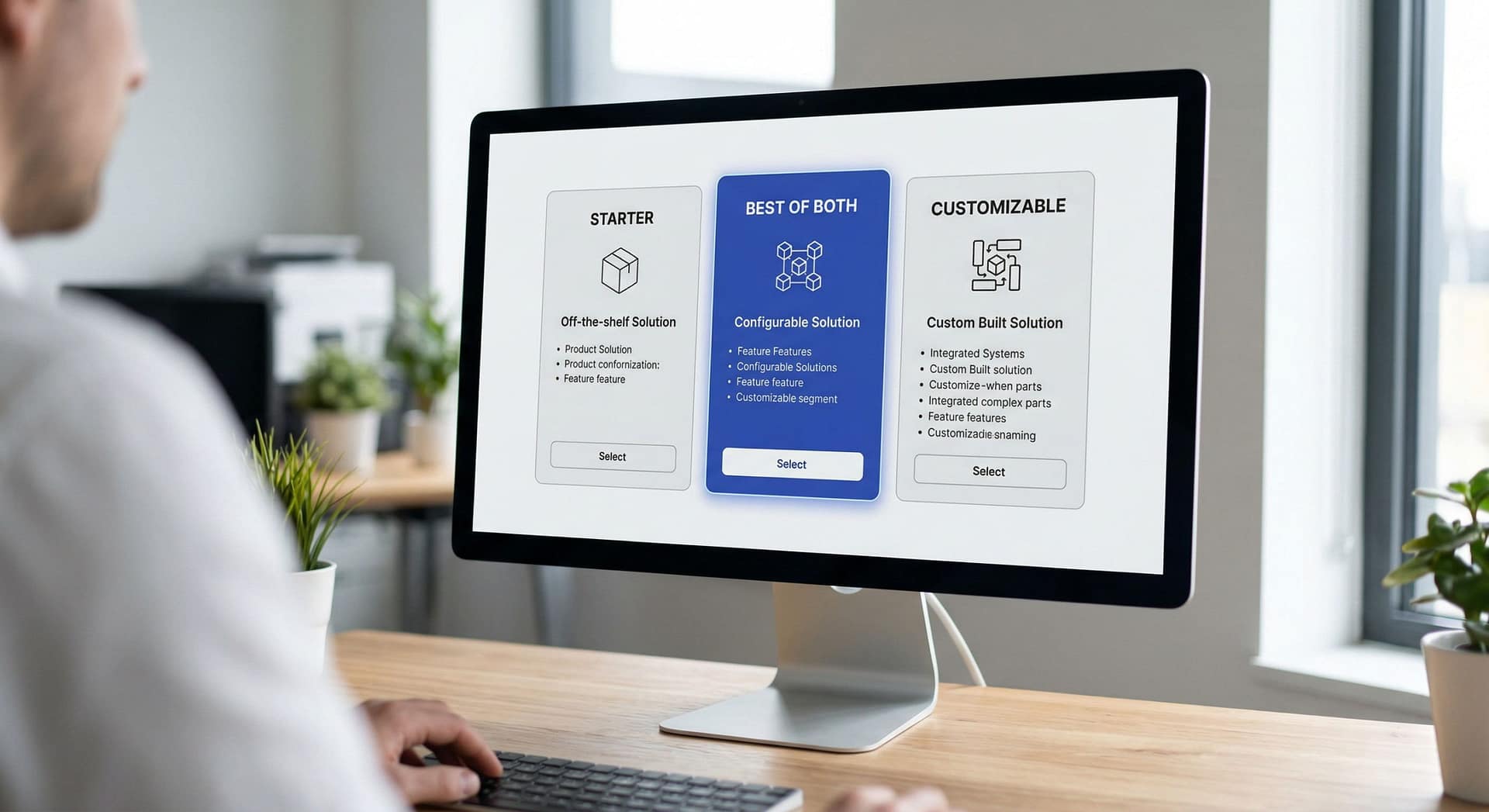
Settlement is the pillar most teams underinvest in. And it's the one quietly costing them the most money.
Here's the problem it solves: carriers send you invoices. Those invoices claim costs that don't always match what you agreed to. Surcharges appear that shouldn't exist. Rates don't match the contract. Your job is to catch every error, track every dollar, and understand what each shipment truly costs. Not what the carrier says it costs. What it costs.
Most teams do this by hand. That's how errors persist.
A TMS automates the audit with:
- Rate Management: The rate engine holds hundreds of thousands of records covering base rates, surcharges, fuel adjustments, and conditional rules. When an invoice arrives, the system checks it against the deal you negotiated, not a simplified version of it. Every line item, every surcharge, every conditional rate gets compared to the original contract.
- Three-Way Matching: The system automatically compares three things: the contracted rate, the carrier's invoice, and the actual shipment details (weight, distance, accessorials). If any of the three don't line up, it flags the discrepancy before you pay.
- Surcharge Validation: This is where the real money is. Detention, reweigh fees, fuel surcharges. These extras can represent a large chunk of the total freight spend. Without automated validation, you're paying for billing errors voluntarily. Every quarter those go unchecked, the waste compounds.
For international shipments, duties, taxes, and fees all need to reconcile against the landed cost projections from strategic planning. If costs consistently run higher than projections, the sourcing math is wrong. That's a strategic problem, not an accounting one, and it feeds directly back into the next planning cycle.
Data analytics then answer the bigger questions. Which customers are unprofitable? Which lanes are bleeding margin? Which carriers consistently overbill? If your transportation management software can't answer those, you're leaving your team without visibility into the very operations they need to manage.
Why All Five Functions Matter
Taken together, these five functions have features that layer automation across the entire shipment lifecycle, such as:
- Carrier tendering
- Dock scheduling
- Document generation
- Compliance screening
- Geofencing
- Exception alerts
- Three-way matching
- Surcharge validation
- Rate auditing
But removing manual steps is only half the value. The other half is what happens when these functions feed information to each other. Here's how the five functions connect:
- Strategic planning sets direction. Operational planning turns direction into daily decisions. Execution turns decisions into movement. Tracking tells you whether that movement is on schedule. Settlement tells you whether any of it was worth the money, and feeds the next round of planning.
- Settlement data reveals which lanes cost more than expected. Tracking data reveals which carriers miss delivery windows. That information flows back into strategic and operational planning, making the next cycle smarter.
- Running this loop, the TMS should reduce cost per shipment and cut exception rates over time. The system you're running six months from now should be measurably smarter than the one you launched with. If it isn't, maybe you’re working with the wrong TMS vendor.
How to Choose a Transportation Management System
Every transportation management software demo looks great. The interface is clean. The data flows perfectly. The presenter clicks three buttons and a shipment routes itself across two continents.
Then you buy it. And you realize that TMS software purchases based on a demo only work if you first ensure that your TMS choice is aligned with your strategy.
From there, the features you prioritize should be guided by your operating model:
- Shippers need planning, carrier management and cost allocation.
- 3PLs need to run planning, execution, and settlement independently for each client without the systems bleeding into each other.
- Freight forwarders need multimodal capabilities, customs and global trade compliance. If the system can't handle that complexity natively, you'll be patching gaps with spreadsheets within a month.
- Private fleets need dispatch, driver management and asset tracking. You own the trucks. The system needs to manage them.
Your freight profile matters too.
Small, parcel-only operations may get by with basic shipping software. But larger volumes of parcels, LTL, LCL, and LTUL loads need optimization engines that test thousands of load and route combinations to find the cheapest option that still delivers on time. Multimodal global operations need a unified data model that handles all modes in one system. The tool needs to match the complexity.
Beware of these TMS Red Flags
Pay attention to how vendors describe their limitations. The language tells you everything.
“You pay per shipment”
When volume goes up, your software cost goes up with it. It doesn't matter that your team handled the growth through smarter workflows and better automation. The vendor gets paid more for the same software. Every efficiency gain your team builds flows straight to their revenue, not your margin.
‣ Learn how user-based TMS pricing model rewards growth
“We’ll build custom code for that requirement.”
Custom code creates upgrade dependencies. Every platform update means retesting, patching, and redeploying your customizations. Updates become a tax. And you're locked into that vendor's development team for every future change.
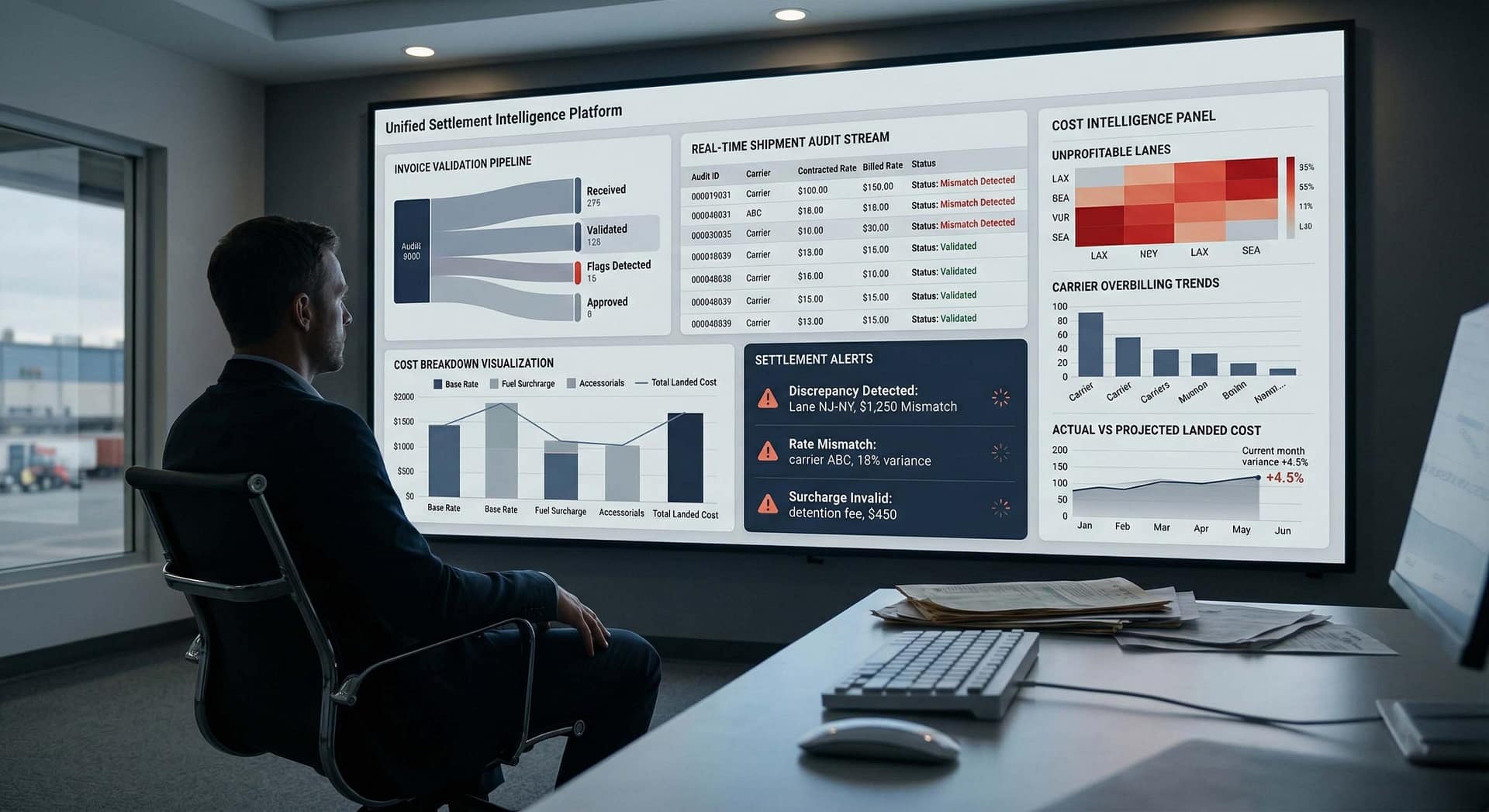
But the alternative isn't going back to off-the-shelf either. Rigid out-of-the-box systems force your operations to fit their workflows. When they can't handle something specific, your team builds workarounds. Spreadsheets fill the gaps. Manual steps creep back in. You end up working around the software instead of it working for you.
The middle ground is platform configuration.
Neurored TMS & SCM offers reconfigurable workflows on Salesforce, so you can adjust fields, forms, and processes yourself without custom code or vendor development cycles. When a shipment event or an exception happens, the workflow can automatically route an approval, notify the right team, and create the next task, without engineering becoming the bottleneck.
‣ Want to do more research? Find out if off-the-shelf TMS software is a good choice
“Our portal replaces your carrier relationships.”
This risks lock-in. If the only way to access capacity is through their marketplace, you've traded one dependency for another. What you want to hear: "We integrate with your existing carriers and provide marketplace access as an option."
“Our AI handles exceptions automatically.”
Without clean data, AI is just expensive guessing. Ask what data sources feed the model. Ask about guardrails. Ask whether you can tune it. If they can't answer those questions, the AI is a hype creation gimmick, not an operational feature.
The TMS as Your Logistics Operating System
Remember that team from the beginning? They're running all five of these functions. Just badly. Strategic planning in a spreadsheet. Execution over email. Settlement by hand.
Every TMS function exists whether you formalize it or not. The question is whether you run them as a connected system that learns from itself, or as disconnected tasks that leak time and money at every handoff.
The value of a TMS isn't in any one pillar. It's in the connections between them. A system that plans but can't settle accurately is guessing at costs. One that tracks but doesn't feed data back into routing is repeating the same mistakes.
Start by mapping what you do today across all five functions. Find the weakest link. That's where your money is going.
If you're ready to stop running five disconnected functions and start running one connected system, schedule a demo of Neurored TMS & SCM. No commitment required.
FAQs
What does a transportation management system do?
A TMS helps you plan, execute and optimize goods movement. You can manage orders, select carriers, tender loads, track freight, audit invoices and allocate costs while ensuring compliance and service.
What’s the difference between TMS and WMS?
TMS manages transport between facilities (routes, carriers, tracking). WMS manages within facilities (receiving, picking, packing). They're complementary: WMS tells TMS when orders ship; TMS tells WMS when freight arrives.
How does TMS differ from ERP?
ERP is a system of record (orders, inventory, accounting). TMS is execution for transport (planning, tendering, tracking, audit). TMS integrates with ERP to receive orders and post costs, but has purpose-built logistics logic ERPs lack.
Is TMS a CRM system?
No. CRM manages customer relationships. TMS manages transport execution. Some softwares like Neurored TMS & SCM are built on the Salesforce Platform, the world's largest business apps platform. Building on this platform allows Neurored to offer core CRM objects of Salesforce as a part of their TMS package. But the core function is logistics.

Ricardo Medem
Share Article



Let’s Get Started
Schedule a Demo Now