
















Founder & CEO and serial entrepreneur with 30 years building and exiting tech businesses.

Director of Marketing with 10+ years in B2B SaaS demand generation and revenue growth.
Director of Marketing with 10+ years in B2B SaaS demand generation and revenue growth.
One platform for transport management and supply chain, built on Salesforce.
Book a demoChoosing the right freight routing method is crucial for optimizing logistics operations. Different types of freight routing can significantly impact efficiency, cost, and delivery times. In this post, we'll explore the various types of freight routing and help you determine which method is best suited for your business.
Point-to-Point Routing VS Hub-and-Spoke Routing
Point-to-Point Routing
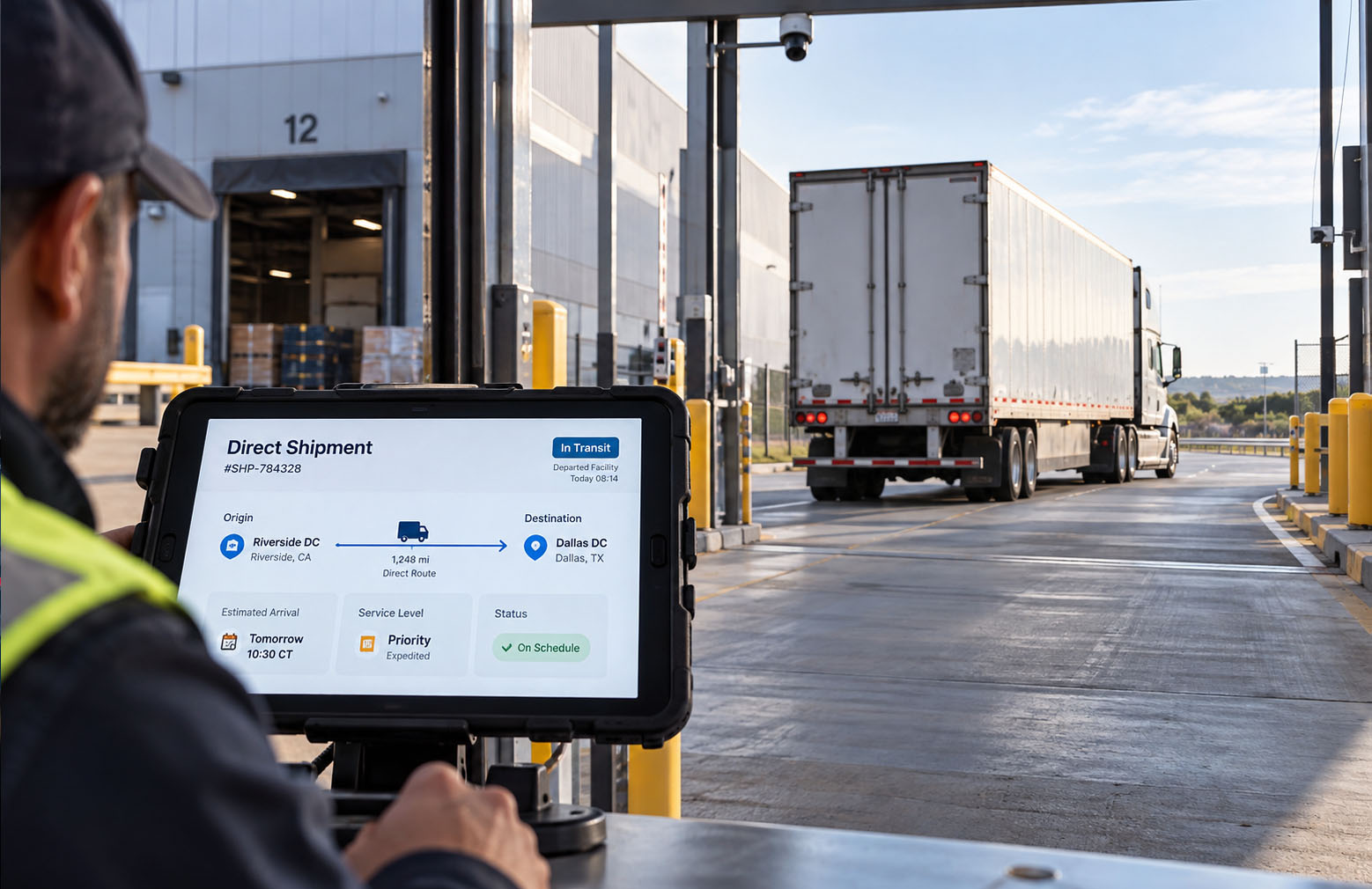
Definition and Applications
Point-to-point routing involves transporting goods directly from the origin to the destination without any intermediate stops.
This method is often used for high-priority shipments that require quick delivery.
Advantages
- Speed: Direct routes ensure the fastest delivery times.
- Simplicity: Fewer stops mean less complexity and lower chances of delays.
Disadvantages
- Cost: Generally higher costs due to lack of consolidation opportunities.
- Scalability Issue: Not suitable when there are a large number of delivery locations, as each direct route would require separate planning, leading to inefficiency and high costs.
Use Case Example: A company needing to deliver critical medical supplies quickly might opt for point-to-point routing to ensure the fastest possible delivery.
Hub-and-Spoke Routing
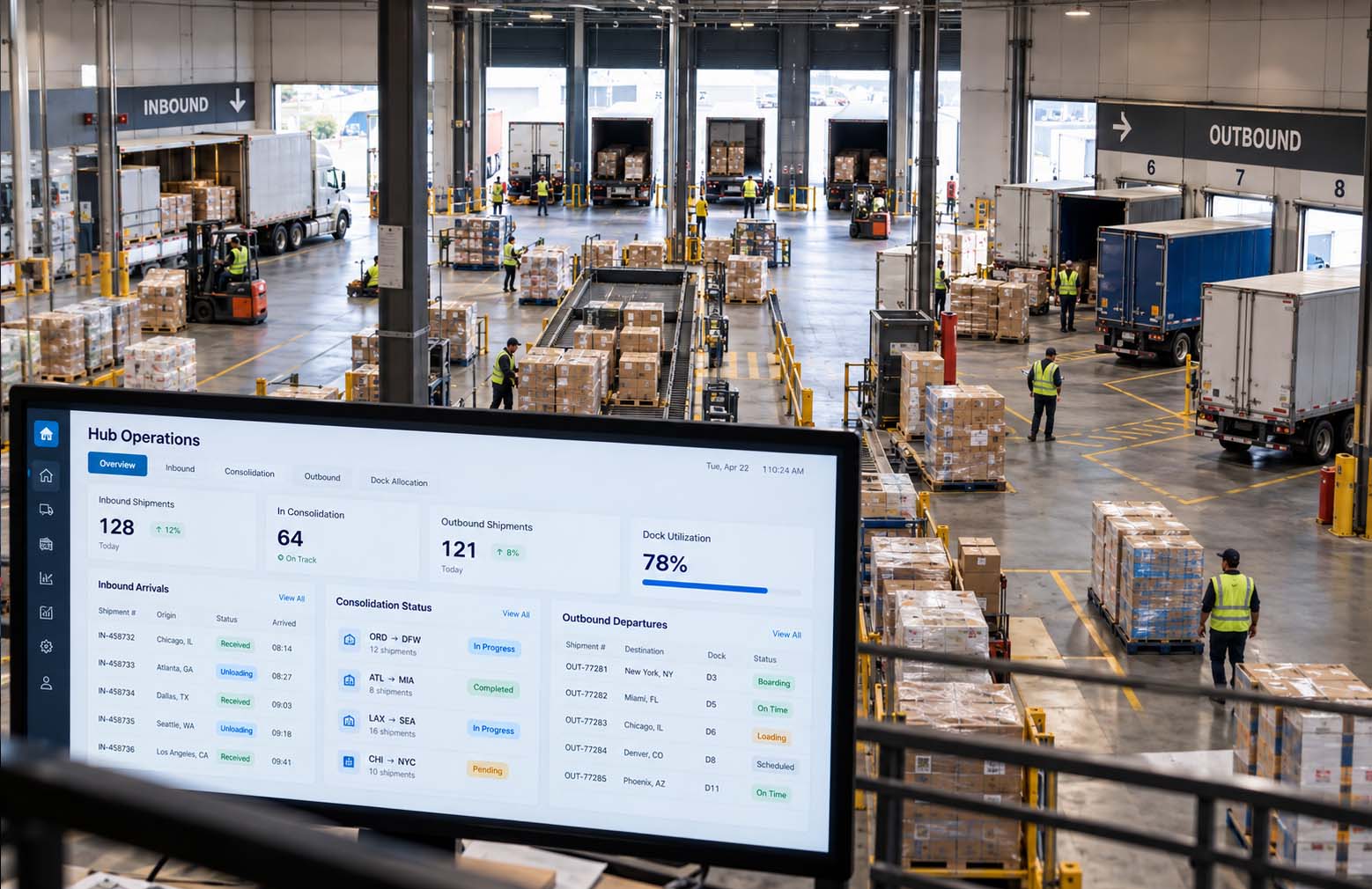
Definition and Applications:
Hub-and-spoke routing involves consolidating shipments at a central hub before distributing them to various destinations.
Commonly used by airlines and large logistics companies to optimize network efficiency.
Advantages
- Efficiency: Consolidation reduces transportation costs and maximizes vehicle capacity.
- Flexibility: Easier to manage and scale operations by adding more spokes to the network.
Disadvantages
- Time: Additional handling at the hub can increase transit times.
- Complexity: Requires sophisticated planning and coordination.
Use Case Example: A retail company distributing products to multiple stores across the country might use hub-and-spoke routing to centralize shipments and then distribute them efficiently.
Intermodal and Multimodal Routing
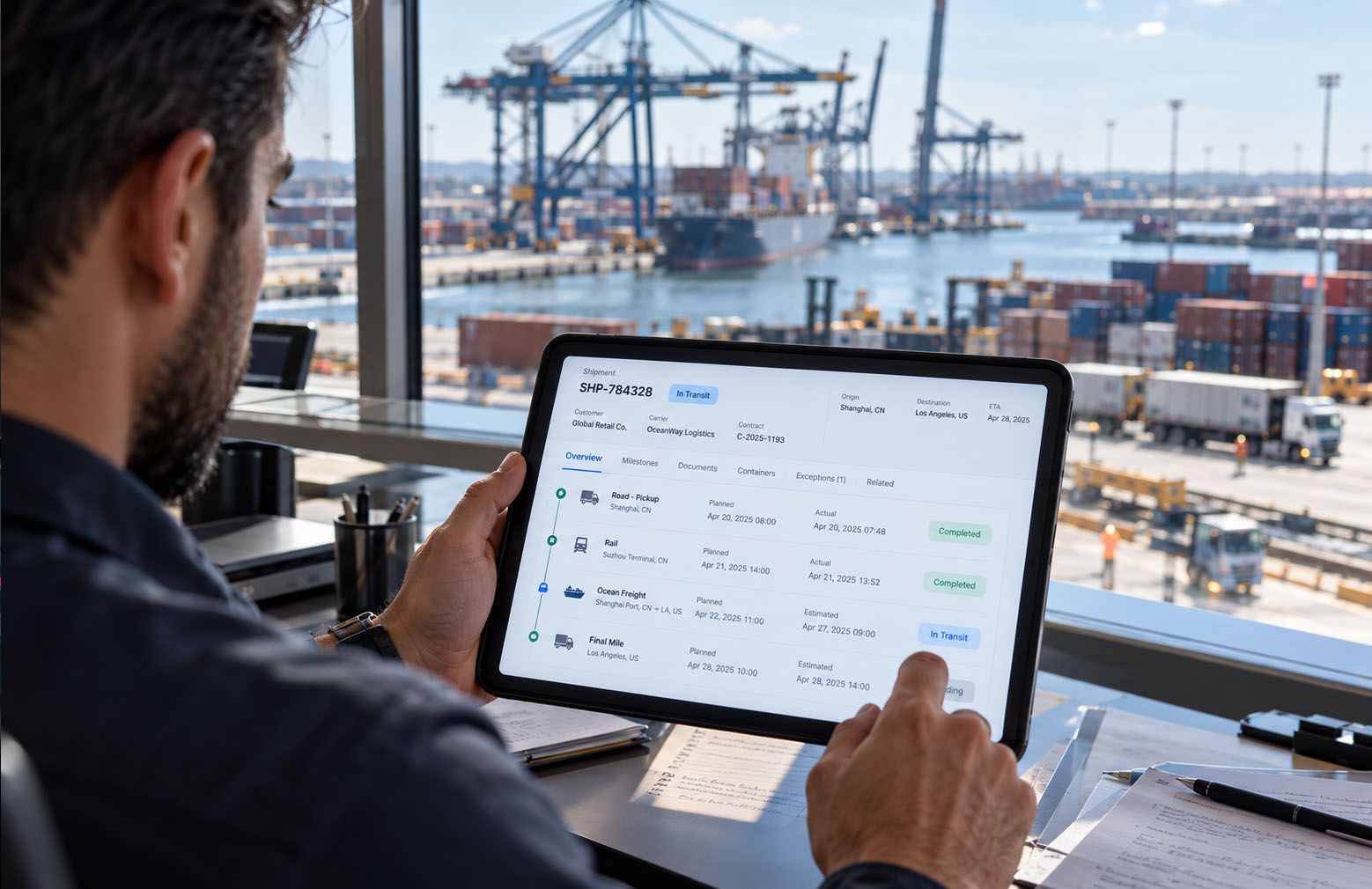
Differences and Definitions:
- Intermodal routing involves using multiple modes of transportation (e.g., truck, rail, ship) under a single contract, with each mode having its own carrier. The responsibility for the shipment transfers between different carriers at each mode change, which can offer flexibility in selecting the most cost-effective or efficient carrier for each leg of the journey.
- Multimodal routing also uses multiple transportation modes but under a single contract and a single carrier responsibility. This means that one carrier is responsible for the entire shipment from origin to destination, coordinating the different modes of transportation seamlessly.
Advantages
- Cost Efficiency: Both methods optimize costs by leveraging the strengths of different transportation modes. Intermodal can take advantage of competitive rates from multiple carriers, while multimodal offers streamlined operations with potentially lower administrative costs.
- Flexibility: Intermodal provides flexibility in carrier selection for each mode, while multimodal ensures smooth transitions between modes under one contract and management.
Disadvantages
- Coordination: Intermodal requires careful coordination between different carriers and modes, which can be complex and time-consuming without Neurored's advanced Transport Management Systems (TMS) software. Multimodal, while simpler in coordination, may not always offer the most competitive rates if the single carrier's options are limited.
- Handling: Both methods can increase handling and transfer times, potentially impacting delivery speed and risk of damage.
Use Case Example: A manufacturer shipping goods internationally might use intermodal/multimodal routing to combine the cost-efficiency of rail for long-distance travel with the flexibility of trucks for final delivery.
Static Routing
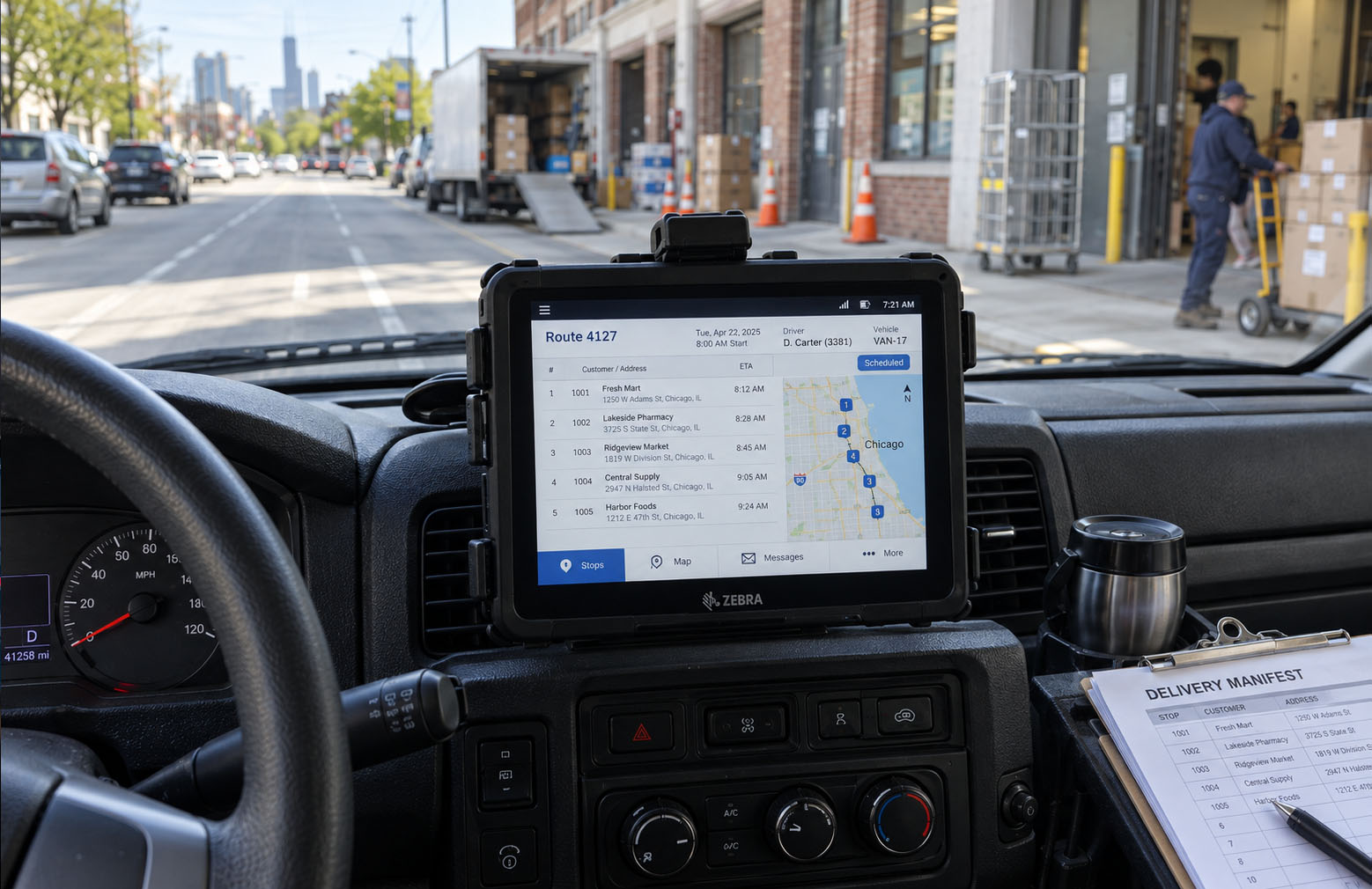
Definition and Applications:
Static routing involves pre-planned routes that do not change unless manually adjusted.
This method is suitable for small businesses that either manage their own fleet or outsource their road transportation.
Advantages
- Predictability: Simplifies planning and scheduling.
- Simplicity: Easier to manage and implement with fewer technological requirements.
Disadvantages
- Inflexibility: Cannot respond to real-time changes, leading to potential delays.
- Inefficiency: May not always use the most efficient routes.
Use Case Example: A delivery service with regular, predictable routes (e.g., daily newspaper delivery) might use static routing for simplicity and reliability.
Dynamic Routing
Definition and Applications:
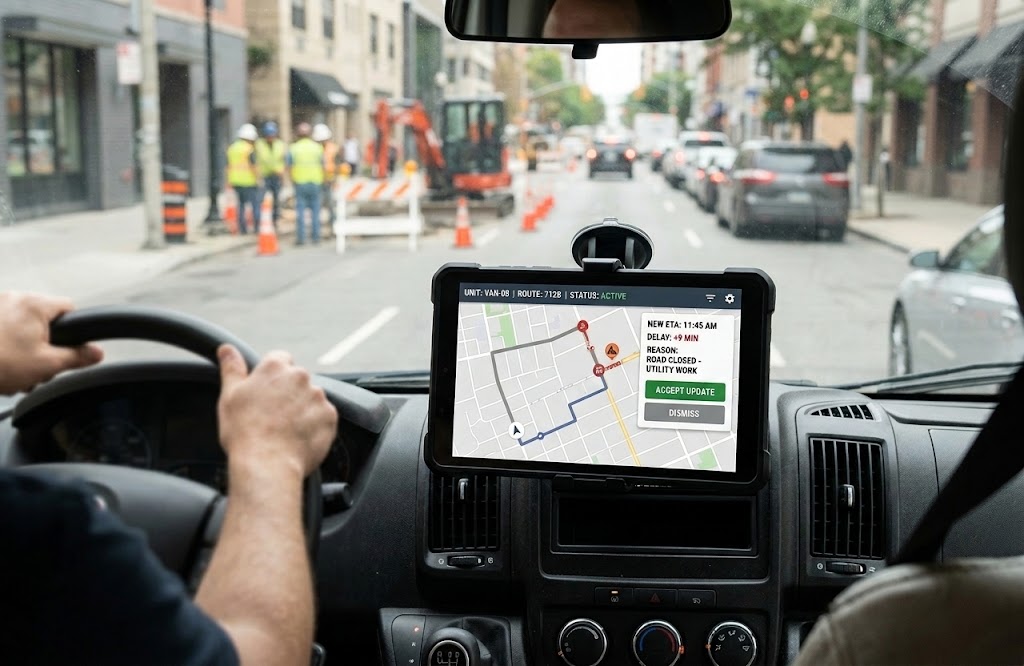
Dynamic routing adjusts routes in real time based on current conditions such as traffic, weather, and road closures.
This method is most relevant for large businesses managing their own fleet, as it requires real-time monitoring and adjustments.
Advantages
- Real-Time Adjustments: Can respond to unexpected changes, reducing delays.
- Optimized Efficiency: Continuously finds the best routes based on real-time data.
- Long-Term Cost Savings: Although it requires an investment in advanced software, dynamic routing can lead to significant savings by optimizing fuel usage, reducing travel time, and improving overall efficiency.
Disadvantages
- Complexity: Requires advanced technology and constant monitoring.
- Initial Costs: Potentially higher initial costs for implementing dynamic systems.
Use Case Example: A logistics company operating in urban areas with unpredictable traffic might prefer dynamic routing to avoid delays and optimize delivery times.
Choosing the Right Routing Method for Your Business
To help you choose the right freight routing method, use the following decision tree and considerations:
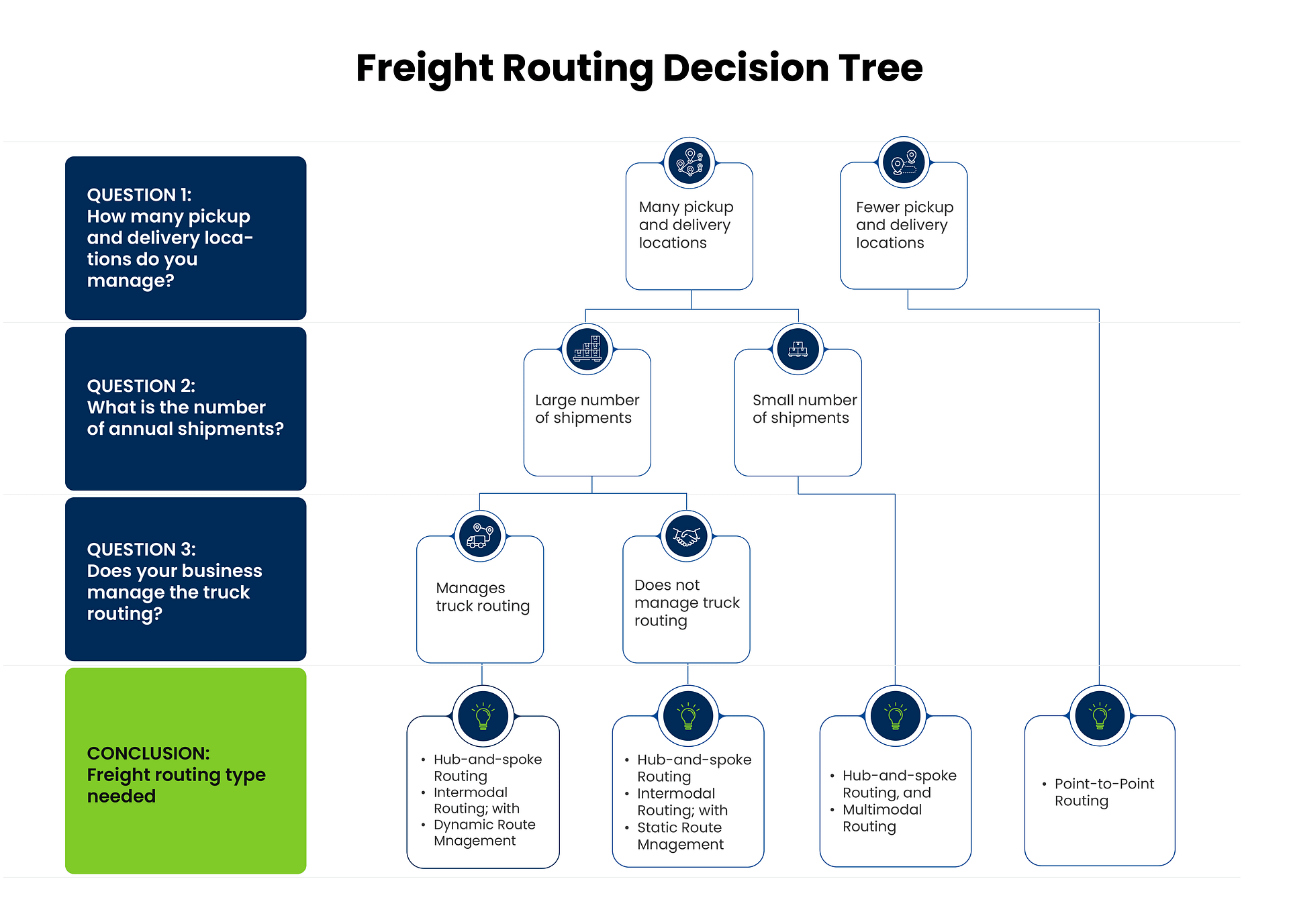
Using the Decision Tree: The decision tree helps guide you through a series of questions about your business needs, such as the number of pickups and deliveries, the number of annual shipments, and whether your business manages truck routing. By answering these questions, you can determine the most suitable freight routing method for your operations.
Example: Imagine you are a logistics manager for a company that ships a large number of goods to many different locations. Your company manages its own fleet, and timely deliveries are crucial for your operations. Following the decision tree:
- You identify that you have many pickups and deliveries.
- You handle a large number of shipments.
- Your business manages truck routing.
- Delivery speed is important to you.
Based on these factors, the decision tree suggests Hub-and-Spoke, Intermodal Routing with Dynamic Route Management as the optimal solution. This method will help you efficiently consolidate shipments and adjust routes in real-time to ensure timely deliveries.
Recommendation: Choose Advanced Freight Routing Software
As you assess your routing needs, think beyond your current requirements. Investing in advanced routing systems like Neurored TMS & SCM Software can save your business time and money in the long run. Neurored TMS & SCM Software handles all types of freight routing (point-to-point, hub-and-spoke, intermodal, multimodal, static, and dynamic), providing comprehensive solutions for your logistics needs.
Planning for future needs ensures your routing system remains effective and scalable, avoiding costly overhauls down the line. By anticipating growth and changes in your logistics operations, you can ensure your system is ready to handle future demands with ease and efficiency.
Conclusion
Understanding the different types of freight routing and their respective advantages and disadvantages is crucial for optimizing your logistics operations. By evaluating your specific needs and considering factors like the number of pickups and deliveries, number of shipments, and whether you manage truck routing, you can choose the right routing method to enhance efficiency and ensure timely deliveries.
Stay Tuned for Our Next Post: Key Considerations in Freight Routing: What You Need to Know for Effective Logistics Management
Description
Description