
Step-by-Step Freight Routing Guide
Steps for Freight Routing
Step 1: Initial Assessment and Planning
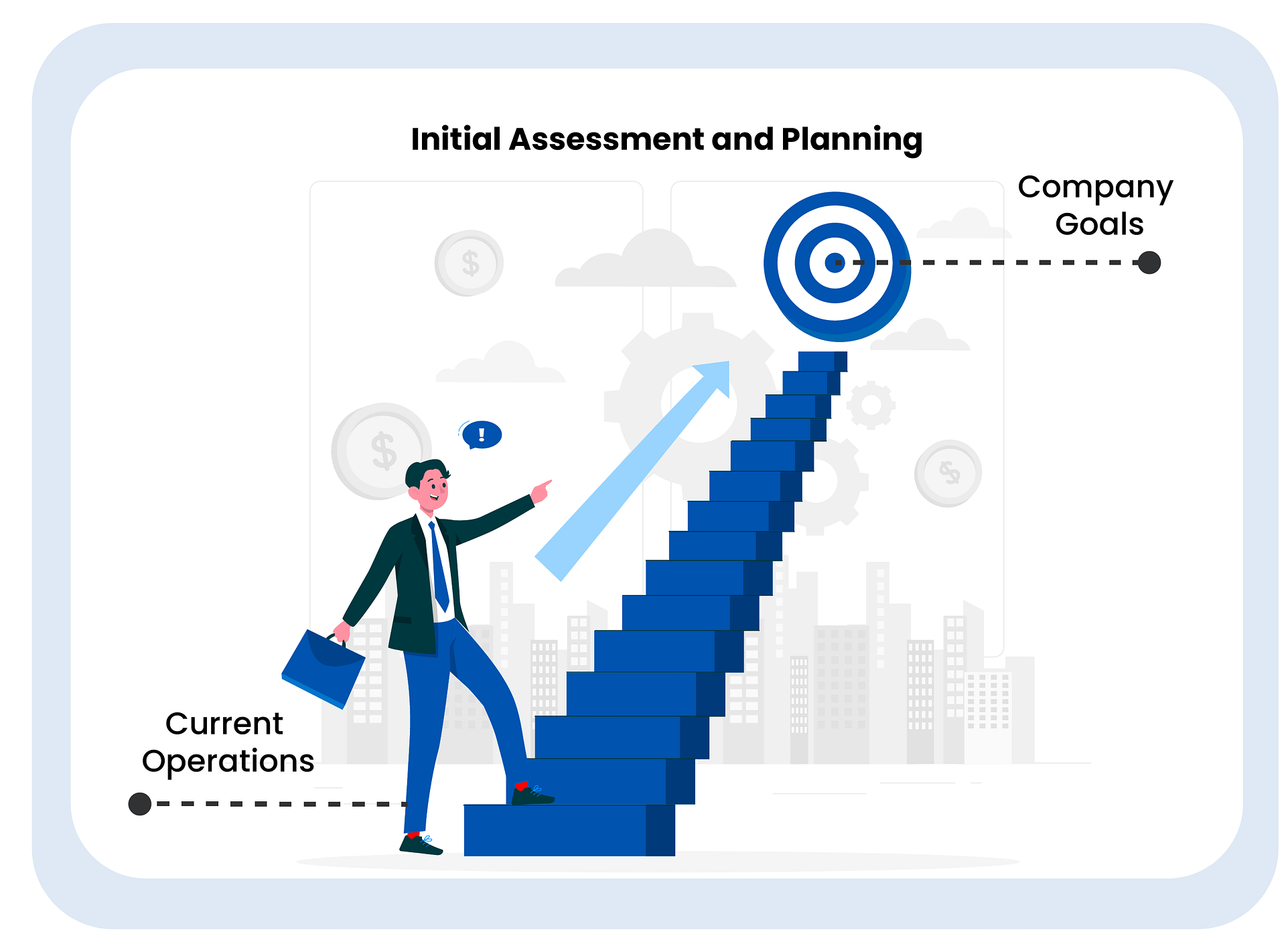
Evaluate Current Operations:
- Identify pain points, inefficiencies, and areas for improvement: Look for frequent delivery delays, high transportation costs, or inconsistent customer satisfaction.
- Collect data on delivery times, costs, and customer satisfaction: Gather historical data to understand current performance metrics and establish a baseline for improvement.
Set Clear Objectives with SMART Goals:
Using the SMART goals framework helps ensure that your objectives are clear, realistic, and trackable. This method provides a structured approach to goal setting that enhances the likelihood of achieving your targets.
- Specific: Goals should be clear and specific, allowing for a focused effort.
- Measurable: Goals should have criteria for measuring progress and success.
- Achievable: Goals should be realistic and attainable within available resources and constraints.
- Relevant: Goals should align with broader business objectives and logistics strategies.
- Time-bound: Goals should have a defined timeline to create a sense of urgency and facilitate timely completion.
Goals might include:
- Reduce delivery times by 20% within the next six months.
- Lower transportation costs by 15% over the next quarter.
- Improve customer satisfaction scores by 25% within one year.
- Achieve a 10% reduction in carbon emissions in the next 12 months.
Step 2: Selecting the Appropriate Routing Method
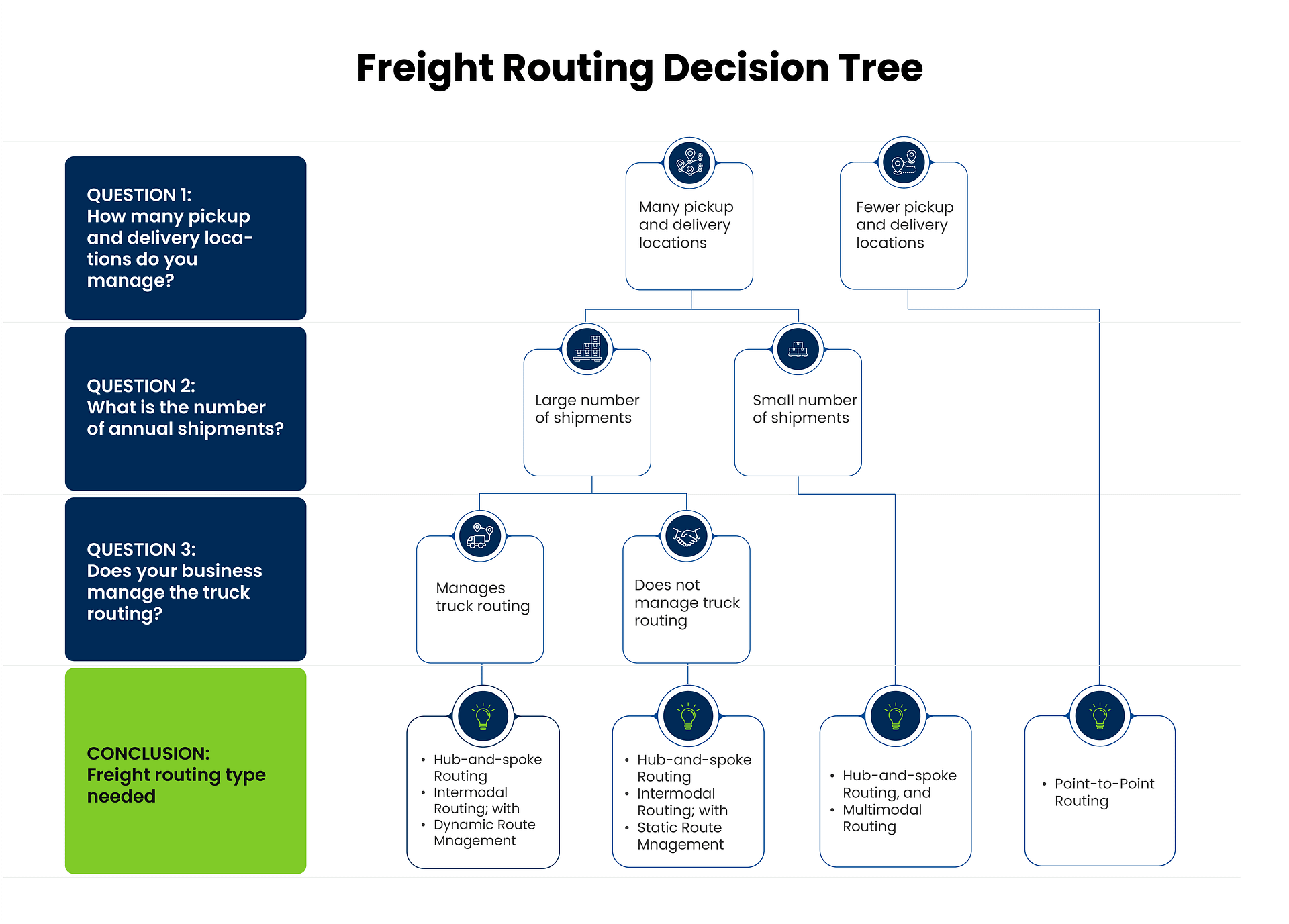
The decision tree in the image above is a quick way to determine the best routing method for your needs.
Popular Types of Routing Methods
- Point-to-Point: Direct routes between two locations.
- Hub-and-Spoke: Central hub with spokes to various locations.
- Multimodal: Combining different transportation modes (e.g., truck, rail, sea).
For detailed information on different routing methods, refer to our article Types of Freight Routing: Which Method is Right for Your Business?.
Step 3: Utilizing Routing Technologies
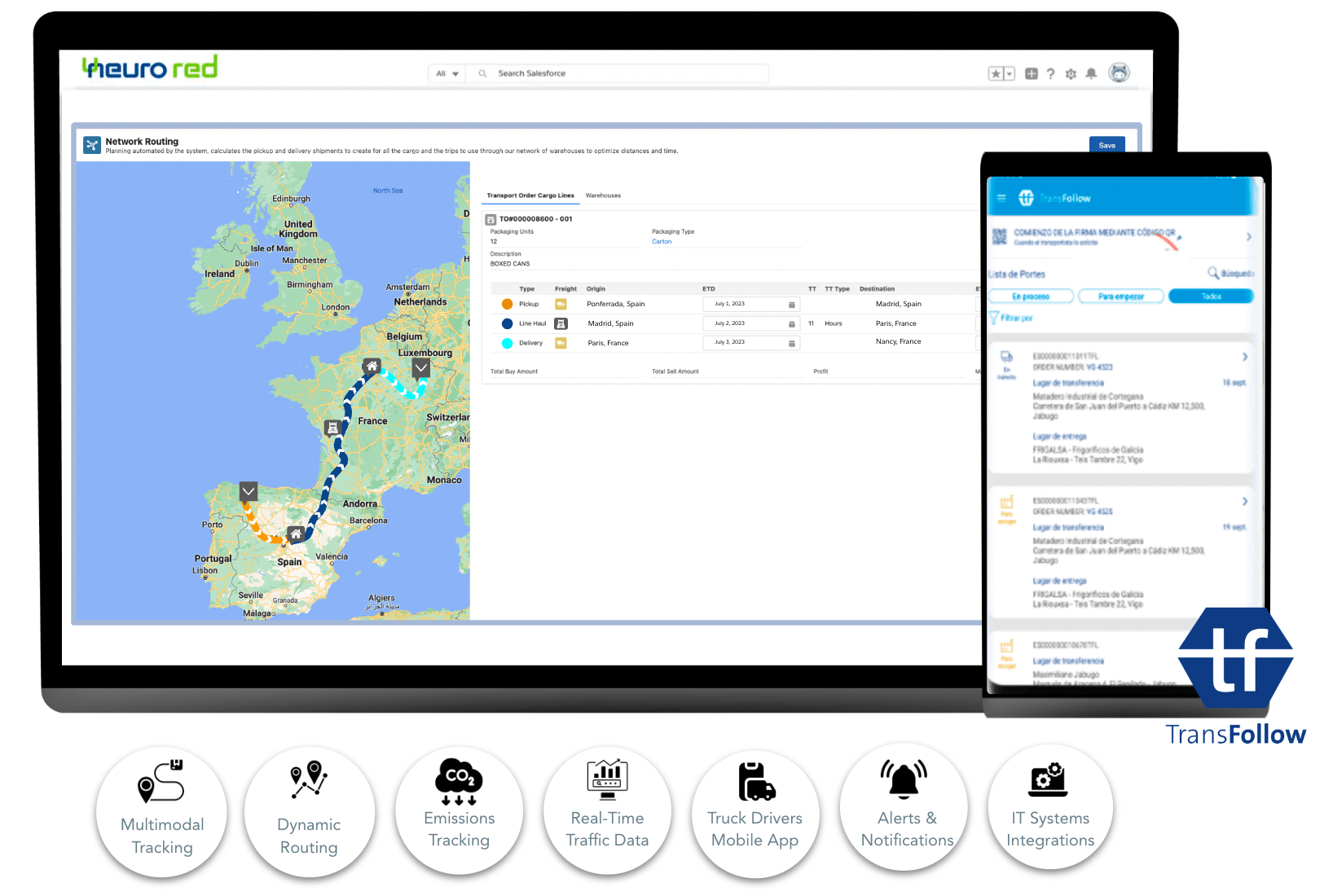
Implement Advanced Routing Software
Software like Neurored TMS & SCM can optimize routes based on real-time data, dynamic routing algorithms, real-time tracking, and emissions management.
Integrate with Existing Systems
Ensuring that the routing software integrates seamlessly with your existing ERP, WMS, and CRM systems is crucial for several reasons:
- Unified Operations: Integration allows for a single platform to manage all logistics operations, reducing the risk of errors and miscommunications.
- Data Consistency: Seamless integration ensures that data is consistent across all systems, improving accuracy and reliability.
- Efficiency: Integrated systems streamline workflows, reducing the time and effort required to manage logistics processes manually.
Step 4: Monitoring and Adjusting Routes in Real-Time
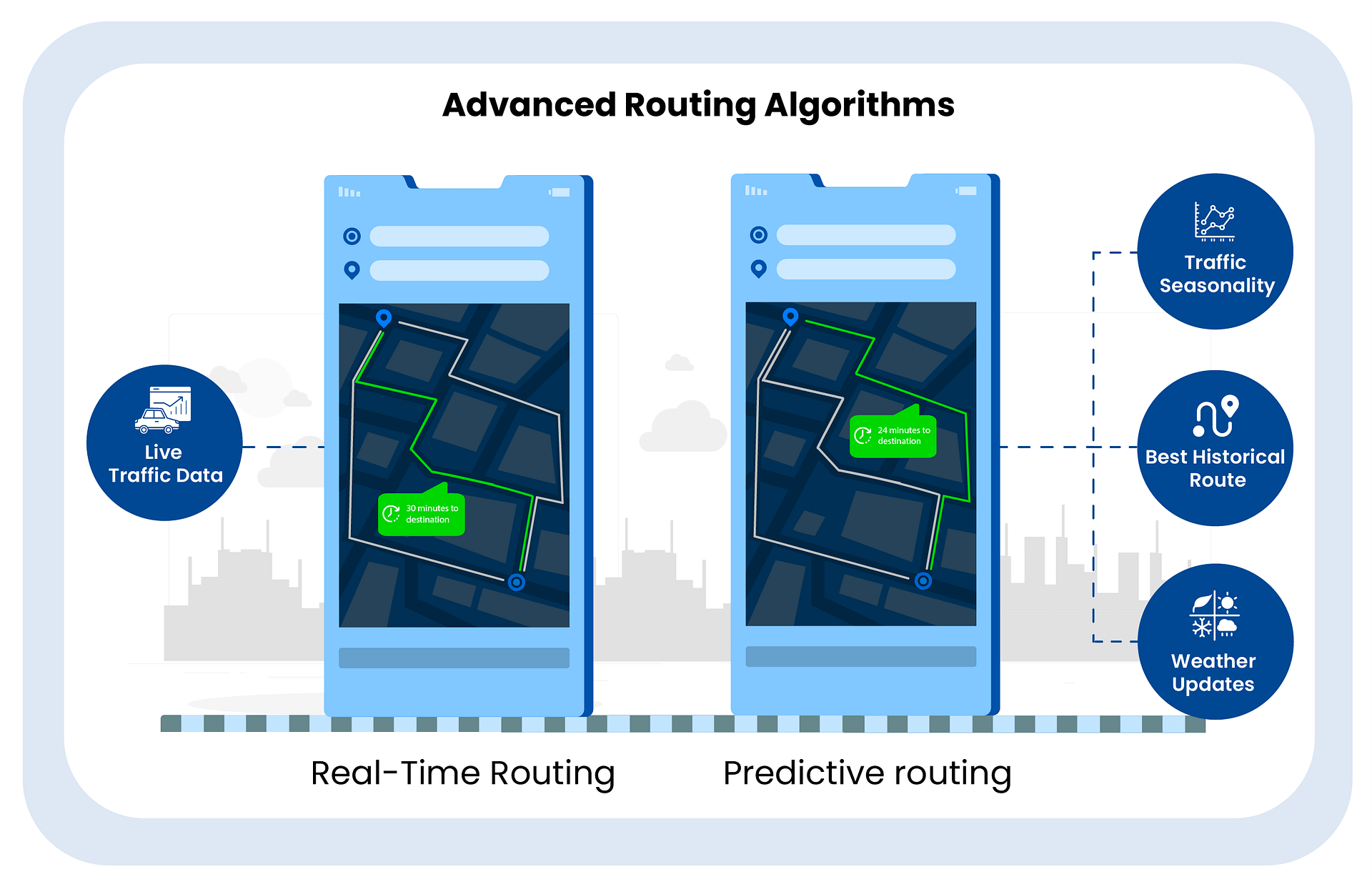
Effective monitoring and real-time adjustments are key to maintaining efficient freight routing. Your freight routing system should have:
Multiple Shipment Monitoring Technologies:
- ELD (Electronic Logging Devices): Track driving hours, vehicle status, and compliance with regulations.
- Mobile Tracking: Use mobile apps to monitor vehicle locations and driver activities in real-time.
- IoT Tracking: Utilize IoT sensors for precise location data and condition monitoring of shipments.
- Satellite Tracking: Employ satellite tracking for enhanced visibility, especially in remote areas where other tracking methods may be less effective.
Dynamic Routing:
- Adjust Routes Based on Real-Time Conditions: Leverage dynamic routing to make real-time adjustments based on traffic, weather, and other changing conditions, ensuring timely and efficient deliveries.
Predictive Routing:
- Optimize Routes Using Historical Data and Trends: Use predictive analytics to forecast potential issues and optimize routes before problems arise. This proactive approach helps avoid delays and ensures timely deliveries.
Step 5: Evaluating Performance and Making Improvements
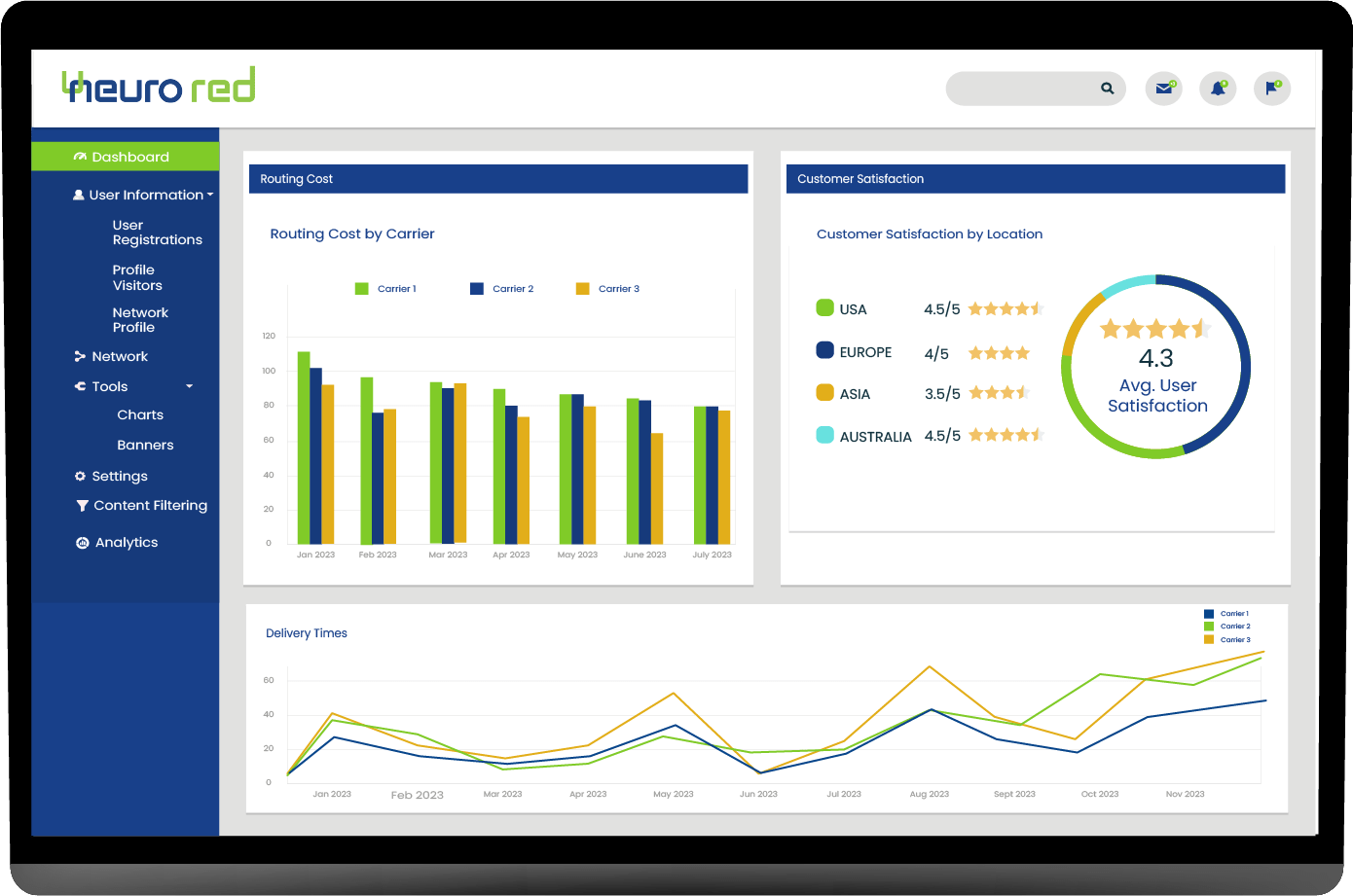
Regularly evaluating the performance of your routing strategy is essential for continuous improvement. Track key performance indicators and adjust strategies based on data-driven insights.
Key Performance Indicators (KPIs):
- Track KPIs such as delivery times, costs, and customer satisfaction to measure the effectiveness of your routing strategy
- Compare current performance against the baseline established during the initial assessment.
Continuous Improvement:
- Regularly review performance data and make necessary adjustments to improve efficiency
- If delivery times are still high, re-evaluate your routing methods or consider additional optimization tools.
Common Mistakes to Avoid
Identifying and avoiding common pitfalls can save time, reduce costs, and enhance the efficiency of your freight routing.
Identifying Pitfalls:
- Ignoring Data: Failing to use data for route optimization can lead to inefficiencies.
- Poor Communication: Lack of communication among stakeholders can cause delays and errors.
- Neglecting Sustainability: Ignoring eco-friendly practices can result in higher costs and regulatory issues.
Tips for Success:
- Leverage Data: Use data analytics for informed decision-making.
- Enhance Communication: Implement collaborative tools for seamless information sharing.
- Adopt Green Practices: Integrate sustainability into your routing strategy.
Conclusion
A well-planned and executed freight routing strategy can significantly enhance logistics operations, reduce costs, and improve customer satisfaction. By following this step-by-step guide, you can optimize your routing processes and achieve your logistics goals.
Stay Tuned for Our Next Post: Challenges and Future Trends in Freight Routing
Schedule your demo today!

Ricardo Medem
Share Article



Let’s Get Started
Schedule a Demo Now