
Are You Prepared for the Next Supply Chain Disruption?
Disruptions are not rare accidents anymore. They are part of how supply chains work today. Trade disputes, pandemics, labor strikes, floods, and cyberattacks. Every year brings a new test.
The lesson is clear. Resilience cannot be built in the middle of a crisis. It has to be built before.
The Risks Supply Chains Face Today
Geopolitics and Regulation
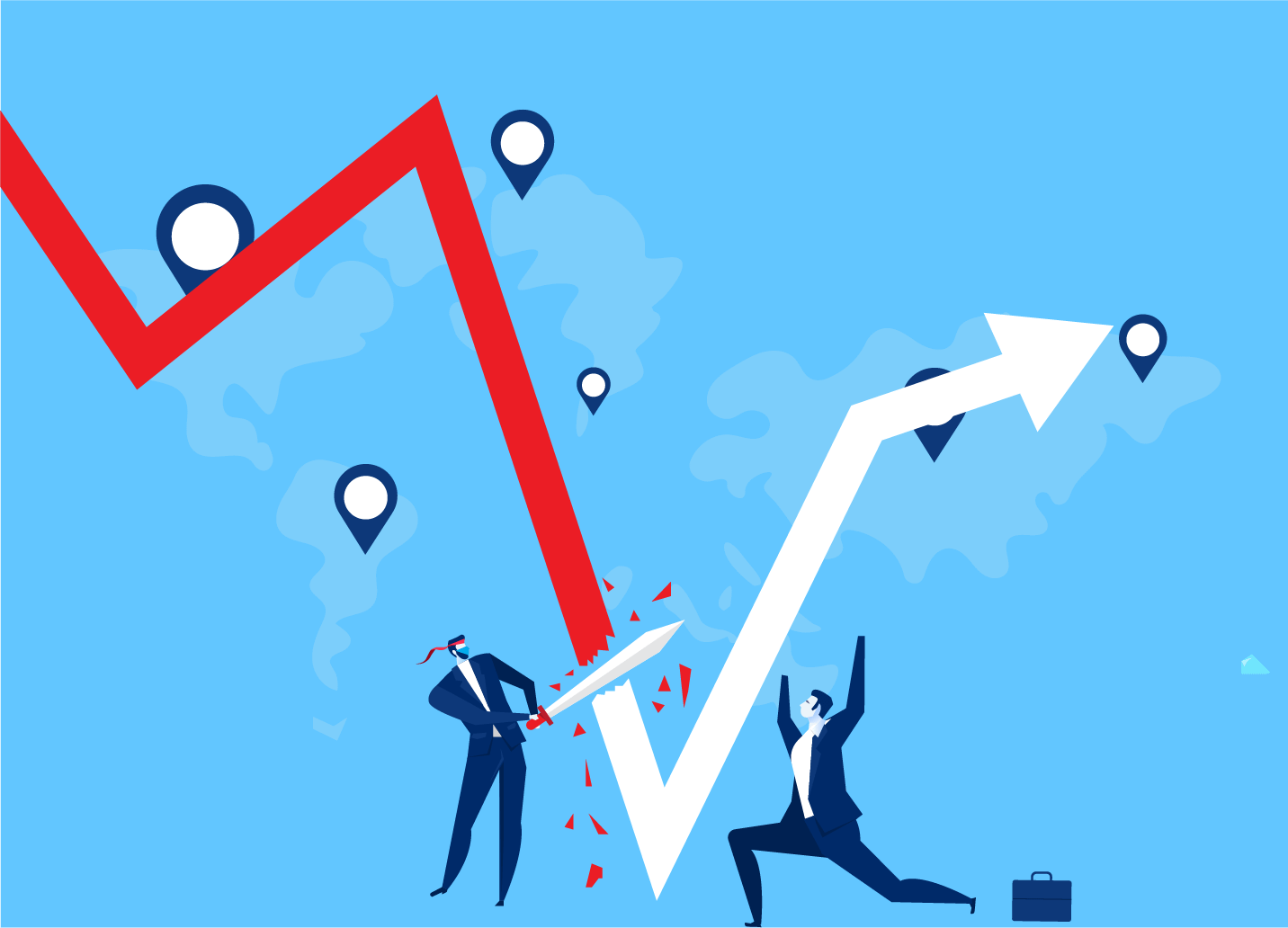
Tariffs, sanctions, and shifting customs rules raise costs and slow down flows. Carbon reporting mandates add yet another layer of complexity. A single announcement from a regulator can redraw your routing map overnight.
We saw this during the US-China tariff dispute. Many companies suddenly faced 20 percent higher costs on lanes they had relied on for years. Those without alternatives scrambled, cutting margins just to hold onto contracts. Those who had already modeled the impact and had Multimodal Transportation Optimization tools were able to shift volumes to different suppliers and carriers in weeks, not months.
The question is not whether these rules will change. It is whether you can re-route and re-price quickly enough to protect margins when they do.
Pandemics, Strikes, and Closures
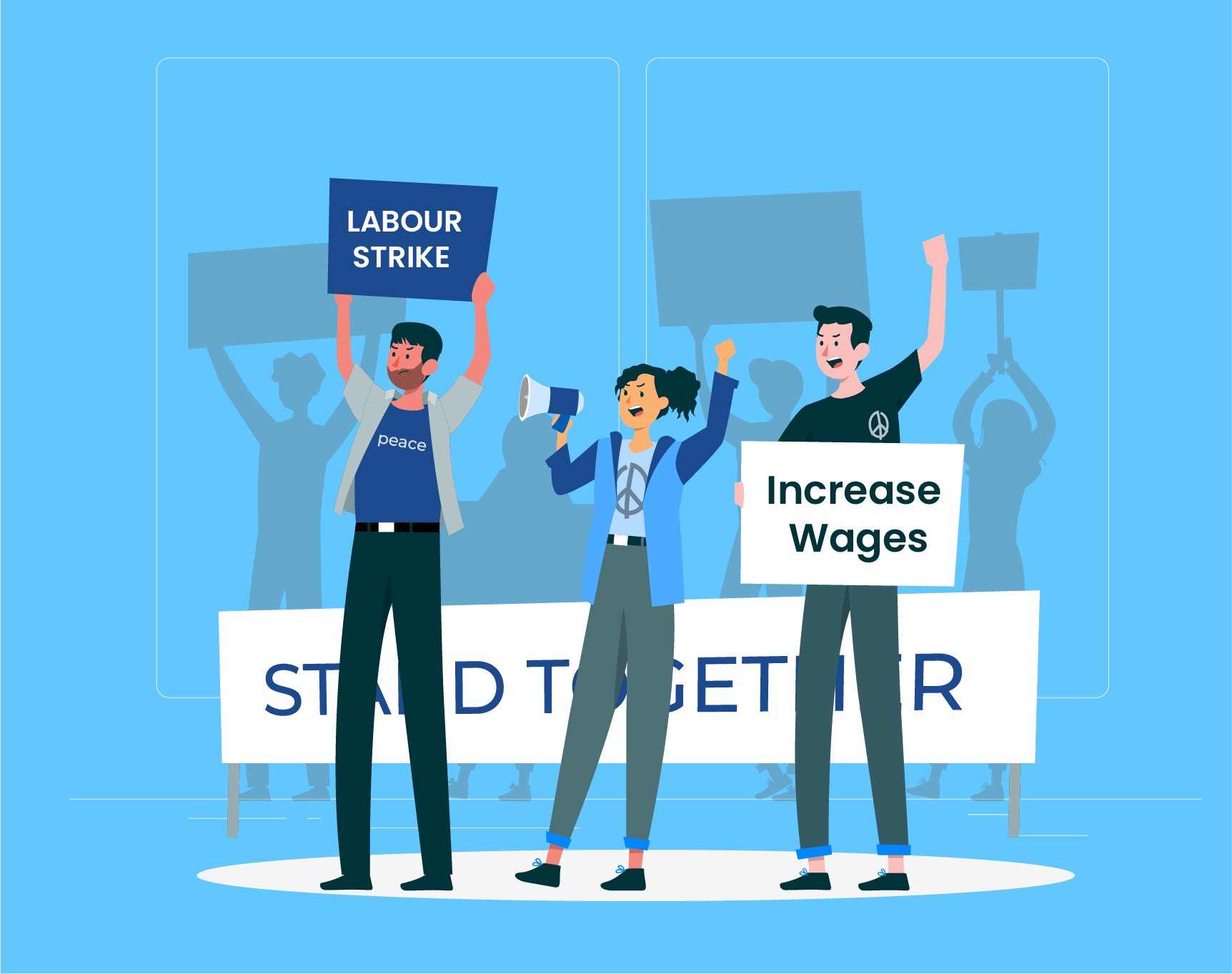
COVID showed how fragile networks really are. Ports shut down, factories closed, and planes stopped flying. But even without a pandemic, a strike at a single hub can create chaos.
In 2022, a labor action at the Port of Felixstowe in the UK left hundreds of ships waiting offshore. Some companies rerouted quickly to continental Europe, while others were left with containers piling up on docks. The difference was not luck. It was preparation.
As a leader, do you know the revenue impact if two of our top ports close for 30 days? If the answer is not accessible through a simulation on your current systems, it may be the right time to invest in a TMS that won’t fail you during tough times. Companies that run scenarios in advance know exactly which contracts to activate and which partners to call when a hub goes down.
Climate and Extreme Weather
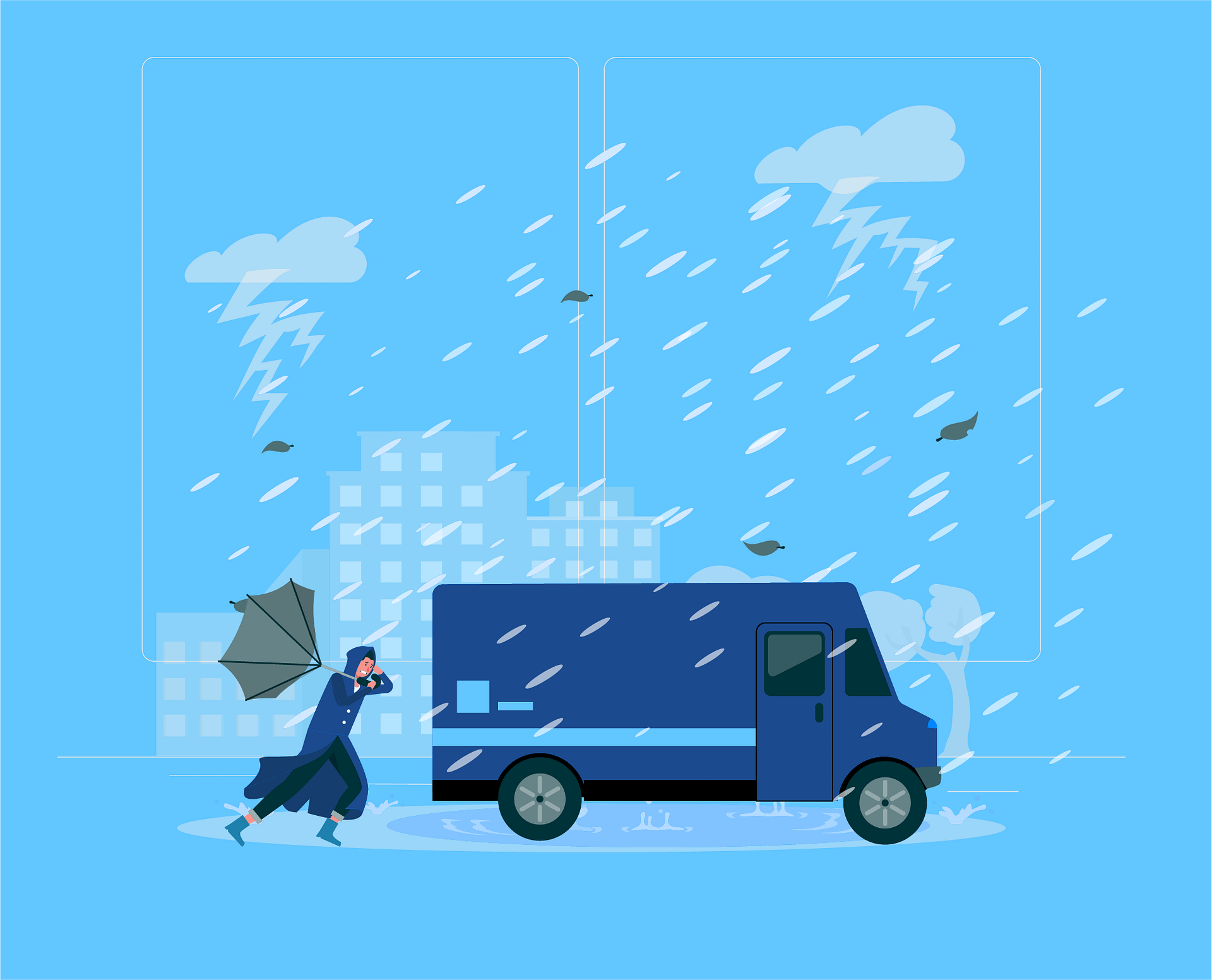
Floods, hurricanes, and wildfires are no longer exceptions. They are seasonal events. They damage facilities, disrupt transport corridors, and cut off suppliers.
A hurricane that closed Gulf Coast ports forced some shippers to reroute through Mexico. Those with live visibility and predictive alerts were able to warn customers of delays, adjust schedules, and keep confidence intact. Those without visibility only knew there was a problem when customers started calling.
Metrics like carbon footprint monitoring become especially important in regions hit by climate disasters, and advanced Supply Chain Visibility Software includes detailed carbon tracking to help businesses comply with environmental requirements and qualify for tax credits.
It’s best to have a system that helps you figure out which parts of your supply chain are most climate-exposed, and what fallback options exist.
Cybersecurity and Outages

When systems fail, freight stops. Ransomware and downtime do not just slow things down. They stop bookings, hide visibility, and undermine customer trust.
A large European forwarder learned this the hard way when a ransomware attack shut down operations for several days. Bookings stopped, emails piled up, and visibility was gone. Some customers moved their business elsewhere. Meanwhile, companies running on secure, scalable platforms with strong integrations kept going with minimal interruption.
If your TMS went offline for 48 hours, how would it affect your business?
That is why aligning technology with strategy matters. A TMS built on secure, enterprise-grade infrastructure, with proven integrations and scalability, is far less likely to buckle under stress. When technology is treated as a strategic enabler instead of a tactical purchase, outages become far less of a threat.
We’ve explored this more in our post on aligning TMS software with business strategy. The lesson is simple: resilience starts long before disruption hits. It starts with the systems you choose to run the business.
How Companies Are Adapting
Broadening Supplier and Carrier Options
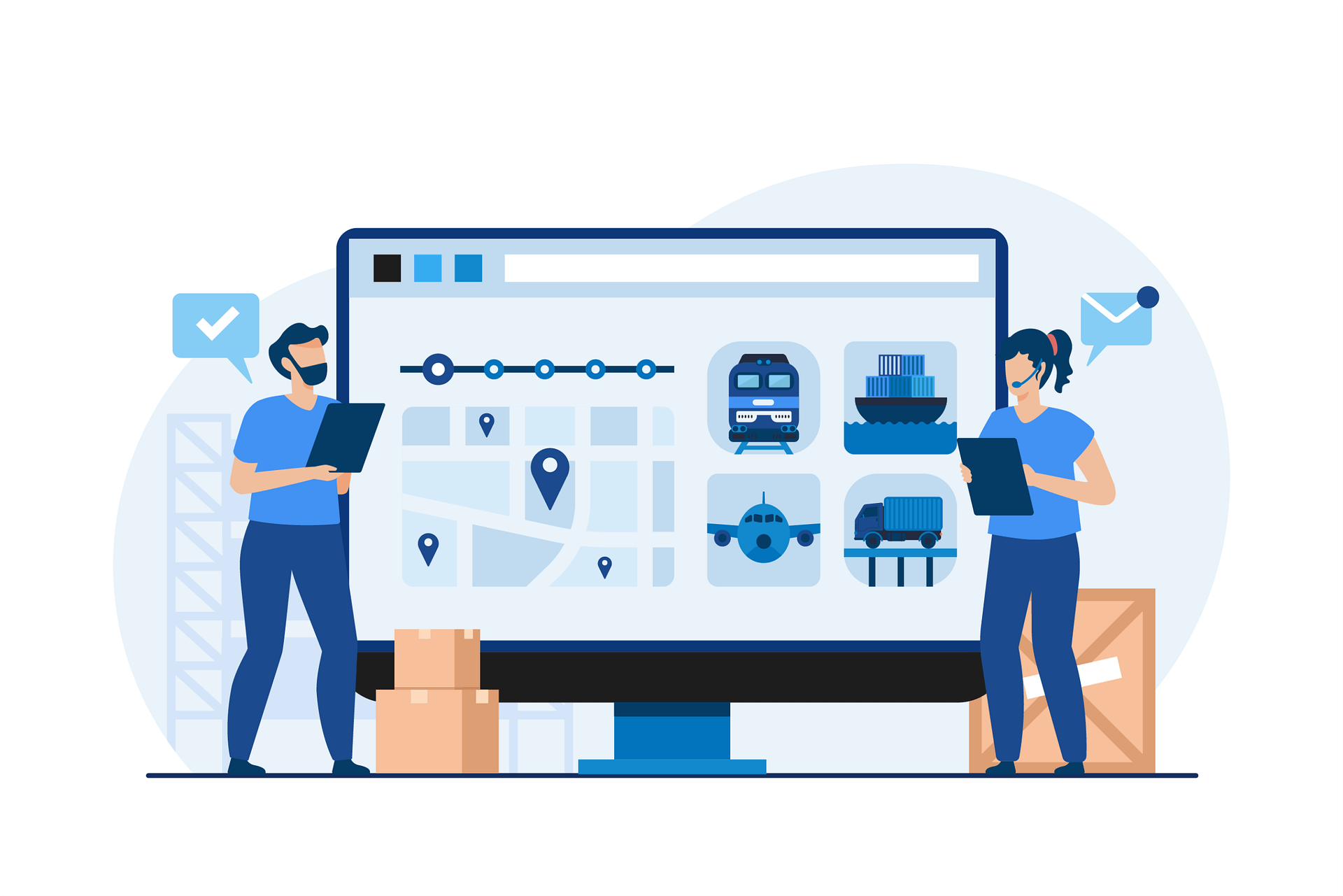
On paper, diversifying suppliers and carriers sounds straightforward. In practice, it can feel impossible. Most companies already struggle to keep track of contracts, rates, and performance with their existing partners. Adding more often means more spreadsheets, more phone calls, and more complexity.
That is why many organizations stay locked into a handful of partners. Not because it is cheaper, but because without the right system, managing alternatives at scale is unmanageable.
With Supplier Relationship Management tools that centralize supplier and carrier information, the picture changes. You can compare options side by side, activate alternate routes quickly, and keep every partner aligned through shared platforms. Having options stops being theoretical; it becomes an operational reality.
Staying Lean Without Becoming Fragile
Running lean saves money, but it leaves no room for shocks. Holding too much ties up cash. The real advantage is the ability to adjust quickly.
A global food distributor once ran its supply chain razor-thin. It was efficient, but when demand spiked suddenly, they could not move product fast enough. Shelves went empty. After adopting Neurored’s forecasting and capacity planning solution, they began running lean during normal times, but with the flexibility to scale capacity when volatility hit.
That flexibility protected margins while keeping customers supplied.
Keeping Customers Confident
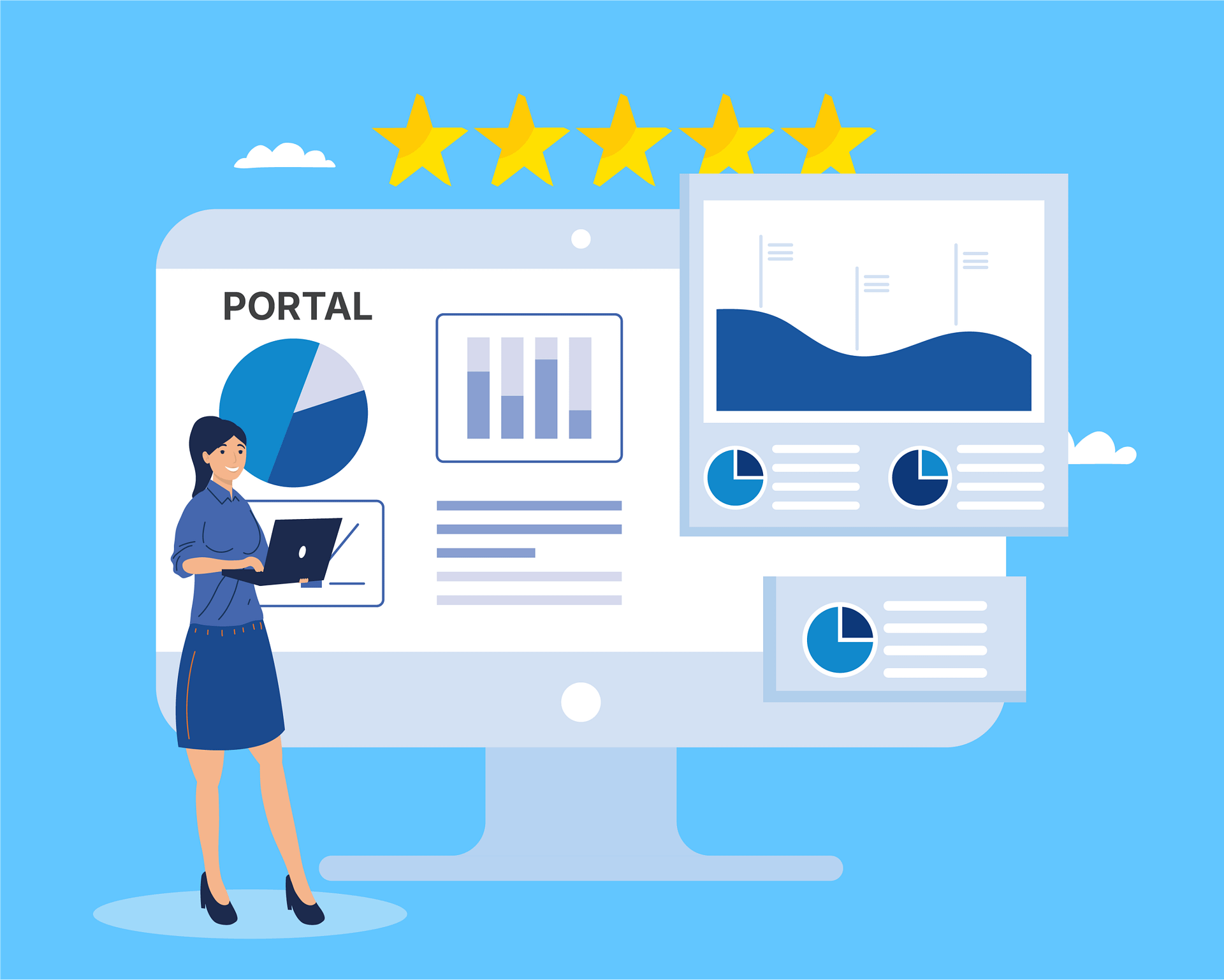
In disruption, silence kills trust. Customers do not expect perfection, but they expect transparency.
During a port strike in South America, two companies faced the same problem: container ships trapped offshore. One stayed silent until customers complained. The other used a control tower to track delayed containers themselves and offered real-time, proactive visibility, updates, and alternate delivery timelines through their branded Supply Chain Collaboration Portal.
Guess which company retained its contracts?
Digitization for Preparedness
Preparedness is not about reacting faster than the next company. It is about building systems that let you see further, decide faster, and keep running when disruption hits. That is what digitization makes possible.
Planning With What-If Scenarios
Disruption is inevitable. The only question is whether it will catch you by surprise. Companies that run What-If Scenarios already know the answers.
What if tariffs rise by 20 percent? What if a strike shuts your busiest port? What if demand spikes overnight? With Neurored’s Forecasting and Supply Chain Synchronization, demand plans are tied directly to carrier capacity, and partners are aligned on a common response.
These simulations turn uncertainty into preparation. “What if” stops being a question. It becomes a plan waiting to be executed.
Making Decisions With Data
In a crisis, bad data is worse than no data. Delays, shortages, and rising costs can all look the same without clear visibility. The result is guesswork, and guesswork is expensive.
The companies that lead with data see reality as it unfolds. Live dashboards track supplier reliability, shipment status, and available capacity in real time. Predictive analytics flag bottlenecks before they escalate and show the financial impact of different choices.
This is where Neurored’s Control Tower changes the game. Instead of chasing information, leaders see it all in one place, with alerts tied to action. Decisions shift from reactive firefighting to deliberate, confident moves that protect both margins and trust.
Staying Reliable Under Stress
Even the best scenarios and dashboards mean little if the system itself collapses under pressure. Ransomware, downtime, or brittle homegrown tools can bring operations to a halt when you need them most.
Resilience depends on reliability. That is why Neurored’s TMS is built on Salesforce and AWS, combining enterprise-grade security with global scalability. Deep integration across ERP, WMS, and CRM systems ensures that data remains coherent and workflows stay intact, even during disruption.
The result is continuity. While others scramble to recover, your operations keep moving. Reliability is not the final layer of resilience. It is the foundation that makes everything else possible.
A More Resilient Future
You cannot control the storm, but you can decide how well your business weathers it.
Preparedness today means running scenarios before the crisis, making decisions with live data, and relying on systems strong enough to keep operating under stress. It means being able to re-route and re-price when regulations shift, to adapt quickly when a port closes, to understand the carbon cost of rerouting, and to keep customers informed instead of leaving them in the dark.
This is exactly what we built Neurored TMS & SCM to do. Forecasting and synchronization help you balance demand with carrier capacity. A control tower gives you visibility and proactive alerts. And the secure foundation of Salesforce and AWS ensures operations stay steady when the pressure is highest.
You cannot stop the next disruption. But you can choose whether it becomes a crisis or a moment that proves your business was built to withstand it.
If you want to see how Neurored TMS & SCM can strengthen your supply chain resilience, schedule a call with us. Let’s explore how preparation today can secure your advantage tomorrow.
Schedule your demo today!

Ricardo Medem
Share Article



Let’s Get Started
Schedule a Demo Now