
How to Implement Advanced Freight Routing Systems – Step-by-Step Guide
Step 1: Assess Your Current Routing System
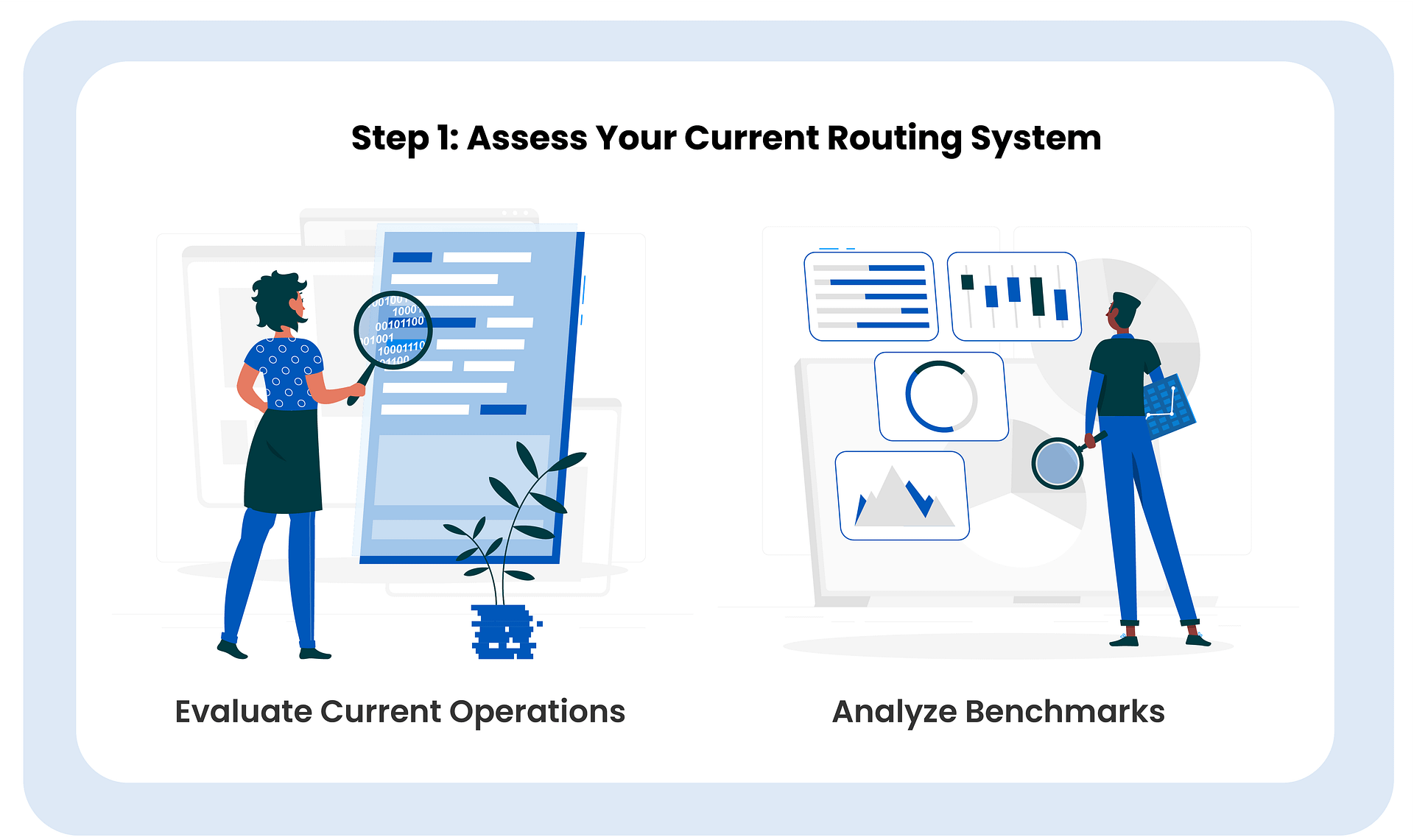
Evaluate Current Operations
- Identify Pain Points: Look for frequent delivery delays, high transportation costs, and customer dissatisfaction.
- Gather Data: Collect data on delivery times, costs, and customer feedback to understand current performance metrics. This data not only provides a baseline for measuring improvement but also helps justify the need for the project by highlighting existing inefficiencies and potential areas for cost savings.
Analyze Benchmarks
Compare your performance metrics against industry benchmarks to identify areas for improvement. Sample benchmarks include:
- Average Delivery Time: Industry standard might be 24-48 hours for local deliveries and 3-7 days for international shipments.
- Cost Per Mile: Typical benchmarks can range from $1.50 to $2.50 per mile, depending on the type of freight and region.
- Customer Satisfaction Rate: Aim for a satisfaction rate of 90% or higher.
Step 2: Define Your Objectives
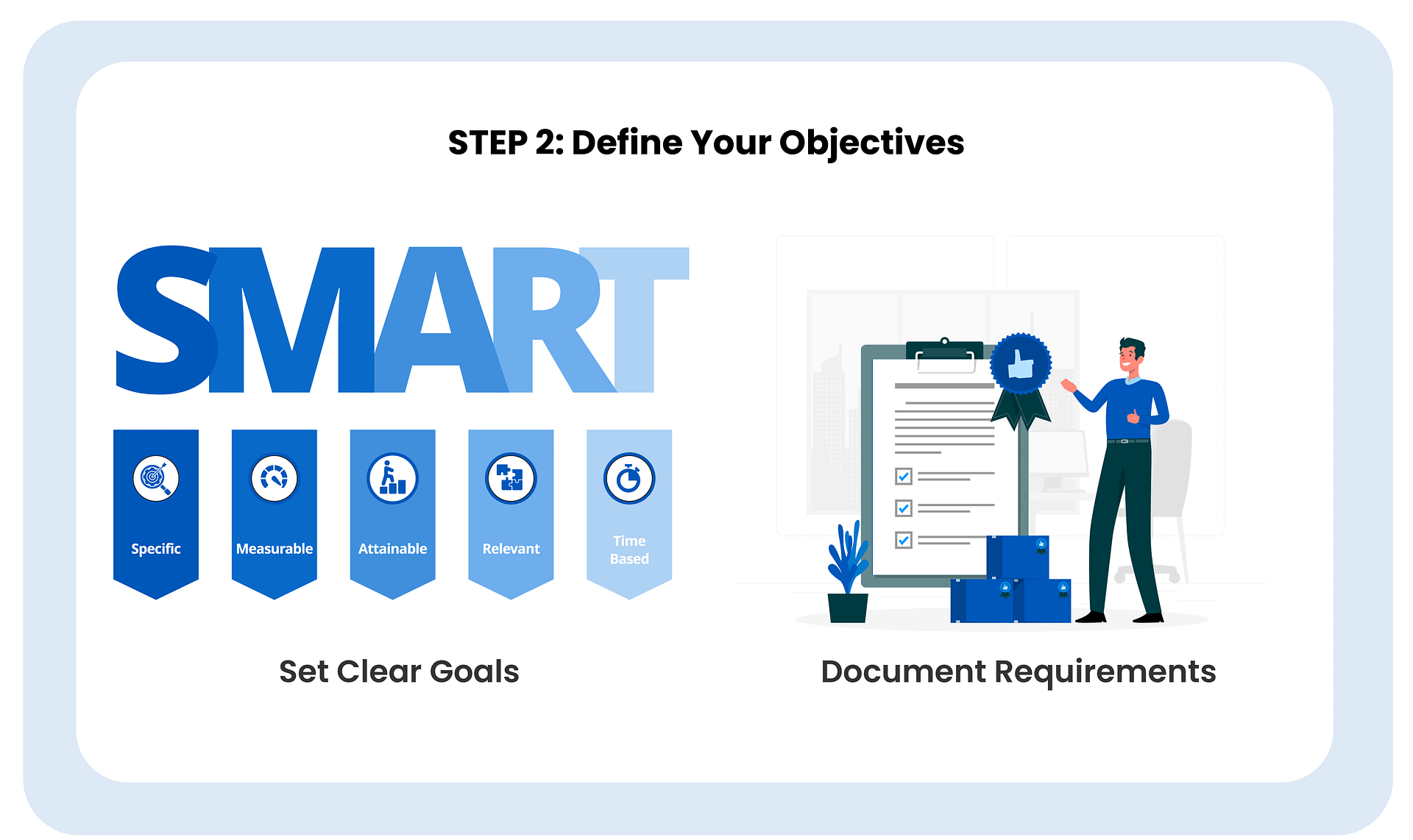
Set Clear Goals
- SMART Goals: Use Specific, Measurable, Achievable, Relevant, and Time-bound (SMART) criteria to define your objectives.
- Example: Reduce delivery times by 20% within six months.
- Example: Lower transportation costs by 15% over the next quarter.
Analyze Benchmarks
Document Requirements
- Define Must-Have vs. Nice-to-Have Features: Clearly separate the essential features from the desirable ones. This helps prioritize the selection process and ensures critical needs are met.
- Assess Software Readiness: Evaluate the readiness of each potential solution by categorizing features as:
- Out-of-the-Box: Features readily available without modification.
- Configurable: Features that can be tailored to your needs with minor adjustments.
- Customizable: Features that require significant development to meet your requirements.
- Third-Party Integration: Features provided through integration with third-party solutions.
- Absent: Features that are not available and may require alternative solutions or compromises.
Step 3: Choose the Right Technology
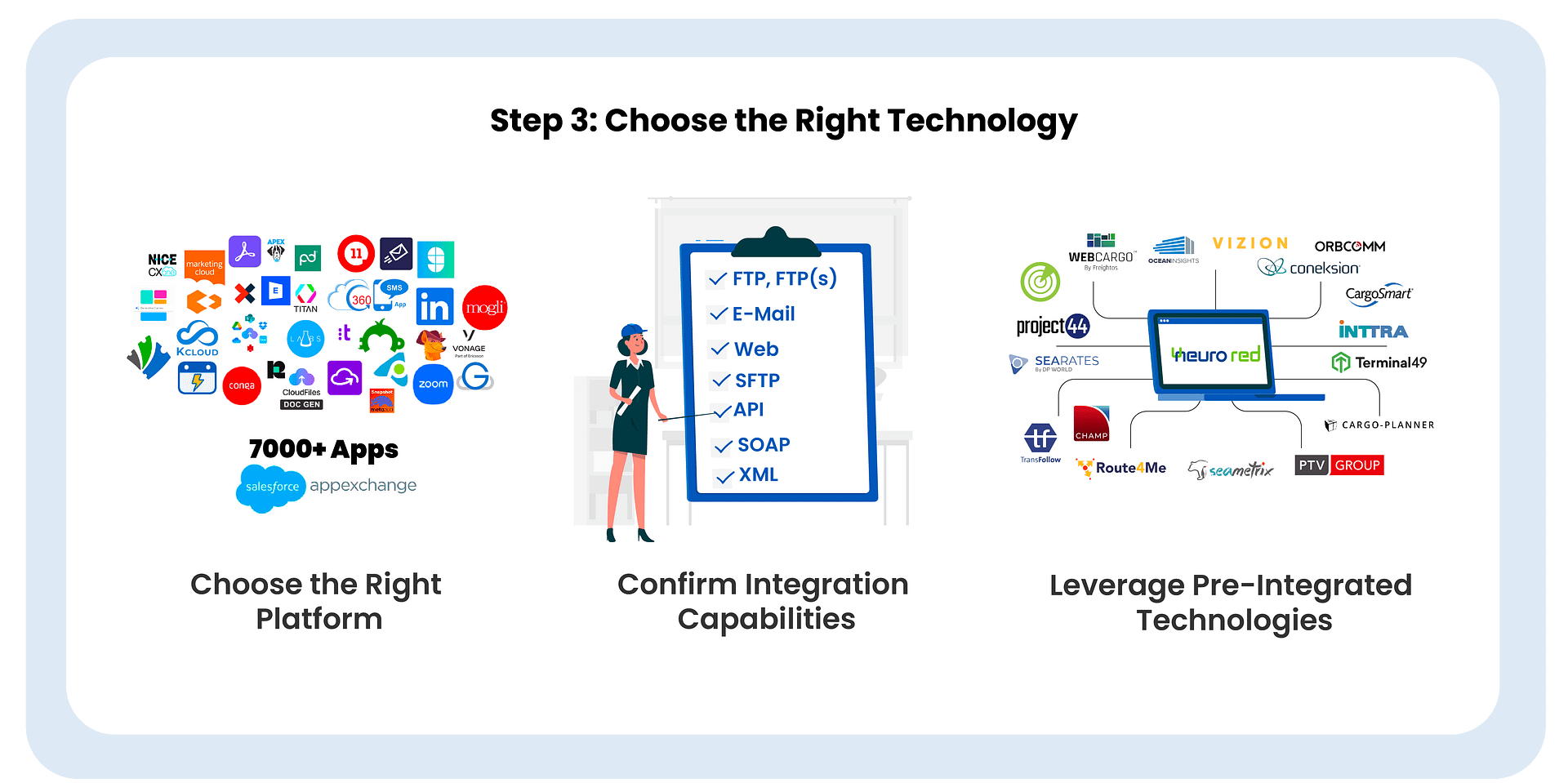
Choose the Right Platform
Choosing a solution on a cloud platform like Salesforce AppExchange (The world's #1 Business Apps Marketplace) gives you access to an extensive ecosystem of over 7,000 applications when you want to scale your business. Additionally, since all solutions are built using the same platform, there are minimal IT disruptions, as everyone uses the same underlying technology.
Confirm Integration Capabilities
Ensure the software can integrate with your existing ERP, WMS, and CRM systems to provide a unified platform.
A robust TMS like Neurored will give you access to the following integration protocols:
- File Transfer Protocols: Including FTP, FTP(s), E-Mail, and Web.
- Machine-to-Machine Protocols: Including SFTP, API (Webservices), SOAP, & REST
- File Formats: Including EDI, CSV, Delimited files, XML, and JSON.
Leverage Pre-Integrated Technologies
Solutions like Neurored TMS & SCM come pre-integrated with leading niche logistics technologies, simplifying the integration process and ensuring seamless operation with best-in-class tools for Freight Rates Sourcing, Scheduling, Bookings, Tracking, Forecasting, Routing, and Compliance.
Key Features to Consider
Look for software solutions that offer dynamic routing, real-time tracking, and predictive analytics.
- Real-Time Tracking: Monitor shipments throughout their journey using GPS, IoT, and satellite tracking.
- Dynamic Routing Algorithms: Optimize routes in real-time based on current conditions.
- Predictive Analytics: Use historical data to forecast potential issues and optimize routes proactively.
Step 4: Plan the Integration
Develop an Integration Plan
- Phased Rollout: Plan a pilot program to test the new system in a controlled environment.
- Stakeholder Involvement: Involve key stakeholders, including IT, logistics, and customer service teams, to ensure a smooth transition.
Pre-Implementation Workshop
- Clarify Requirements: Conduct a pre-implementation workshop to dig deeper and clarify the specific requirements of your business. This step is essential for ensuring that the solution aligns with your needs.
- Evaluate Fit: A good software company will facilitate a workshop without pressuring you to commit, allowing you to realize if the solution is the right fit for your business.
Step 5: Implement the System
Roll Out the New System
- Pilot Program: Begin with a pilot program to gather feedback and make necessary adjustments. Pilot programs are essential for testing the solution in a real-world environment and making iterative improvements before a full-scale rollout.
- Full-Scale Rollout: Gradually expand the implementation to all regions and operations based on the pilot program's success.
Training and Support
- Conduct Training Sessions: Provide comprehensive training to ensure your team is comfortable using the new system.
- Ongoing Support: Offer continuous support and resources to address any issues during the implementation phase.
Monitor and Adjust
- Real-Time Monitoring: Use the system's real-time tracking capabilities to monitor performance and address issues as they arise.
- Dynamic Adjustments: Adjust routes dynamically based on real-time conditions to ensure optimal efficiency.
Step 6: Evaluate Performance

Track Key Performance Indicators (KPIs)
- Delivery Times: Measure improvements in delivery times against your initial benchmarks.
- Cost Reduction: Track reductions in transportation costs and compare them to your SMART goals.
- Customer Satisfaction: Monitor customer feedback to gauge improvements in satisfaction levels.
Step 7: Scale and Innovate
Scale your cloud-based solution across all regions and operations to ensure the system benefits are realized globally.
Continuous Improvement
- Regular Reviews: Conduct regular reviews to assess the system's performance and identify areas for further optimization.
- Innovation: Continuously work with your technology partner to explore new technologies and innovations to enhance your routing system further.
- Update and Upgrade: Stay updated with the latest advancements in routing technology and integrate new features as needed.
Conclusion
Implementing advanced freight routing systems involves a comprehensive approach, from assessing current operations to continuous monitoring and optimization. By following these steps, you can significantly improve your logistics operations, reduce costs, and enhance customer satisfaction.
Schedule your demo today!

Ricardo Medem
Share Article



Let’s Get Started
Schedule a Demo Now