
A Comprehensive Guide to Freight Routing in the Logistics Industry
What is Freight Routing?
Freight routing is the process of determining the most efficient path for transporting goods from one location to another. In the logistics industry, effective freight routing is crucial for cost reduction, time management, and overall operational efficiency.
Key Stakeholders in Freight Routing
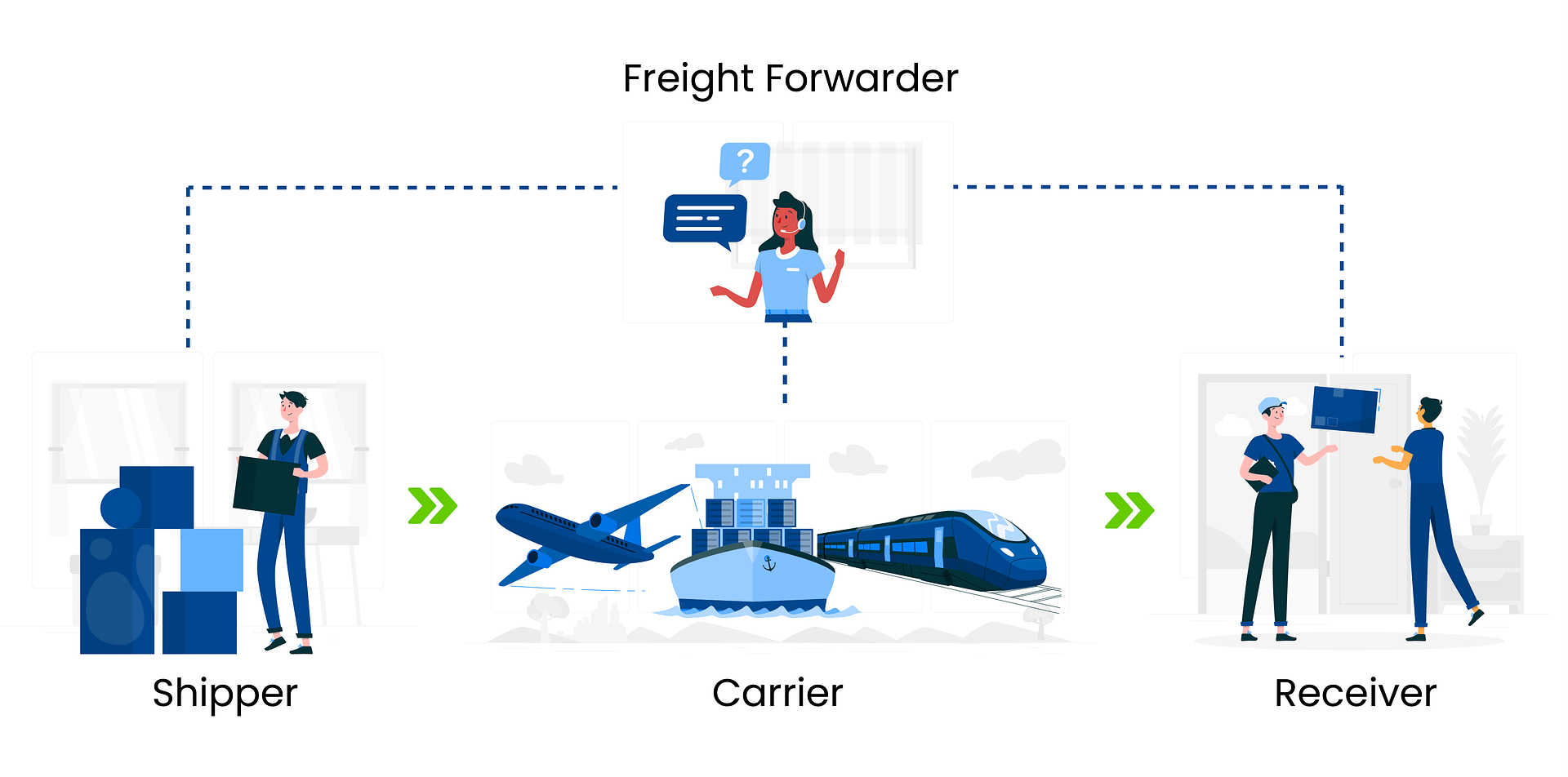
Effective freight routing involves various stakeholders, each playing a vital role in the process:
Shippers: Individuals or companies that need to transport goods. They initiate the process and provide essential details about the shipment.
Carriers: Companies that own the transportation means (trucks, ships, planes). They are responsible for the actual movement of goods.
Freight Forwarders: Intermediaries who arrange the transport of goods on behalf of shippers. They handle logistics, documentation, and ensure compliance with regulations.
Receivers: The final recipients of the transported goods. Their satisfaction is critical for the success of the routing process.
Overview of the Freight Routing Process
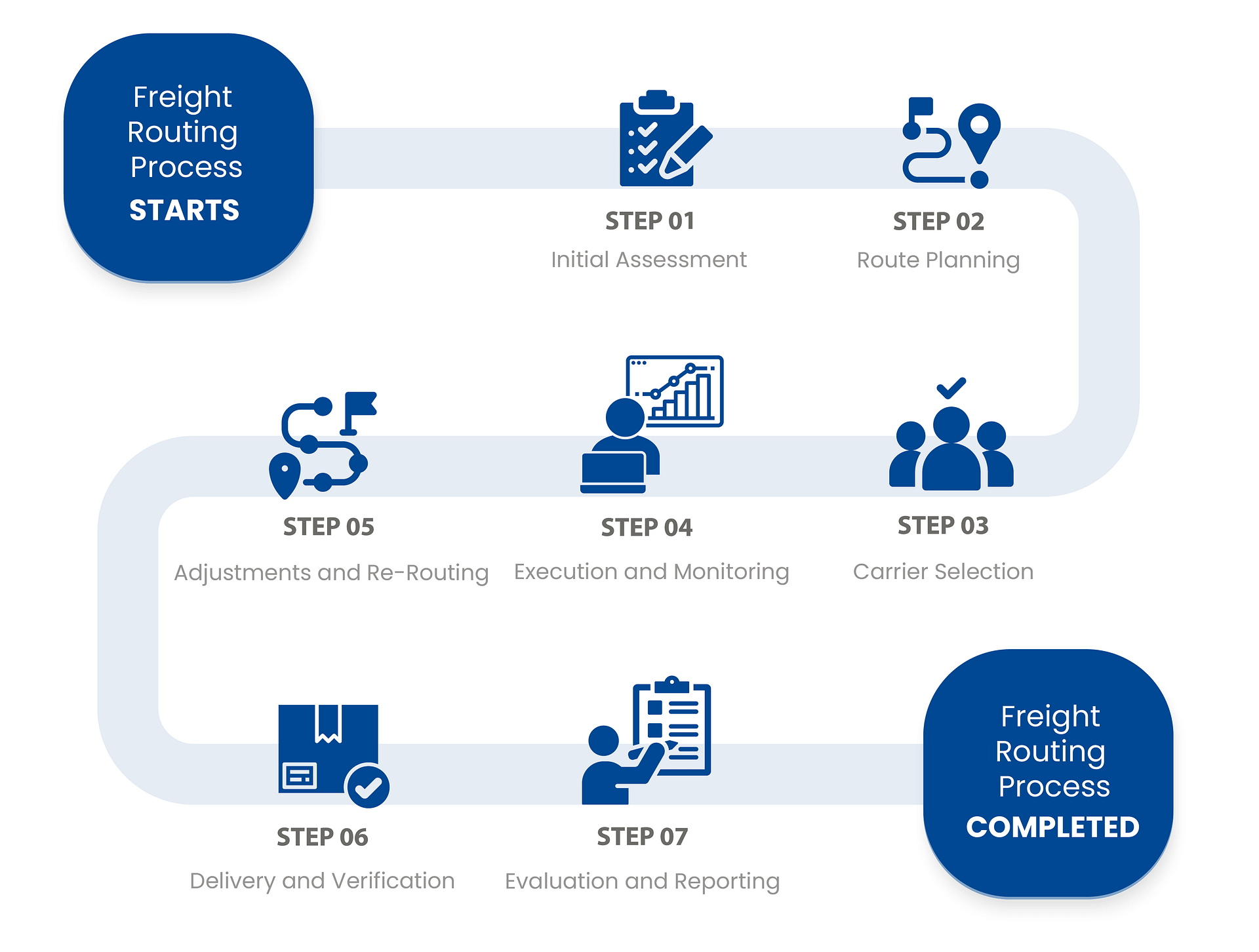
1. Initial Assessment
- Evaluate the shipment requirements, including the type of goods, volume, weight, and any special handling needs.
- Gather necessary documentation and compliance information for the goods being transported.
2. Route Planning
- Use routing software to plan the most efficient path considering factors such as distance, road conditions, traffic, and delivery windows.
- Include potential contingencies for unforeseen delays like weather or road closures.
3. Carrier Selection
- Choose the most suitable carriers based on the shipment's needs and the carriers' capabilities, including their reliability, speed, and cost.
- Negotiate rates and terms with the selected carriers.
4. Execution and Monitoring
- Dispatch the goods and provide the carrier with all necessary documentation.
- Use GPS tracking systems to monitor the shipment in real-time, ensuring it stays on the planned route and schedule.
5. Adjustments and Re-Routing
- Continuously monitor for any issues that could impact the delivery schedule.
- Make real-time adjustments to the route as needed, using dynamic routing tools that factor in current traffic and road conditions.
6. Delivery and Verification
- Ensure the shipment is delivered on time and in good condition.
- Obtain proof of delivery and conduct a final verification to confirm all aspects of the routing and delivery process were successful.
7. Evaluation and Reporting
- Analyze the routing performance, identifying any inefficiencies or issues.
- Generate reports to provide insights and data for future route optimization.
The Evolution of Freight Routing
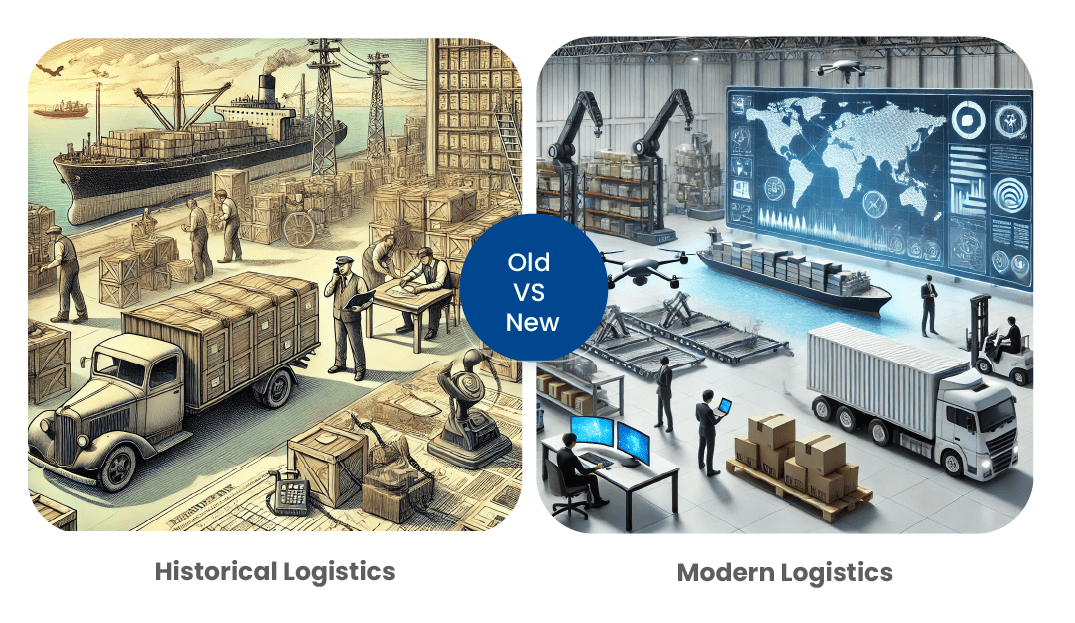
Freight routing has evolved significantly over the years. Let's take a look at how it has transformed:
Historical Perspective
Before modern technology, freight routing was a manual process relying on maps and human intuition. Decisions were often made based on experience and best guesses.
The introduction of the telegraph and rail systems in the 19th century marked the first significant leap in routing efficiency, allowing for faster communication and more reliable transportation.
Modern Advancements
The advent of computers and the internet has revolutionized freight routing. Advanced algorithms and GPS technology enable real-time route optimization, significantly enhancing accuracy and efficiency.
Modern routing software can analyze vast amounts of data, considering variables like traffic, weather, and road conditions, to find the best routes.
Our Recommendation: Neurored TMS & SCM Software
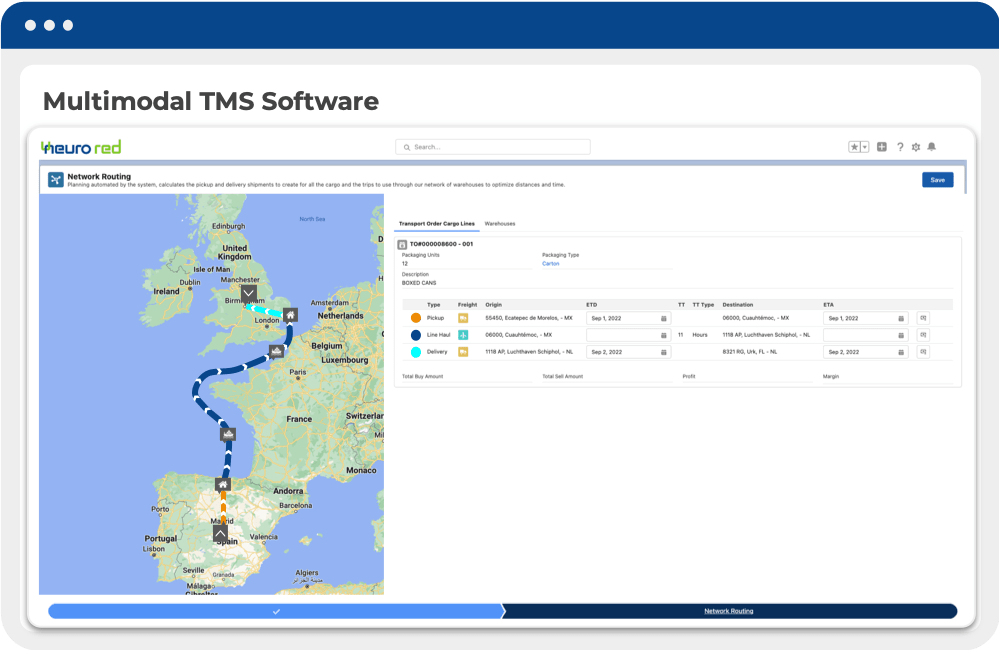
In today's fast-paced logistics environment, having the right tools is crucial. That's why we recommend Neurored TMS & SCM Software for all your freight routing needs. Neurored offers a comprehensive suite of features designed to optimize your routes, reduce costs, and ensure timely deliveries.
Importance of Freight Routing in Logistics
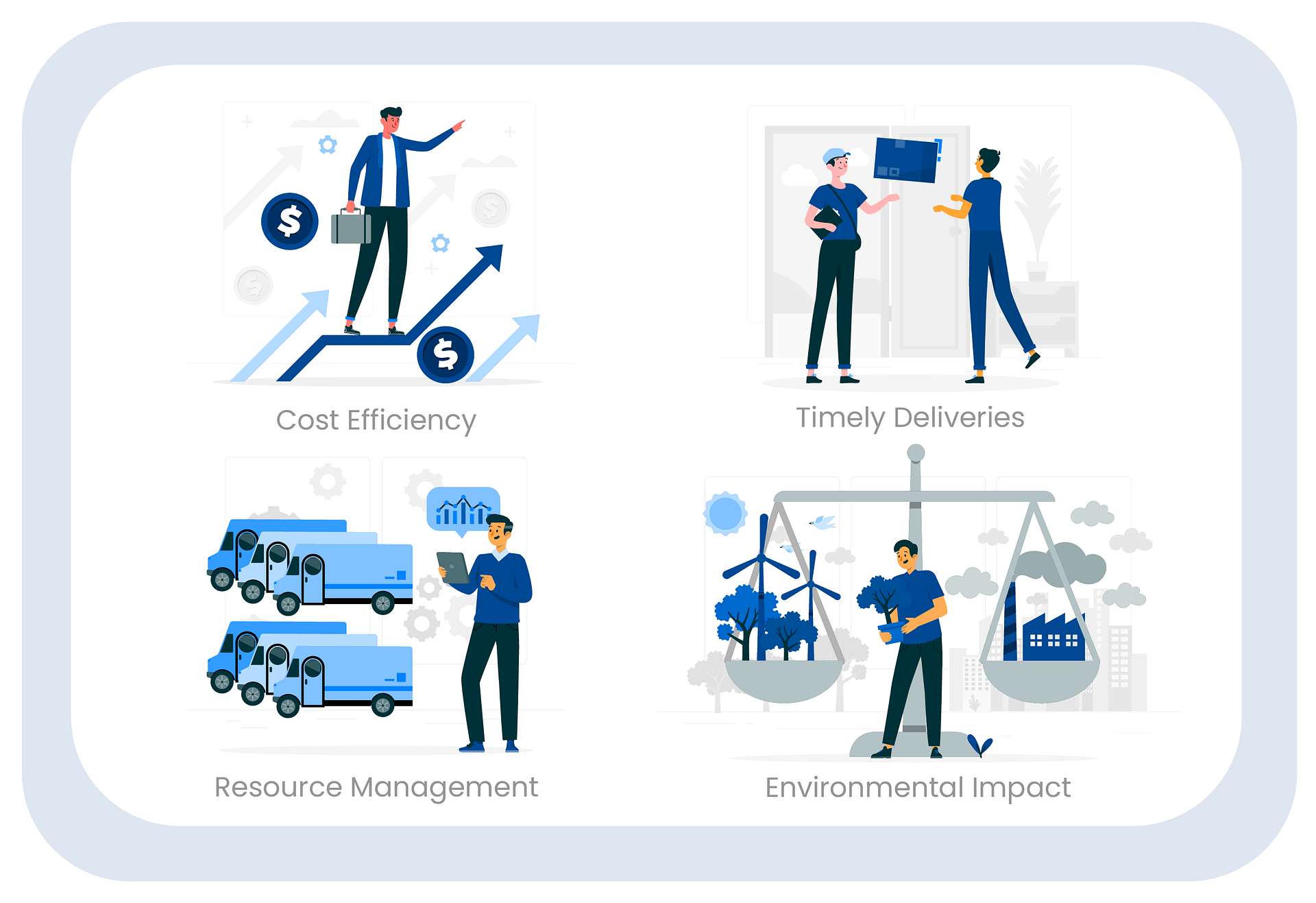
Cost Efficiency
Optimizing routes can lead to significant cost savings by reducing fuel consumption and labor costs. Efficient routing minimizes unnecessary travel distances and maximizes load capacities.
Example: Companies using Neurored TMS & SCM Software reduced their fuel costs by 15% by finding shorter and less congested routes.
Timely Deliveries
Efficient routing ensures goods are delivered on time, enhancing customer satisfaction. On-time delivery is a key performance indicator in logistics.
Example: Companies using Neurored TMS & SCM Software improved their operational efficiency by 54%, resulting in more reliable and timely deliveries.
Resource Management
Proper routing helps in the efficient use of transportation resources, reducing wear and tear and extending the life of vehicles. It ensures that assets are utilized to their fullest potential.
Example: Neurored's fleet management system tracks vehicle performance and schedules maintenance based on actual usage patterns, resulting in 20% miles saved.
Environmental Impact
Optimized routing contributes to reduced emissions by minimizing fuel consumption and unnecessary travel. This helps companies meet sustainability goals and benefit from tax credits.
Example: Neurored TMS & SCM Software helps manage carbon footprints, leading to significant reductions in emissions.
Conclusion
Freight routing is a cornerstone of effective logistics management. By understanding its importance and evolution, stakeholders can appreciate the value it brings to the table and leverage modern tools and technologies to enhance their routing strategies.
Stay Tuned for Our Next Post: Types of Freight Routing – Which Method is Right for Your Business?
Schedule your demo today!

Ricardo Medem
Share Article



Let’s Get Started
Schedule a Demo Now