
Automated Manifest System & ACI eManifest Integration: Why Customs Filing Belongs in Your TMS
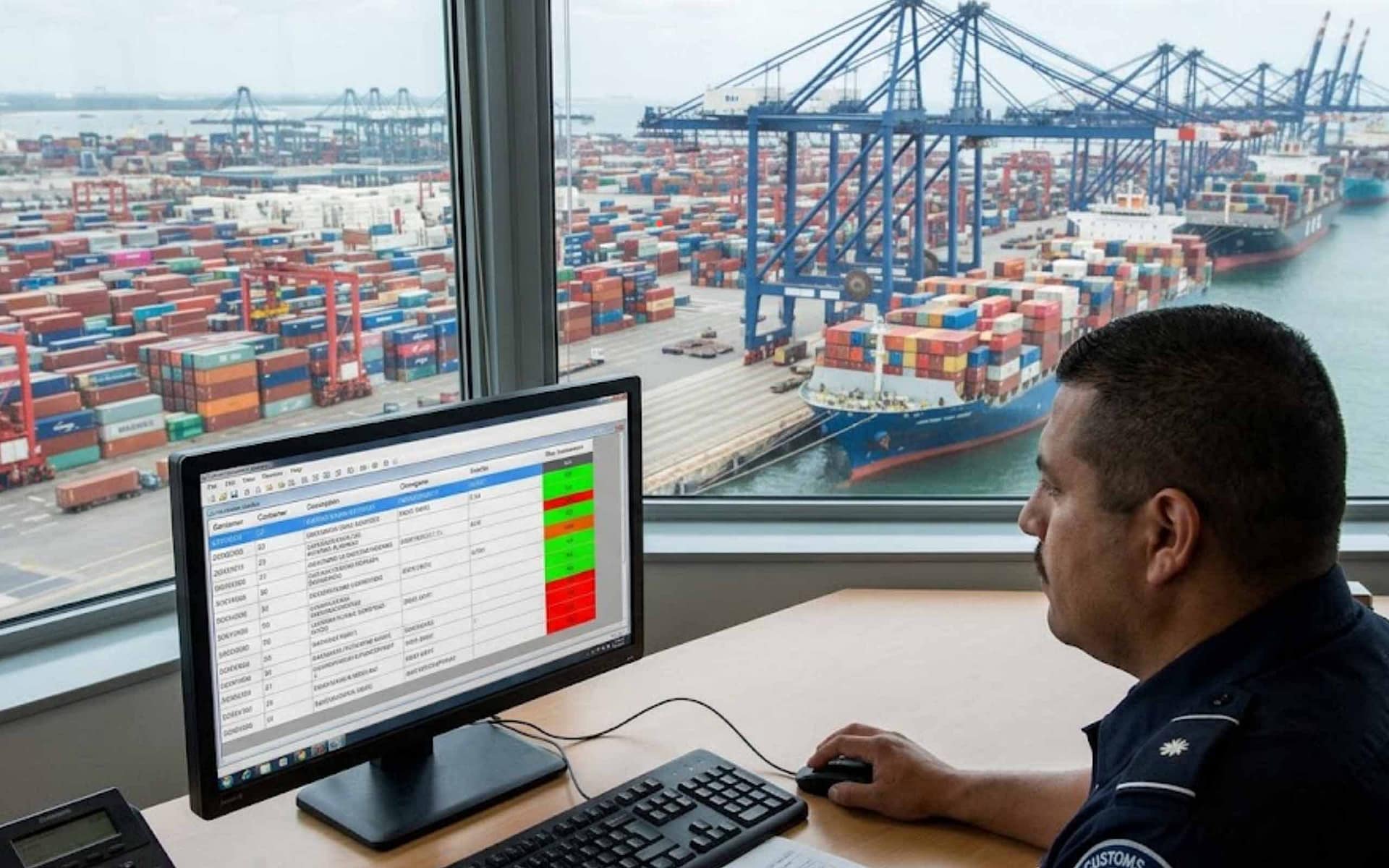
Customs clearance is not always fast, proactive or predictable.
Freight can sit while teams chase status updates, clarify holds, or wait for someone to review the shipment. But for freight moving into the US or Canada, the data still has to arrive early.
Customs wants the shipment data before the freight moves, the vessel is loaded, or the truck reaches the border. And that data has to match the shipment.
The container number, seal number, carrier code, route, cargo description, and House Bills all need to tell the same story. If they don’t, the shipment can slow down or stop.
That’s the real job of the Automated Manifest System (AMS) in the US and Advance Commercial Information (ACI) eManifest in Canada. They’re pre-arrival screening systems that help customs decide if cargo can move, needs review, or gets held.
Most freight forwarders and NVOCCs already have the data they need to file correctly. Then the workflow breaks it apart. The shipment record lives in the transportation management system. The customs filing happens in another tool. Customs responses come back somewhere else.
One carrier update, one copied container number, or one missed Close Message can turn into a delay. So the useful question is not only what these customs programs require.
It’s why customs filing still sits outside the system running the shipment.
‣ Find out why ocean export workflows break and how you can fix them
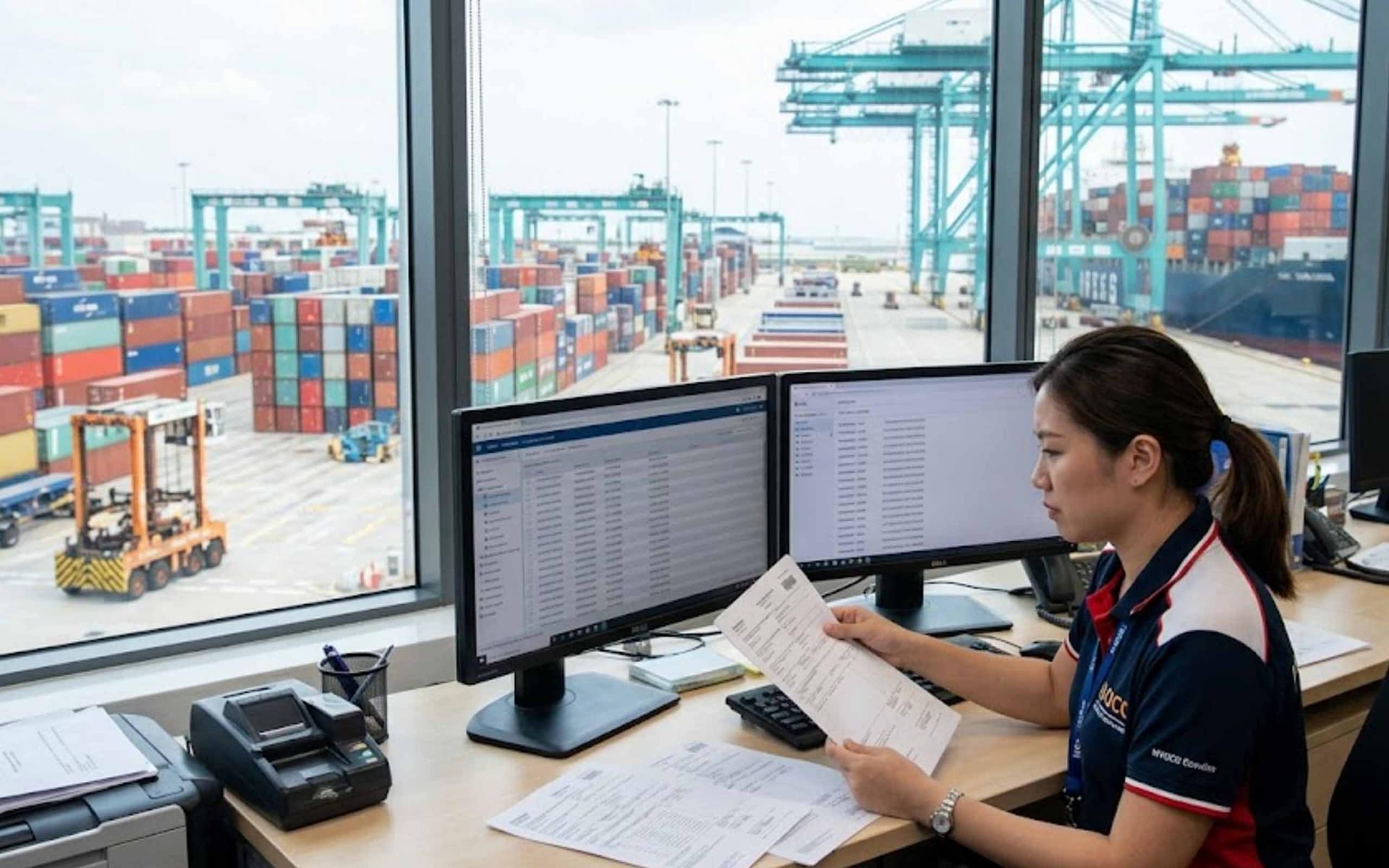
AMS is the pre-arrival reporting system for cargo entering the US. The purpose is simple: security screening before the freight moves too far. US customs authorities use the manifest data to decide if a shipment looks clear, questionable or too risky to load.
- For ocean freight, the filing window is early. The 24-hour rule requires the manifest data at least 24 hours before the cargo is loaded at the foreign port.
- For air freight, the window is four hours before arrival.
For a simple shipment, that may sound straightforward. For a consolidation, it gets more interesting.
The ocean carrier files the Master Bill for the container. The NVOCC files the House Bills for the shipments inside that container. Those records have to match.
That means customs needs the core shipment details:
- Shipper and consignee names and addresses
- Notify party
- Standard Carrier Alpha Code (SCAC)
- Container number and check digit
- Seal number
- Port routing
- Specific cargo description
- Weight and piece count
None of these details lives in isolation. The House Bills have to align with the Master Bill. The container has to match the carrier’s filing. The cargo description has to be specific enough to support screening. The weights and piece counts have to match the commercial documents.
Customs validates the filing against that bigger picture.
If the House Bill count doesn’t match the master, there’s a problem. If the container number isn’t on the carrier’s manifest, there’s a problem. If the description says “merchandise,” there’s probably a problem.
The response comes back as a release, exam or Do Not Load.
That last one is the painful one. A Do Not Load means the cargo doesn’t make the vessel. The customer waits. The team scrambles to fix the filing. And the error becomes part of the compliance history customs authorities may consider the next time they screen your freight.
‣ See how IATA ONE Record is replacing static copies with a single shared record
What ACI eManifest Requires for Canada-Bound Cargo
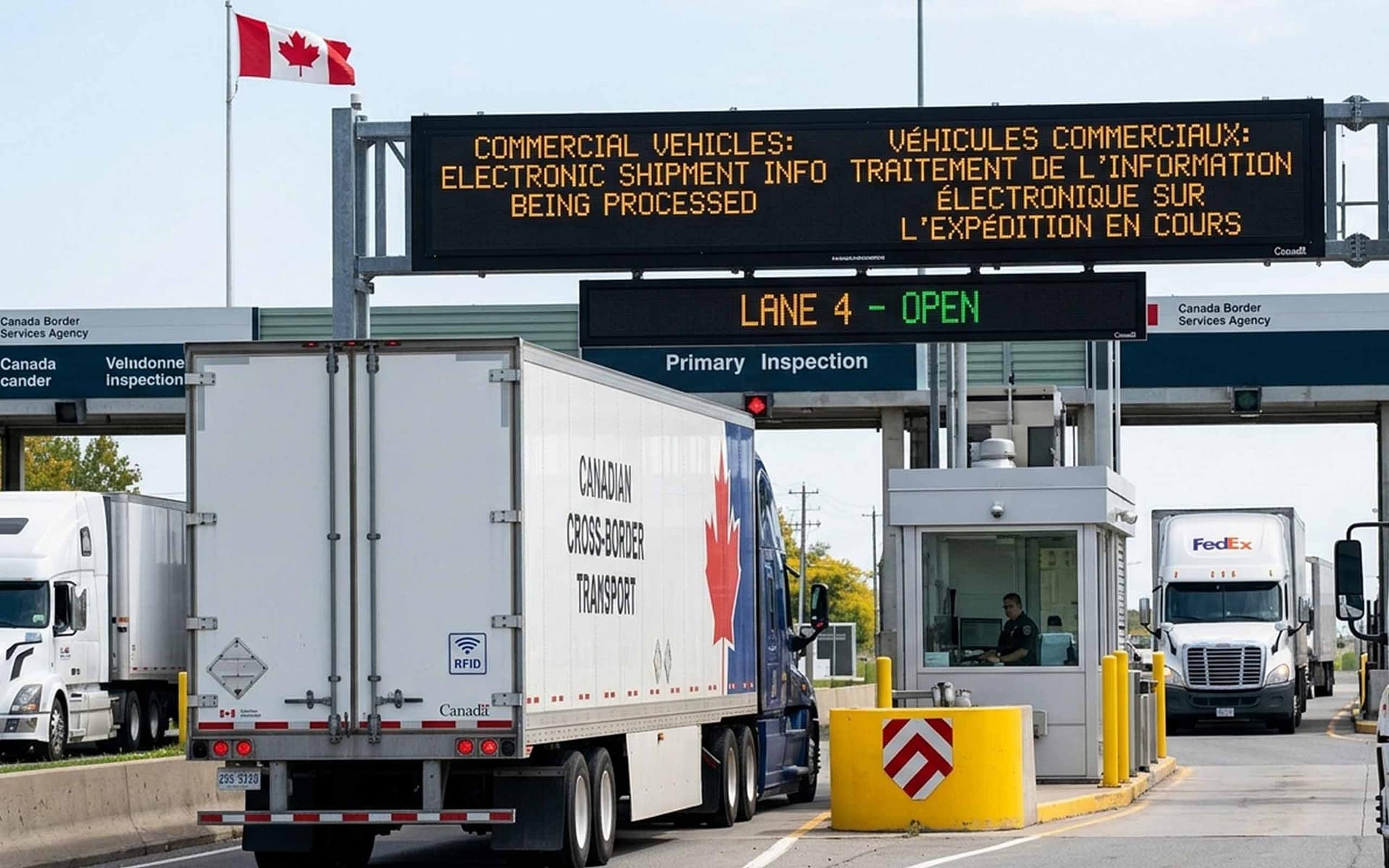
ACI eManifest is Canada’s pre-arrival reporting system for cargo entering Canada. The idea is familiar: send the shipment data before the freight arrives, let customs assess the risk, then get a response before the cargo moves into the next step.
So yes, it looks a lot like AMS. But don’t treat it as the Canadian version of the same workflow.
The timing rules are different. The response language is different. And for consolidated ocean freight, ACI adds a few extra steps that can hold the entire shipment if they’re missed.
ACI eManifest applies across modes. For ocean freight, the timing matches the U.S. rule: the data is due 24 hours before loading. For highway freight, carriers must file at least one hour before reaching the Canadian border.
Canadian customs authorities can respond with Release Prior to Arrival, exam or hold.
For consolidated ocean freight, the structure starts in a familiar place. The carrier submits the Cargo Control Document. The NVOCC submits the House Bills for the individual shipments inside the consolidation.
But Canada adds two operational dependencies that matter a lot in the real workflow: Canadian sublocation codes and the Close Message. Those are the details that make ACI more than a copy of AMS.
AMS and ACI eManifest Fail Differently, But the Root Cause Is the Same

AMS and ACI eManifest are built around the same basic idea: customs wants shipment data before the freight arrives.
But the workflows are not identical. Here’s the simple comparison:
|
Requirement |
AMS |
ACI eManifest |
|
Customs authority |
US customs |
Canadian customs |
|
Applies to |
US-bound cargo |
Canada-bound cargo |
|
Ocean filing window |
24 hours before loading |
24 hours before loading |
|
Highway filing window |
Not applicable |
1 hour before border arrival |
|
Consolidated ocean freight |
House Bills must match the Master Bill |
House Bills must match the Cargo Control Document, then the Close Message must be sent |
|
Location requirement |
No Canadian sublocation code |
Canadian sublocation code may be required |
|
Response types |
Release, Exam, Do Not Load |
Release Prior to Arrival, Exam, Hold |
The important difference is the workflow. AMS is mostly about making sure the House Bills align with the Master Bill before the freight is loaded.
ACI requires that same basic alignment, but adds more sequencing logic for consolidated freight. A child House Bill has to be accepted. The sublocation code has to be right. The Close Message has to go out after all child House Bills are accepted.
Miss one step and the process stalls. That’s why ACI errors often feel different from AMS errors. The data may be mostly correct, but the workflow still isn’t complete.
For forwarders and NVOCCs, that distinction matters. The filing system can’t just store the right fields. It has to track the right sequence. But underneath both programs, the bigger issue is the same: the filing record has to stay aligned with the live shipment record.
When those two records drift apart, AMS and ACI problems start before the cargo ever reaches customs.
Why Customs Filings Fail
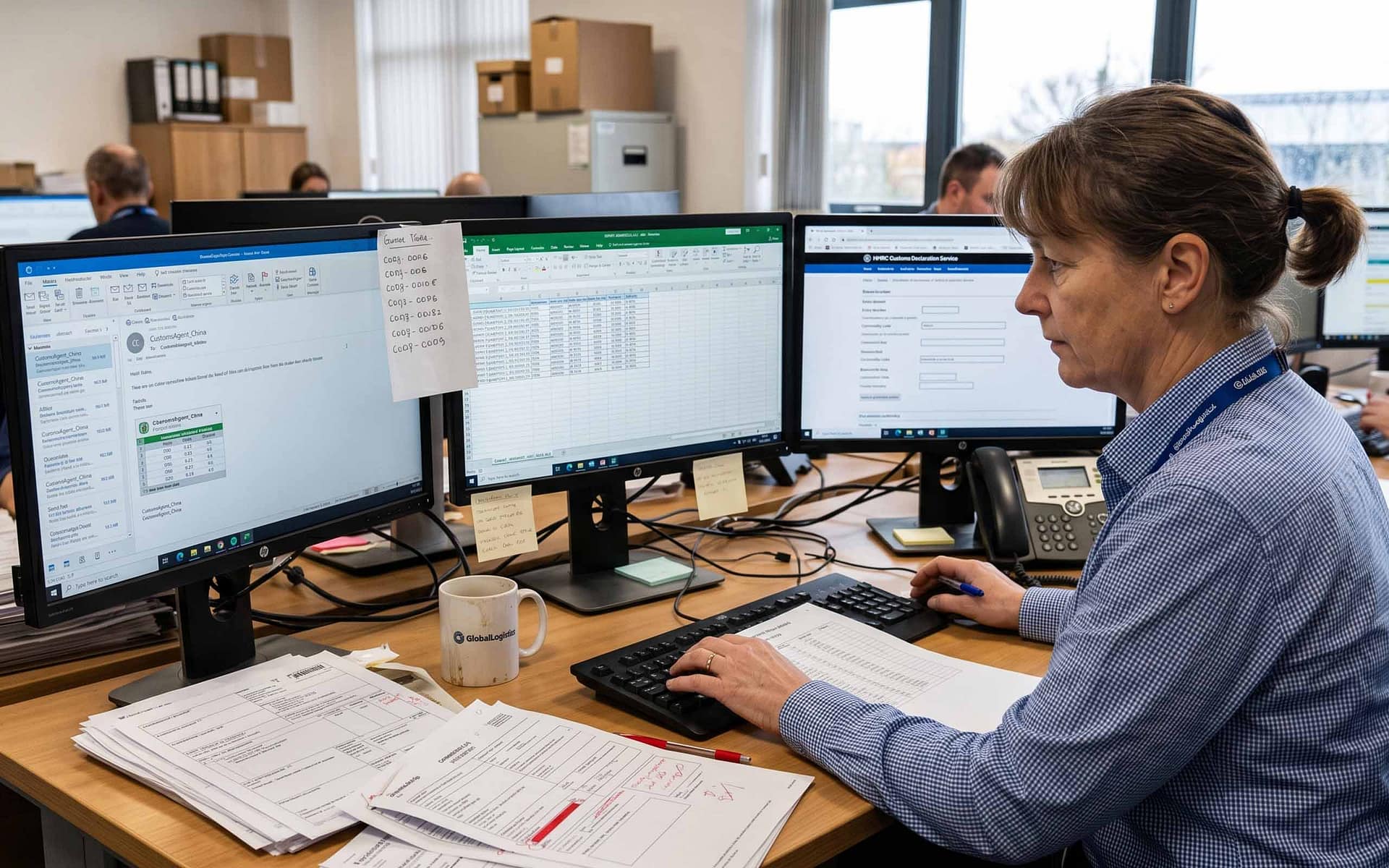
It’s easy to blame the typo. Wrong container number. Old SCAC code. Generic cargo description. Missing House Bill. Those are real problems. But they’re usually not the root cause.
They’re symptoms of a workflow where the same shipment data lives in too many places.
Here’s a typical NVOCC workflow:
- The customer order is in the TMS. The booking confirmation is in a shared drive. The carrier work order is in another platform. The House Bill details are pulled from the booking, then typed or copied into a customs filing tool.
- By the time the AMS or ACI filing goes out, the same container number may have passed through four systems and three people.
That’s the risk. The team isn’t careless. It’s just that disconnected systems make consistency hard, especially when the shipment is changing and the filing window is closing.
Here’s what that looks like in practice:
- Wrong Container Number: The carrier substitutes a unit at the port. Operations updates the TMS, but the customs filing was already queued with the old number. Customs flags the mismatch.
- Incorrect SCAC Code: The filing uses a legacy carrier code from an old template. Customs can’t match the House Bill to the carrier’s manifest.
- Vague Cargo Description: Someone writes “merchandise.” Customs targeting systems don’t get enough detail, so the shipment is flagged for exam.
- House Bill Count Mismatch: The NVOCC files 12 House Bills. The master shows 13. One child shipment is missing, so customs holds the consolidation.
None of these failures starts at the border.
They start earlier, when the shipment record and the filing record stop being the same record. That’s the problem with fragmented customs filing. Every handoff creates another chance for the filing to drift away from the freight.
The Core Fix: Generate the Filing from the Live TMS Record
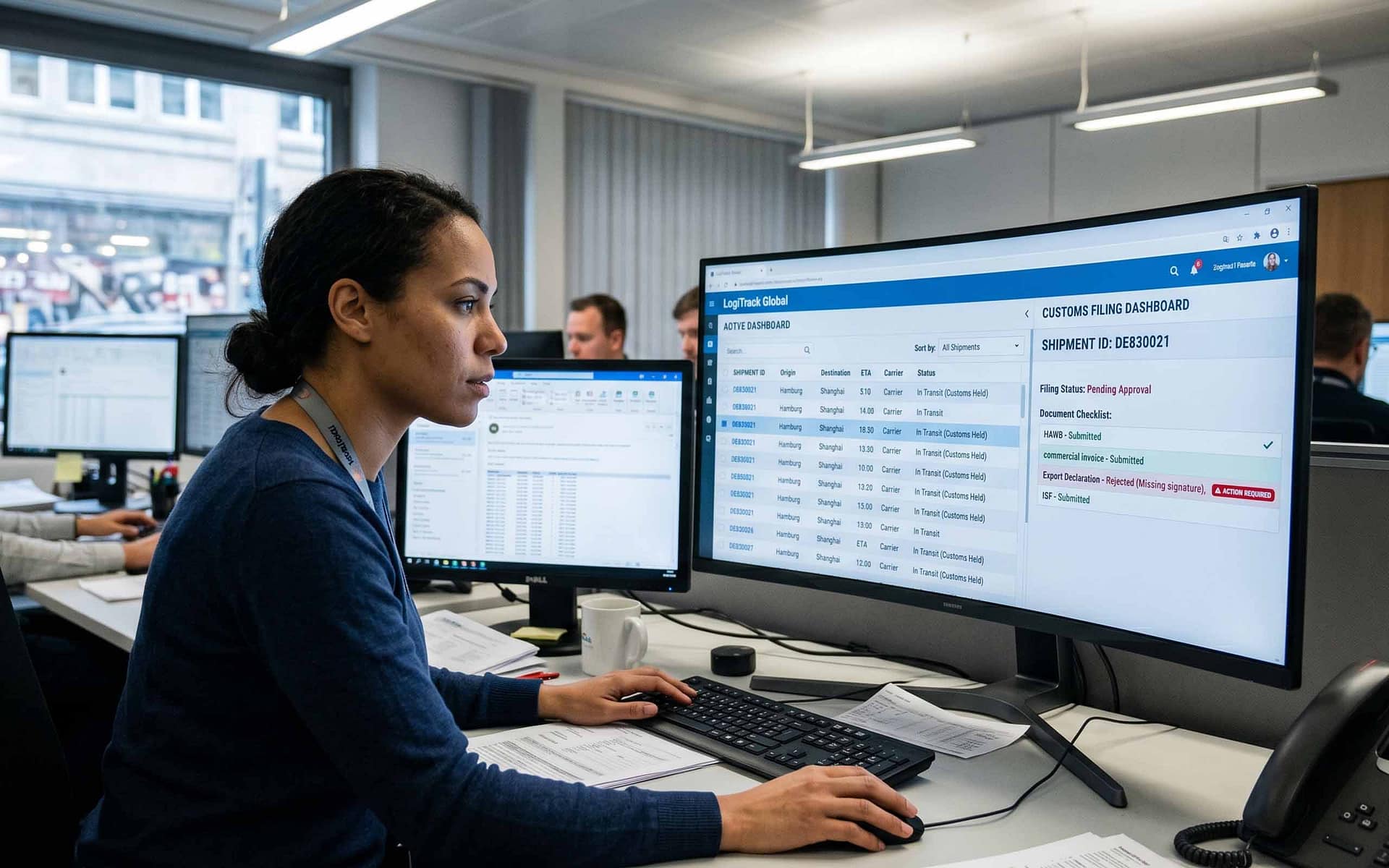
Your TMS already knows most of what customs needs. The shipper. The consignee. The notify party. That data is already part of the shipment record. It’s already being updated by operations. It’s already being checked against the booking, the House Bill and the commercial documents.
So why rebuild it somewhere else? That’s the best way to think about AMS and ACI eManifest integration. The filing shouldn’t be a separate workflow but an output of the live shipment record.
Just like a TMS can generate a Bill of Lading, it should be able to generate the customs filing from the data already inside the shipment.
That changes the job.
The team is no longer copying shipment data into a separate customs tool. They’re maintaining one operational record, then using that record to create the filing. The SCAC comes from the carrier record. The container number comes from the equipment record. The cargo description comes from the order. The House Bill data comes from the shipment.
And when the shipment changes, the filing can change with it.
If the carrier swaps the container, the update starts in the same place operations already works. If customs sends back a rejection or hold, that response comes back into the same workflow. If someone asks later what was filed, amended or accepted, the history is attached to the shipment.
This is the model behind integrated systems like Neurored TMS & SCM: shipment execution, carrier data, documentation, and compliance workflows can all live in one environment.
Customs documentation doesn’t have to be rebuilt from scratch in a separate tool. It can be generated from the same shipment record the team already uses to manage the move.
That gives logistics teams three practical benefits:
- Cleaner data before the filing goes out
- Customs responses inside the shipment workflow
- An audit trail attached to the shipment record
‣ Get the full picture of what a modern TMS should do beyond customs with our list of 43 essential features of a modern TMS
What AMS and ACI Integration Fixes in Day-to-Day Operations
Most AMS and ACI eManifest problems start inside the shipment workflow. The shipment changes, but the filing doesn’t. A container number gets updated in one system but copied from another. A House Bill is accepted, but nobody sends the Close Message.
That’s why AMS and ACI integration matters. It keeps customs data, shipment data, customs responses, and compliance history tied to the same operational record.
1. Duplicate Data Entry Across Disconnected Systems
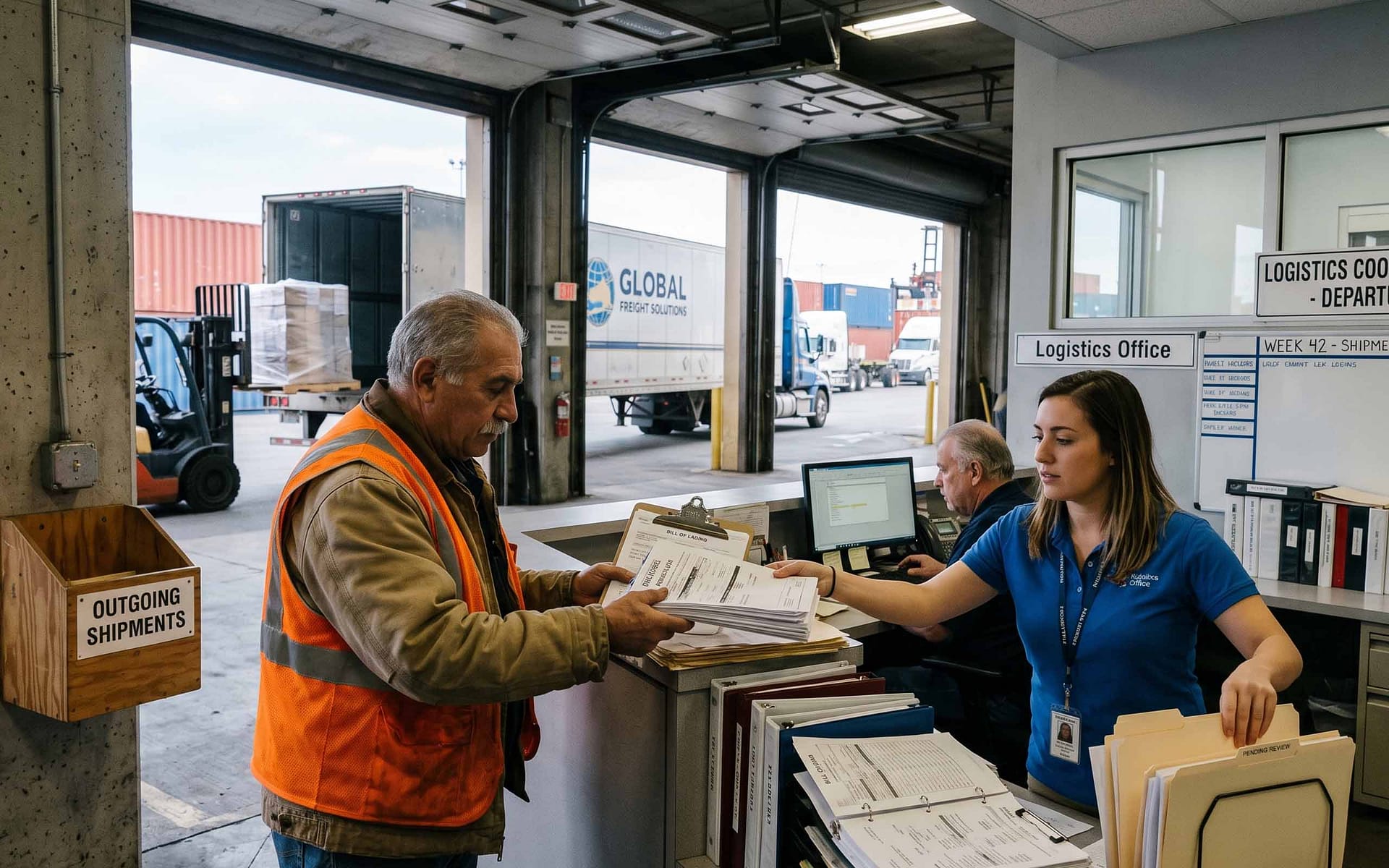
The first problem integration fixes is duplicate entry.
In a typical freight forwarding or NVOCC workflow, the shipment record lives in the TMS. The booking confirmation may live in a shared drive. Carrier updates may arrive by email or through a carrier platform. The customs filing then happens in a separate tool.
That means the same data gets entered, copied, or checked multiple times. The shipper. The consignee. The carrier code. The container number. Every copy creates another chance for the filing to drift away from the shipment.
If the carrier swaps a container and the transportation management system is updated, but the customs filing tool still has the original number, the filing is already wrong. Nobody has made a regulatory mistake yet. The workflow has simply allowed two versions of the shipment to exist.
AMS and ACI integration fixes this by generating the filing from the live shipment record.
The customs filing becomes a structured output of the same data the operations team is already maintaining. The carrier code comes from the carrier record. The container number comes from the equipment record. The cargo description comes from the order or shipment details.
The system running the shipment can also produce the customs documentation. That’s the principle behind Neurored TMS & SCM. The shipment record, carrier data, transport documents, and compliance workflow can live in the same environment, so customs documents are generated from data the team is already maintaining instead of rebuilt from scratch in a separate tool.
2. Bad Data Reaching Customs Before Anyone Catches It
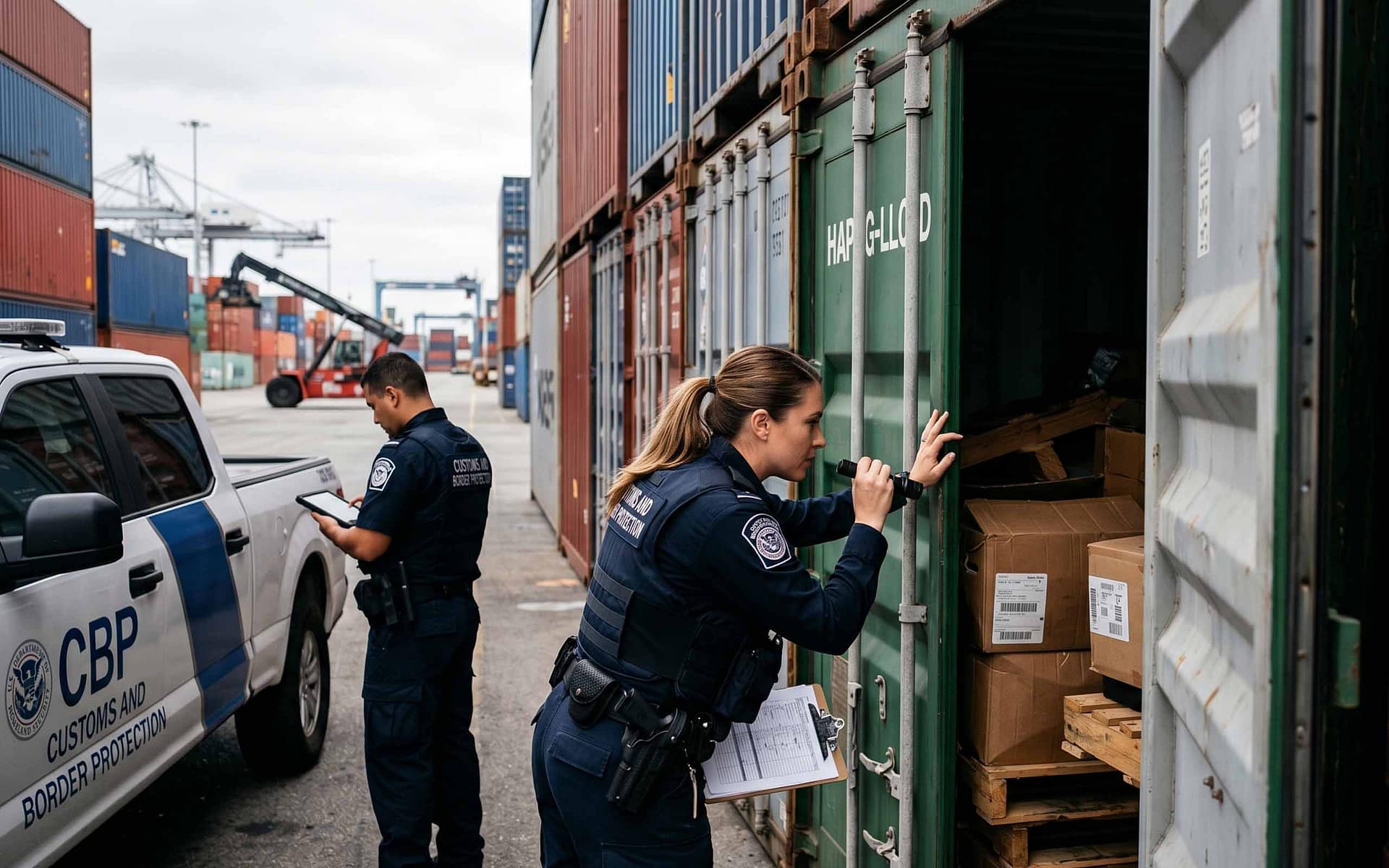
The second problem integration fixes is bad data leaving the business before anyone catches it. In a disconnected workflow, quality control often happens too late. The filing is submitted, customs reject it, and the team finds out when the clock is already running.
That’s the worst possible validation process. An integrated workflow gives the system a chance to catch obvious problems before the filing is transmitted.
A container number is a good example. ISO container numbers follow a defined structure: four letters, six digits, and a check digit calculated from the characters before it. If the container number does not pass that check, the system can flag it before submission.
The same logic applies to the rest of the filing. You can check carrier codes against the carrier record. You can check the party fields for missing names or addresses.
The value here is timing. A data issue found while the shipment is still being worked is fixable. A data issue found after customs rejects the filing is already a delay risk.
3. Customs Responses Sitting Outside the Shipment Workflow

The third problem integration fixes is customs responses sitting outside the operational workflow. AMS and ACI eManifest aren’t one-way submissions. You transmit the filing, customs processes it, and a response comes back. That response matters.
In a disconnected workflow, someone has to monitor a customs portal, read the response, update the TMS, notify the right people, and make sure no one keeps moving the shipment as if it had cleared. That’s a fragile process.
If five consolidations are active at once, a response can sit unread. If the response is a rejection, that lost time matters. If the response is a hold, the team may continue planning work that should be paused.
AMS and ACI integration fixes this by turning customs responses into shipment events.
A rejection can create a task for the filing team. A hold can block the next operational step. A release can clear the shipment for the next workflow stage. The response is no longer trapped in a separate customs environment. It becomes part of the shipment record.
In Neurored TMS & SCM, customs-related documentation, compliance steps, and customs procedure status can be connected to the shipment workflow, so operations teams do not have to manage freight execution and customs visibility in separate silos. Customs updates can become part of the same operational timeline teams use to manage shipment status, exceptions, documents, and stakeholder communication.
4. Missed Close Messages and Other Sequencing Failures
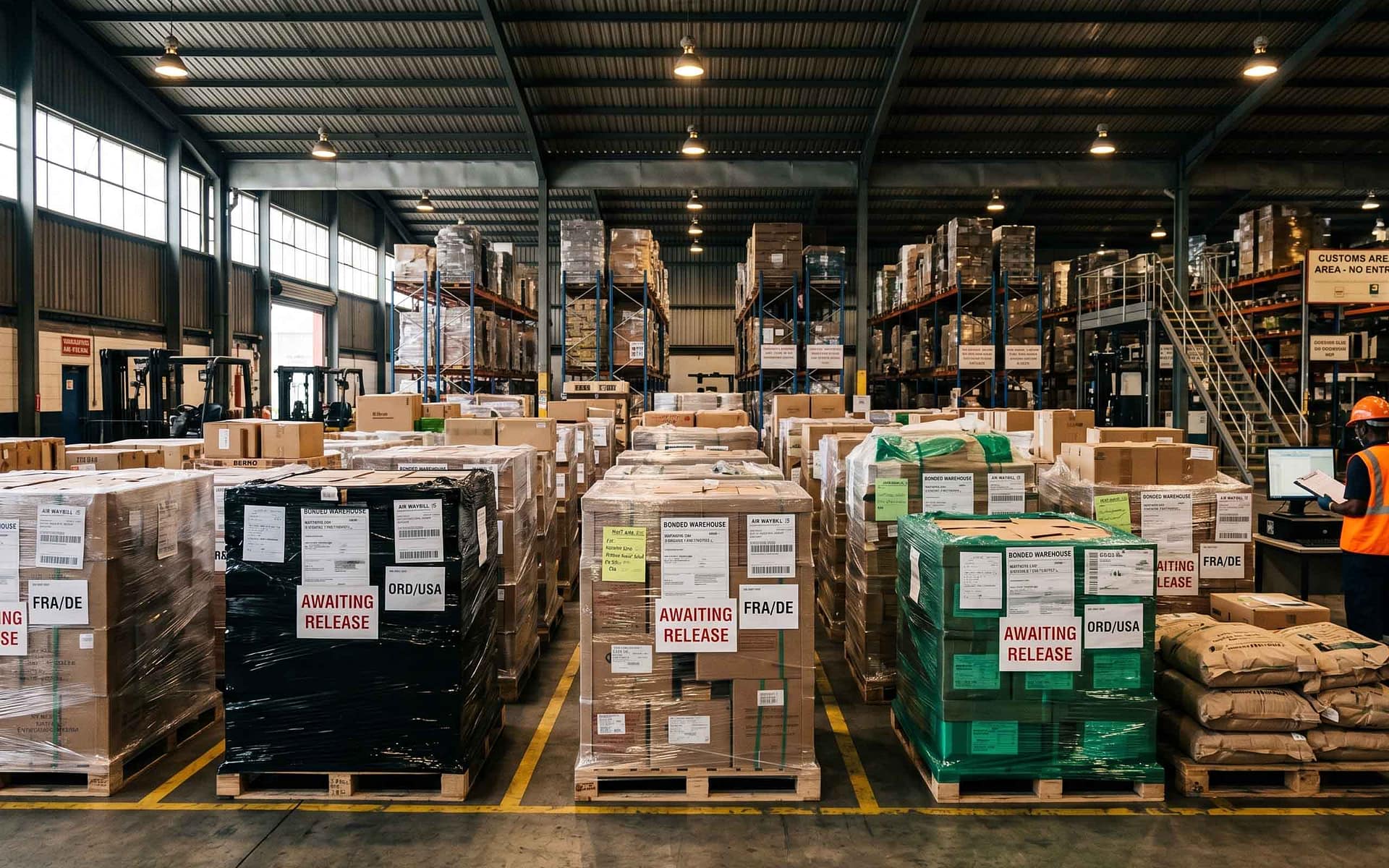
The fourth problem integration fixes is missed sequencing. This matters especially for ACI eManifest and consolidated ocean freight.
For Canada-bound consolidated freight, submitting the individual House Bills is not the end of the process. The Close Message still has to be sent after all child House Bills have been accepted. That message links the Cargo Control Document to the child House Bills and confirms the deconsolidation is complete.
If the Close Message is missed, the consolidation can wait even if the individual House Bills were accepted. That’s a sequencing problem. The filing process depends on a condition: all child House Bills must be accepted before the Close Message goes out.
In a manual workflow, someone has to check the status of each House Bill, confirm that all are accepted, and then trigger the Close Message. On a busy day, with several consolidations moving at once, that is exactly the kind of step that gets missed.
Integration fixes this by allowing the system to track the condition and trigger the next step.
When all child House Bills under the Cargo Control Document reach accepted status, the Close Message can be sent automatically or surfaced as an immediate task. The team does not have to remember the dependency. The workflow carries it.
5. Audit Trails Scattered Across Systems

The fifth problem integration fixes is a scattered audit trail.
Customs filings don’t disappear after the shipment moves. CBP and CBSA can review prior filings and ask what was submitted, when it was transmitted, what response came back, who changed the data, and what the business did next.
If the filing is in one portal, the shipment record is in another system, documents are in a shared drive, and customer updates are buried in email, reconstructing that timeline is slow and incomplete. The team has to piece the story together after the fact. Integration fixes this by keeping the filing history attached to the shipment.
The original filing, amendments, customs responses, status changes, document versions, and operational follow-up all sit against the same record. When someone needs to understand what happened, they are not searching across portals and inboxes.
They’re reading the shipment timeline. There’s also a management benefit.
Once filing history lives in one place, the process becomes measurable. Rejection rates by carrier. Amendment frequency by trade lane. Time from rejection to resubmission. Common data fields causing holds or reviews. Those metrics become visible when customs filing is part of the transportation management workflow.
The Best Customs Filing Is Only as Clean as the Shipment Record
Customs makes decisions before the freight arrives. That decision is based on the data you send. If that data is clean, the shipment has a better chance of moving cleanly. If it’s inconsistent, incomplete or sitting in three different systems, the risk starts before anyone at the port sees the cargo. That’s the real issue.
Logistics teams struggle with AMS and ACI eManifest because the filing workflow is often disconnected from the shipment workflow. The fix is one live shipment record.
Generate the filing from the same data operations team already trusts. Validate it before it leaves the system. Bring customs responses back into the workflow. Keep the audit trail attached to the shipment.
That’s where Neurored TMS & SCM fits: helping logistics teams manage shipment execution, documentation, and trade compliance workflows in one connected environment. To see how documentation, compliance, and shipment execution can work from one live shipment record, schedule a demo of Neurored TMS & SCM.
Schedule your demo today!

Ricardo Medem
Share Article



Let's Get Started
Schedule a Demo Now